
Holiday on August 15, 2026 — World Honeybee Day
Every year on the third Saturday in August, World Honey Bee Day is celebrated. In 2026, it falls on August 15. This day is dedicated not only to the bees themselves but also to beekeepers, who care for the hives and help maintain healthy bee colonies. The holiday originated in the United States, but people from various countries eventually began to join in the celebration.
The date of this holiday changes every year, as it is observed not on a specific date but on the third Saturday in August. In 2026, World Honey Bee Day falls on August 15. Next year, the date will be different.
The holiday has American origins. In the U.S., it was originally called National Honey Bee Awareness Day, and later—National Honey Bee Day. Today, international calendars list it as World Honey Bee Day. At the same time, the U.S. still uses the old name.

This day was established as an awareness event. Its purpose is to explain to people just how important honey bees are for nature, agriculture, and our daily lives. Beekeepers are also honored separately, as caring for bees requires knowledge, time, and constant effort.
How the Holiday Came to Be
The history of World Honeybee Day began in 2009 in the United States. It was initiated by a small group of beekeepers who wanted to draw more attention to honeybees and beekeeping. They appealed to the U.S. Department of Agriculture to officially designate a special day. As a result, the first such event took place in 2009.

The first Honey Bee Day was held on August 22, 2009. At that time, it fell on the fourth Saturday in August. However, starting in 2010, the date was set for the third Saturday of the month.

In 2010, the nonprofit organization Pennsylvania Apiculture Inc. was founded to develop and promote the initiative. Its purpose was to help beekeepers, clubs, and other participants organize events for this day. Gradually, the event spread beyond the American beekeeping community and began to attract attention from people in other countries. So today, it’s no longer just an occasion to talk about honey. It’s a day to reflect on the role of bees in nature, the importance of plant pollination, and the need to care for the health of bee colonies.
Why Honeybees Are So Important
Bees are essential to humans not only because they produce honey. One of their most important functions is pollinating plants. When a bee flies from flower to flower in search of nectar and pollen, it carries pollen and helps plants produce fruit and seeds. Thanks to pollination, we get many familiar foods. These include apples, almonds, strawberries, plums, peaches, pumpkins, berries, and other crops. According to experts at UC Agriculture and Natural Resources, about one-third of the foods we eat come from crops pollinated by honeybees.

Therefore, a decline in the number of healthy bee colonies can affect more than just beekeepers. It impacts agriculture, food security, and the health of ecosystems as a whole. At the same time, honeybees are just one part of the vast world of pollinators. Wild bees, bumblebees, butterflies, and other insects also play a vital role. That’s why protecting the environment where pollinators live and feed is important for all of nature.
What This Day Teaches Us
World Honeybee Day is a good opportunity to look at the common honeybee in a slightly different light. For many people, the honeybee is primarily associated with honey or its sting. But in reality, it is a complex social insect that lives in a large colony and has a clear division of labor. Within a bee colony, different individuals perform different functions. Worker bees collect nectar and pollen, care for the brood, maintain order in the hive, and carry out other tasks. The queen lays eggs, and drones participate in reproduction.

Interestingly, bees can communicate information to one another about where food is located. To do this, they use specific movements often referred to as the “bee dance.” Based on the direction and other characteristics of these movements, other bees can gather information about the food source. Another interesting fact is that the honey we buy at a store or a fair can vary greatly in taste and aroma. Its properties are influenced by the plants from which the bees collected nectar. That is why there are, for example, acacia, linden, buckwheat, sunflower, and other types of honey.
How Honeybee Day Is Celebrated
On this day, beekeepers, beekeeping clubs, environmental organizations, and nature lovers hold various themed events. These can include lectures, meetings with beekeepers, tours of apiaries, educational activities for children, and awareness campaigns. One of the easiest ways to get involved is to support a local beekeeper. For example, you can buy honey from a trusted producer, learn more about beekeeping, or visit a local apiary. This is how people support those who care for bee colonies every day.
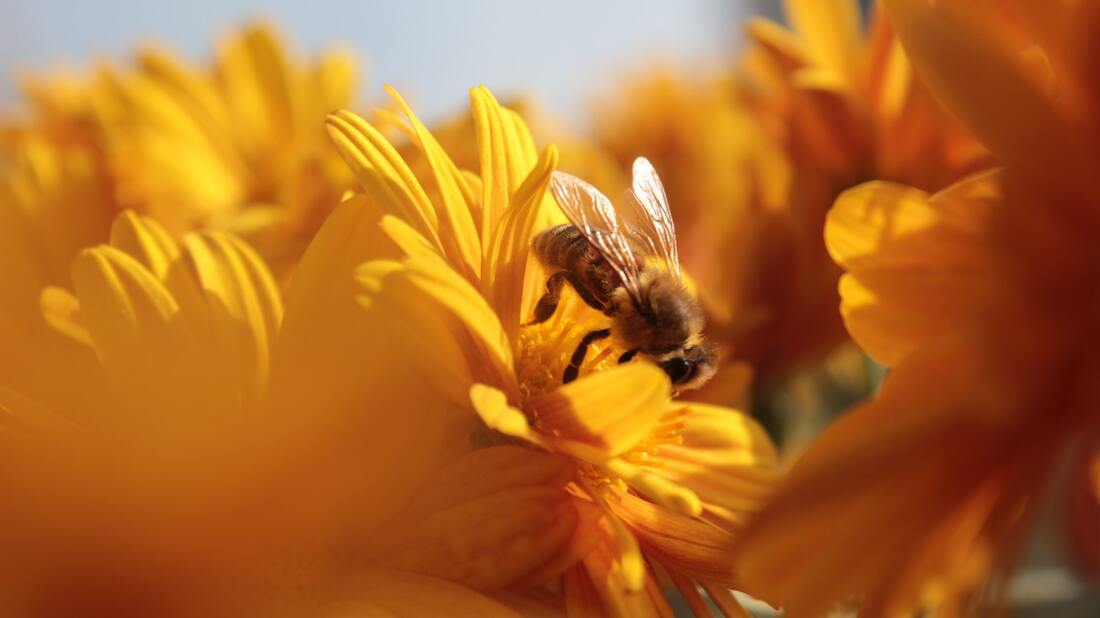
Another tradition is to plant flowers and herbs that attract pollinators. To do this, you can plant nectar-rich flowers and herbs in your yard, at your summer cottage, or on your balcony. Popular plants include lavender, clover, sunflowers, and other flowering plants. You can also simply learn more about bees on this day. For children, it’s a great opportunity to hold a themed lesson or workshop, and for adults—to learn how an apiary works and why bees need protection.
How to Help Bees in Everyday Life
You can help bees not just on August 15. Even a small patch of flowers can serve as a food source for insects. If possible, plant species that bloom at different times so that pollinators have a food supply over a longer period. It’s also important to be cautious about using chemicals in your garden and vegetable patch. Pesticides can harm not only pests but also beneficial insects. Therefore, before using any products, be sure to read the instructions and follow safety guidelines.
You can also place a shallow container of water with pebbles or other objects for the insects to land on. This helps them drink water without the risk of drowning. It’s also important not to try to catch or swat a bee if it accidentally flies nearby. If a bee flies close to you, it’s best not to make any sudden movements. You should calmly step away or let the insect fly on.
Interesting Facts About World Honeybee Day
- The holiday originated in the United States in 2009 at the initiative of beekeepers.
- The first celebration took place on August 22, 2009.
- Since 2010, World Honeybee Day has been observed on the third Saturday in August.
- In 2026, the holiday falls on August 15.
- Initially, the event was called National Honey Bee Awareness Day, and later became known as National Honey Bee Day.
- The holiday is dedicated not only to bees, but also to beekeepers and beekeeping.
- Bees are important primarily for pollinating plants, not just for producing honey.
- The taste and aroma of honey depend, in particular, on the plants from which the bees collected nectar.
- Bees can communicate the location of food sources to other members of the colony through specific movements.
Why Honeybee Day Is Important
This holiday reminds us of these tiny insects, whose work has a huge impact on the world around us. Bees help plants reproduce, support biodiversity, and contribute to the production of many foods that end up on our tables every day. But just as important are the people who work with bees. Beekeepers monitor the condition of the hives, care for the bee colonies, and help maintain their health. That’s why this day is an opportunity to thank not only nature but also those who work alongside it every day.

On August 15, you can simply buy a jar of local honey, plant flowers for pollinators, or learn more about bees. At first glance, these may seem like small things, but it is precisely these simple actions that lead to a more mindful attitude toward nature.




