
September 15 Holiday: The story of Greenpeace began with a perilous journey to Alaska
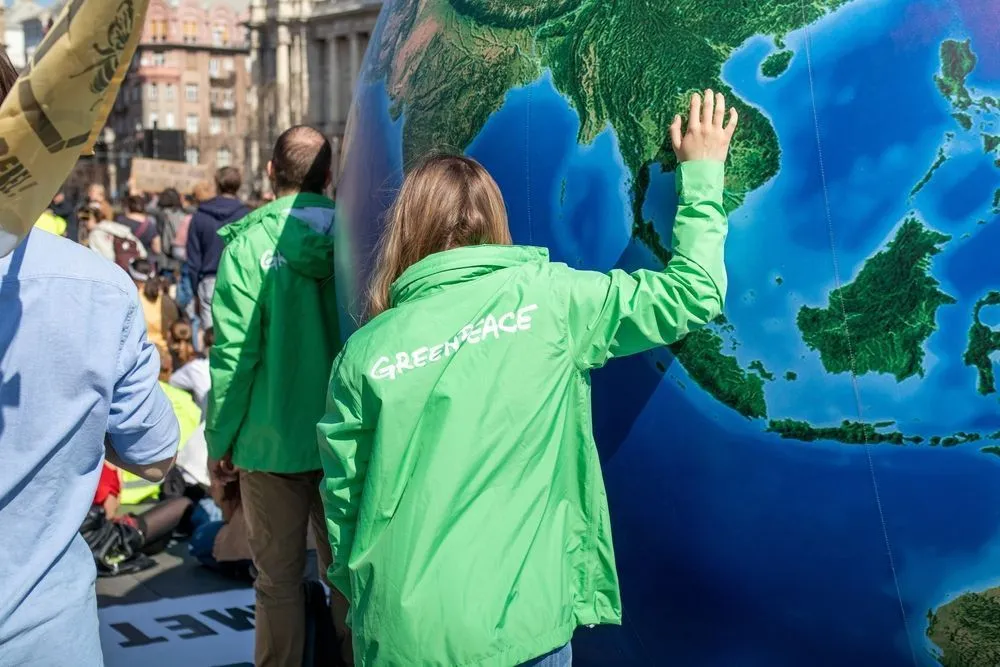
September 15 marks Greenpeace’s birthday—a date associated with the organization’s first expedition in 1971. At that time, a small group of activists set out from Vancouver to Amchitka Island near Alaska to protest U.S. nuclear testing. Their boat never reached the test site, but the trip attracted enormous attention and marked the beginning of the international environmental movement.
Greenpeace’s birthday is September 15. It was on this day in 1971 that a ship set sail from Vancouver, Canada, with the goal of stopping U.S. nuclear tests on Amchitka Island in the Aleutian Archipelago. There were 12 people on board—activists, journalists, a photographer, and other campaign participants.

Formally, the history of Greenpeace began even earlier. In 1970, the “Don’t Make A Wave Committee” was formed in Canada to oppose U.S. plans to conduct a new nuclear test on Amchitka. It was this group that later became the foundation for Greenpeace. That is why September 15 is considered the organization’s symbolic birthday, as that was when its first well-known action began. The idea was quite simple, but bold for its time: the activists wanted to physically sail to the test site and, by their presence, demonstrate their opposition to nuclear weapons. They used peaceful protest and sought to draw attention not through force, but through public visibility. This approach later became one of Greenpeace’s defining characteristics.
How the Name “Greenpeace” Came About
The organization’s name also has an interesting history. During one of the activists’ meetings, the word “Peace” was mentioned. Canadian environmentalist Bill Darnell suggested turning it into “Green Peace,” meaning “green peace.” The idea combined two of the movement’s main themes at once—environmental protection and the fight for peace. Eventually, the two words were merged into one—Greenpeace. According to the recollections of movement participants, the name even had to be shortened so it would fit on a badge. Thus, the name of a single protest campaign gradually evolved into the name of an organization that is now known throughout the world.

Interestingly, at first the activists didn’t even plan to create a global organization. Their specific goal was to stop nuclear testing. None of the participants on that first voyage could have known that it would mark the beginning of a movement that, decades later, would be active in dozens of countries.
Greenpeace’s First Expedition
On September 15, 1971, the old fishing boat Phyllis Cormack left the port of Vancouver. For the expedition, it was renamed Greenpeace. On board were activists heading for Amchitka Island, where the U.S. planned to conduct an underground nuclear test. The journey was not easy. An autumn crossing of the Gulf of Alaska was considered dangerous, and the boat itself was not a modern expedition vessel. The participants had to contend with bad weather, logistical problems, and internal conflicts within the crew. Moreover, the activists had no guarantee that they would even be able to reach the restricted area.
In the end, they never made it to Amchitka. The U.S. Coast Guard intercepted the vessel before the crew could even reach the test site. The participants themselves initially considered the expedition a failure, since they had not achieved their main goal—to physically stop the tests. But this is where the Greenpeace story took an unexpected turn. The media wrote extensively about the small boat and the people who set out to protest the nuclear tests. The action drew public attention to the issue, and the very idea of peaceful protest became known far beyond Canada’s borders. Greenpeace later cited this approach as one of the first examples of how a high-profile action and media coverage can strengthen a social movement.
How the fight against nuclear testing ended
The first test that the activists opposed did take place. However, the campaign did not fade away after the boat returned. Strong public pressure built up around it, and the issue of nuclear testing took center stage. In 1972, the U.S. halted its nuclear testing program at Amchitka. Greenpeace attributes this to the pressure that arose following the first expedition and the widespread public campaign. The island itself was later designated a nature reserve and became an important site for wildlife conservation.
Thus, the first action taught activists an important lesson: even if a protest does not achieve its goal directly, it can shift public opinion and generate political pressure. Greenpeace has applied this very principle in its subsequent campaigns.
What Greenpeace Stands For
Today, Greenpeace addresses a much broader range of issues than just nuclear testing. The organization campaigns against environmental pollution, protects forests, oceans, and wildlife, and advocates for combating climate change and developing clean energy. Other key areas of focus include toxic waste, industrial pollution, and biodiversity conservation.
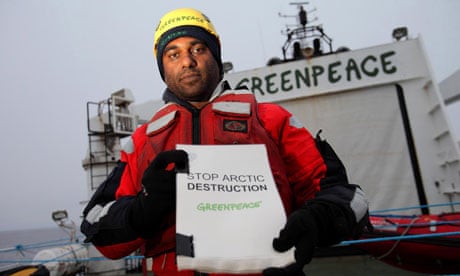
At the same time, Greenpeace does not rely solely on conventional appeals to the authorities. The organization is known for high-profile peaceful actions, protests, investigations, and direct campaigns against companies or government decisions that activists consider harmful to the environment. One of Greenpeace’s principles is nonviolence. The organization itself notes that protest participants undergo training in nonviolent protest methods. Their goal is to draw attention to an issue, demonstrate its scale, and bring about change without resorting to violence.
Why Greenpeace Does Not Accept Money from Governments and Corporations
Independence from political and corporate power is one of Greenpeace’s key principles. The organization states that it does not accept funding from governments, corporations, or political parties. Its funding comes primarily from donations by ordinary people, as well as grants from independent private foundations that comply with the organization’s rules. Greenpeace explains this as a desire to remain independent in its work. If the organization were to receive significant funding from a company it criticizes for pollution, this could call its position into question. Therefore, large private donations are also vetted to ensure they do not create a conflict of interest.

This approach has been part of the Greenpeace brand from the very beginning. The organization wants to be able to speak out against governments, large corporations, and other influential entities if it considers their actions harmful to nature. That is why financial independence for Greenpeace is not just a technical issue, but part of its core mission.
Greenpeace’s Most Famous Campaigns
Over more than half a century, Greenpeace has carried out hundreds of campaigns in various countries. The organization has spoken out against nuclear testing, ocean pollution, hazardous industrial waste, deforestation, and the destruction of natural habitats. Activists have also drawn attention to whaling and other issues related to animal protection. One of the most famous campaigns was the one against commercial whaling. Greenpeace activists took to the sea in small boats and tried to physically position themselves between the whales and the whaling harpoons. These images quickly made their way onto television and into newspapers around the world, bringing the issue to the attention of millions of people.
Another important part of Greenpeace’s history is the fight against the dumping of toxic waste into the ocean. The organization relied not only on protests but also on its own research, documentation of violations, and collaboration with journalists. This approach eventually became one of Greenpeace’s hallmarks: activists strive not just to highlight a problem but to demonstrate it through concrete examples.
Interesting Facts About Greenpeace
Greenpeace’s first boat was an ordinary fishing vessel. The Phyllis Cormack belonged to Captain John Cormack, who agreed to guide the team through dangerous waters to Amchitka. For this historic expedition, the ship was named Greenpeace.
Another interesting point is that the funds for the first expedition were not raised through major sponsors. To support the campaign, a charity concert was organized in Vancouver. Performers included Joni Mitchell, James Taylor, Phil Ochs, and the band Chilliwack. The event helped raise funds to charter the boat and carry out the expedition.
The first crew consisted of 12 people. Among them were activists, journalists, an engineer, a doctor, a photographer, and a captain. This mix of people was no accident: the participants understood that for the campaign to succeed, it was important not only to protest but also to tell the world what was happening.
It’s also interesting to note that the very first expedition was far from perfect. Conflicts arose on board, the team argued over what to do next, and the boat was eventually intercepted. However, it was precisely this imperfect journey that became a historic moment for Greenpeace. It showed that a small group of people could create a massive media impact.
How Greenpeace’s Birthday Is Celebrated
September 15 is not a national or official international holiday. It is rather a symbolic date for Greenpeace supporters and people interested in the history of the environmental movement. On this day, the organization and its regional offices may commemorate the first expedition, the founders, and the most significant campaigns in the movement’s history. Over the years, Greenpeace anniversaries have been marked by public events, exhibitions, lectures, film screenings, environmental actions, and campaigns for supporters. An important part of these events is raising awareness about specific environmental issues and the ways people can make a difference.
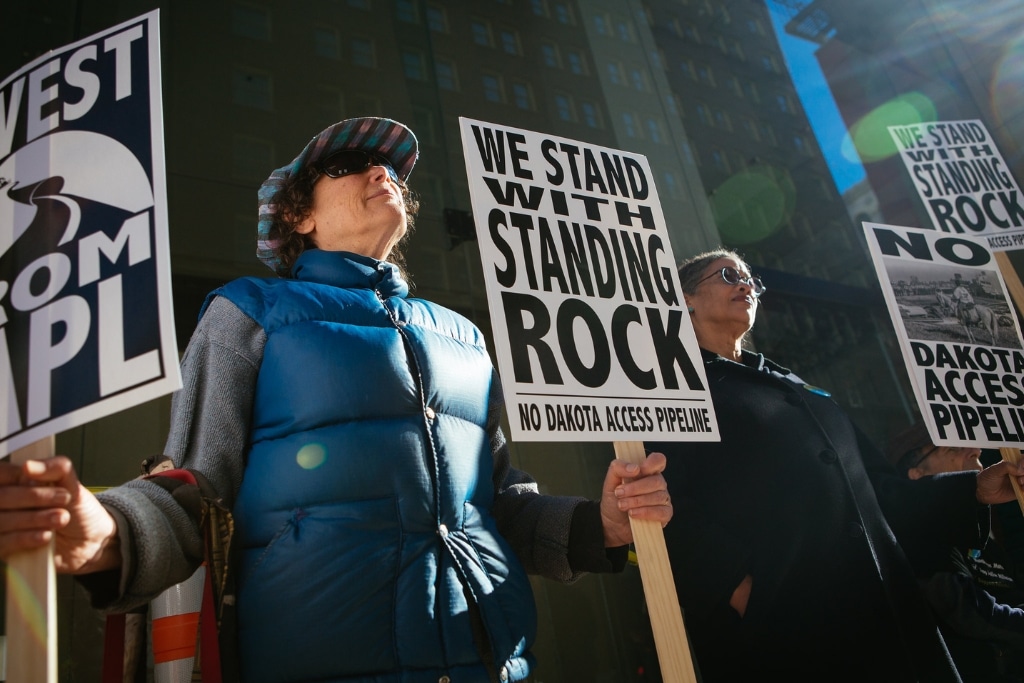
For the average person, marking this date is very simple. For example, you can join a cleanup of a park or a waterfront, avoid unnecessary single-use plastic, plant a tree, or support a local environmental initiative. The point of this day is not so much about celebration as it is about reminding us that protecting the environment consists of many daily decisions.
Greenpeace Today
Over the past 50 years, a small group of activists has grown into an international movement. Today, Greenpeace has a network of independent national and regional organizations in more than 55 countries, all working toward shared environmental and peace goals. At the same time, Greenpeace is not a single centralized structure in the traditional sense. Greenpeace International coordinates international efforts, while individual organizations in different countries have their own teams and campaigns. This model allows activists to respond to local issues while also conducting global campaigns.
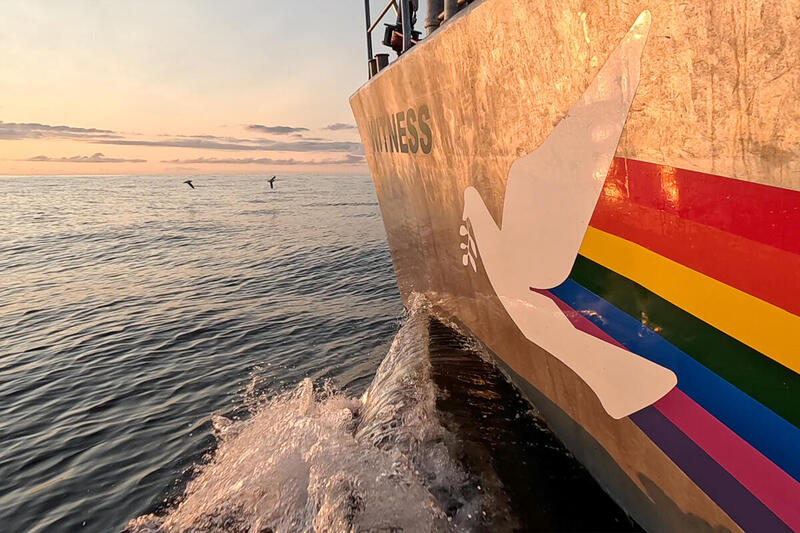
Greenpeace’s story began with a very specific situation—a few people decided to board an old fishing boat and set sail for a nuclear test site. They had no large organization behind them, no massive budget, and no guarantee of success. However, their action caught the world’s attention and sparked a movement that continues to work to protect the environment. That is why September 15 is not just a date on the calendar for Greenpeace, but a reminder of how it all began—with a few people, an old boat, and the idea that peaceful protest can change society’s attitude toward a major issue.


