
Holiday on September 16, 2026 — Martyrs' Day in Libya: Who Was Omar al-Mukhtar?
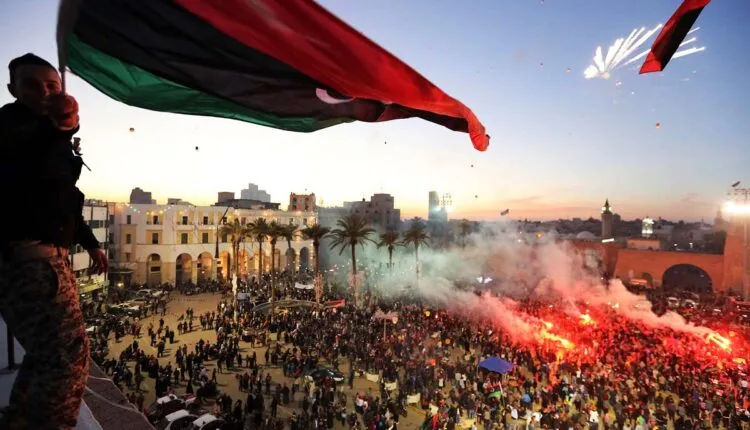
On September 16, Libya observes Martyrs’ Day—a national commemorative day dedicated to those who died fighting for the country’s freedom. The date is primarily associated with Omar al-Mukhtar—one of the most famous leaders of the Libyan resistance against Italian colonial rule, who was executed on September 16, 1931. Today, this day commemorates not only him but also other Libyans who died while fighting against colonial rule.
Martyrs’ Day in Libya is observed annually on September 16. It is an official holiday and a national day of remembrance. Its main symbol is Omar al-Mukhtar, who became one of the most famous heroes in Libyan history. It was on September 16, 1931, that he was executed by Italian colonial forces. Since then, the date has gradually become a symbol of remembrance for all Libyans who died in the struggle for independence and freedom.
Martyrs’ Day was officially established as a national holiday following the 2011 revolution. In January 2012, the National Transitional Council passed a law on national and religious holidays, designating September 16 as Martyrs’ Day. Since then, this date has been an official holiday every year. However, its significance is not limited to commemorating a single historical figure—in Libya, all those who died and are considered victims of the struggle for the country are remembered.
Who Was Omar al-Mukhtar
Omar al-Mukhtar was a religious leader and one of the principal leaders of the Libyan resistance against Italian colonization. Italy began its invasion of Libya in 1911, when the territory was still under the rule of the Ottoman Empire. Italian troops attempted to establish control over the country, while the local population put up resistance. Al-Mukhtar became one of the most famous commanders of this movement, particularly in the Cyrenaica region in eastern modern-day Libya.
He belonged to the Senussi movement—a religious and political organization that wielded significant influence in North Africa. By the time of the Italian invasion, al-Mukhtar already had experience fighting foreign troops. Later, he led the resistance against Italian forces and, for many years, commanded units that attacked the colonial army’s military positions. Because of this, the Italians considered him one of the main opponents of their rule in Libya. For his tenacity and ability to continue the fight despite the enemy’s superiority, Omar al-Mukhtar earned the nickname “The Lion of the Desert.” For many Libyans, he became a symbol of resistance and a man who refused to give up the fight even under extremely difficult conditions.
What Happened to Omar al-Mukhtar
In September 1931, Italian troops managed to capture al-Mukhtar. After his capture, he was taken to Benghazi, where he was tried by a military court. The trial took place on September 15, 1931, and the very next day, Omar al-Mukhtar was executed by hanging in Suluk, near Benghazi. He was about 70 years old.
According to historical sources, he was buried in an unmarked grave after his execution. The Italian authorities did not want to create a site that could become a symbol of resistance. The burial site remained unknown until 1941, when a person who had participated in the burial revealed its location. In 1960, after Libya had gained independence, al-Mukhtar’s remains were reburied with full state honors. Today, his name is well known far beyond Libya’s borders. Photographs of Omar al-Mukhtar have become one of the country’s most recognizable symbols, and his image is featured in monuments, museums, and other memorial sites. For Libyans, he has become not just a historical figure, but one of the main symbols of national resistance.
Why Is This Day Dedicated to More Than Just One Hero?
Although September 16 is directly linked to the execution of Omar al-Mukhtar, the name of the holiday refers to martyrs in the plural. On this day, Libya commemorates all those who died fighting for their country. The victims of Italian colonial rule hold a special place in the nation’s historical memory.

The struggle against Italy lasted for decades. During the so-called “pacification of Cyrenaica,” Italian forces employed harsh methods against the local population. People were forcibly displaced, held in camps, and many civilians died from starvation, disease, and violence. Researchers at the Libyan Heritage House estimate that approximately 110,000 people were forcibly placed in camps in the Libyan desert during the 1930s. Therefore, Martyrs’ Day holds more than just military or political significance for Libya. It is a day of remembrance for those who fell victim to colonial violence and the struggle for independence. In official statements, this date is associated with honor, freedom, and the memory of the fallen.
How Martyrs’ Day Is Observed
It is not a holiday marked by loud entertainment events. First and foremost, it is a day of remembrance, when official ceremonies are held across the country to honor the fallen. Representatives of government agencies, civil society organizations, and the families of the fallen participate in the commemorative events. Speeches focus on the history of Libya’s struggle and the significance of those who died for their country. Over the years, solemn events, marches, and speeches have been held in Tripoli and other cities. For example, in 2013, a march of young military personnel took place in downtown Tripoli, and speakers gathered in the square to honor the fallen heroes. The families of the martyrs were also present at the events.
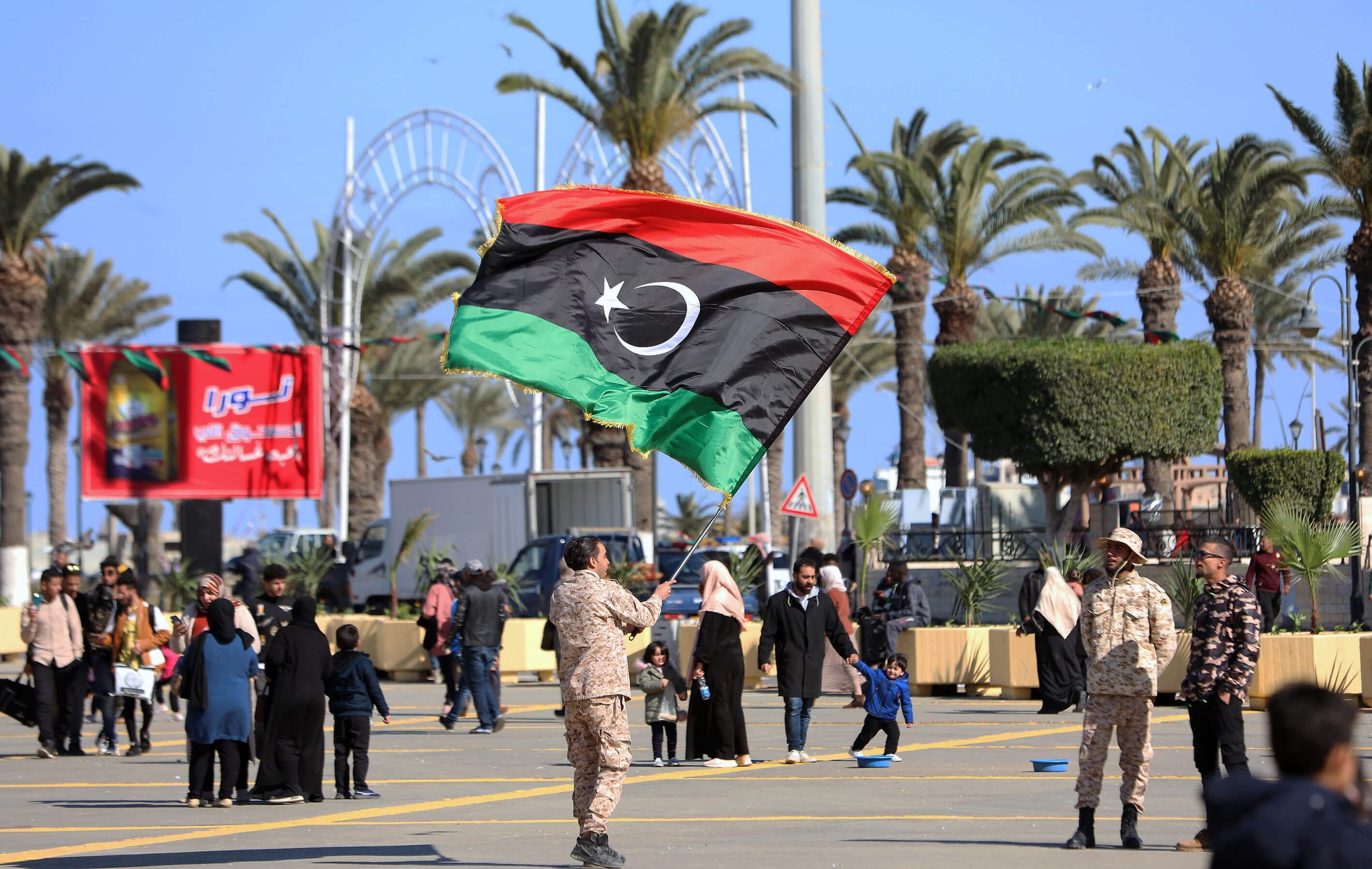
Special attention is paid to Omar al-Mukhtar. On this day, people recall his life story, his struggle against the Italian army, and the final days of his life. Cities may host exhibitions, lectures, and other educational events dedicated to the history of the resistance. For many Libyans, it is also a family day of remembrance. People remember their relatives who died during wars and political conflicts. In this way, the national holiday is intertwined with the personal memories of individual families.
Interesting Facts About Martyrs’ Day
Interestingly, September 16 is an official holiday in Libya. In 2012, a decision was made to designate this date as an annual national holiday. At the same time, institutions and services that perform vital or security-related functions may continue to operate.
Another fact: originally, the date was primarily associated with Omar al-Mukhtar, but after the 2011 revolution, its significance was expanded. Now it is a day of remembrance for all Libyan martyrs, not just the victims of the colonial war. Thus, a single historical date has become a general day of commemoration for those who died for their country.
There is also an interesting detail from the history of al-Mukhtar himself. After his execution, the Italian authorities tried to prevent the emergence of a well-known burial site that could become a symbol of resistance. However, decades later, his remains were eventually reburied with honors. Today, Omar al-Mukhtar’s grave and monuments are important sites of historical memory in Libya.
Another important point is that al-Mukhtar’s struggle did not last just a few months. He remained one of the leaders of the resistance for many years, even when the Italian army had significantly more troops, weapons, and resources. That is precisely why his story has become one of the primary examples of resistance to colonial rule in modern Libyan historical memory.
Why Martyrs’ Day Is Important for Libya Today
For modern Libya, September 16 is, above all, a reminder of the country’s difficult path to independence. The story of Omar al-Mukhtar connects modern Libyans with generations of people who lived under foreign control and fought for the right to determine their country’s future on their own terms. This date also helps preserve the memory of people whose names have not always been recorded in history books. After all, we’re talking not only about famous commanders but also about ordinary Libyans who died during colonial repression and wars.

That is why September 16 in Libya is not just another day off. It is a day when the country reflects on one of the most difficult chapters in its history, remembers the fallen, and honors those considered symbols of the struggle for freedom. Omar al-Mukhtar remains the central figure in this commemoration, but on this day, his name symbolizes a much broader history—the history of all Libyans who died for their country.


