
October 16 Holiday — National Liqueur Day in the U.S.
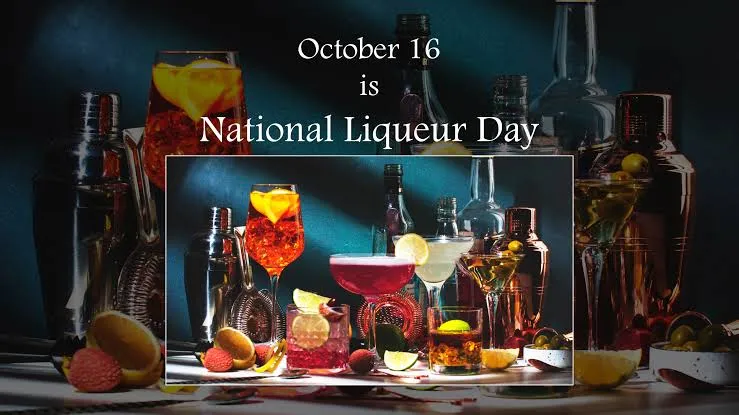
October 16 is National Liqueur Day in the United States—an unofficial holiday dedicated to alcoholic beverages made with fruits, herbs, spices, coffee, nuts, and cream. Although the exact date of the holiday’s origin and the name of its founder remain unknown, the history of liqueurs spans many centuries. Today, they are used not only as standalone beverages but also in the preparation of cocktails, coffee, and desserts.
National Liqueur Day in the U.S. falls on October 16 every year. In 2026, it will be celebrated on a Friday. The date is part of the American calendar of unofficial food and drink holidays dedicated to specific foods and beverages. Its purpose is to draw attention to the variety of liqueurs, their flavors, history, and culinary uses.
It is not a public holiday or an official day off. There are no nationwide celebrations in the U.S. that are mandatory on this day. Instead, bars, restaurants, culinary publications, and beverage enthusiasts can participate in themed activities at their own discretion. The exact origin of National Liqueur Day has not been definitively established. The U.S. National Holiday Calendar confirms the date as October 16, but notes that the history of this culinary holiday is still being researched. Therefore, there is no basis for naming a specific founder or claiming that the holiday was established in a particular year.
People celebrate this day in different ways. Some explore new varieties of liqueurs, some make cocktails, and others use them as ingredients in desserts. Restaurants and bars may offer themed menus or tell guests about the origins of the drinks. However, this is not a mandatory tradition, but rather one way to join in the unofficial celebration.
What Is Liqueur and How Does It Differ from Other Beverages?
Liqueur is an alcoholic beverage to which sugar or another sweetener, as well as aromatic ingredients, are added. It can be made using an alcoholic base, distillates, fruits, berries, herbs, spices, nuts, coffee, chocolate, or cream. The combination of sweetness and a distinctive aroma is one of the main characteristics of this category. Depending on the recipe, a liqueur can be light and fruity, thick and creamy, or have a complex herbal flavor.
Liqueurs should not be confused with strong alcoholic beverages in general. In English, the words “liqueur” and “liquor” have different meanings. The former refers to liqueur, while the latter is often used in the U.S. as a general term for spirits, such as whiskey, rum, vodka, and gin. A liqueur may be made from one of these spirits but is distinguished by the addition of sweeteners and flavoring agents.
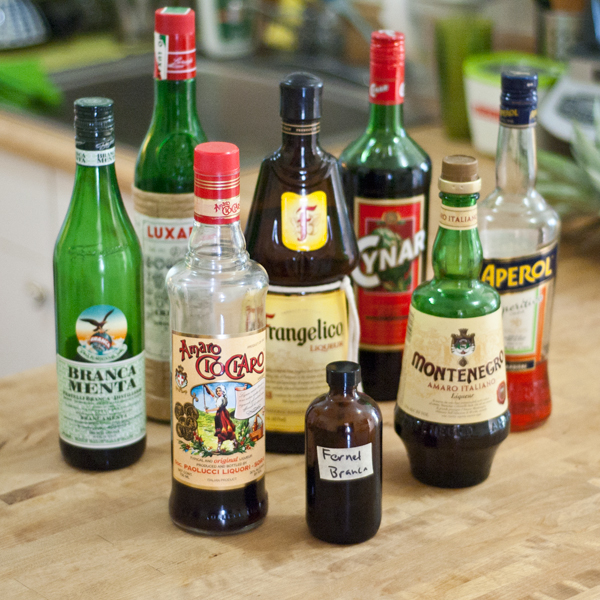
The European Union has established specific requirements for liqueurs. According to the relevant regulation, the minimum alcohol content for most liqueurs must be 15% by volume, and the minimum sugar content depends on the beverage category. Special conditions apply to certain varieties, such as some cherry or herbal liqueurs. These requirements pertain to European legislation and are not universal rules for all countries. Liqueurs can also vary significantly in consistency. Some are clear and quite thin, while others resemble thick syrup. Creamy varieties have a smooth texture, fruity ones have a vibrant aroma, and herbal ones can combine sweetness with bitter notes. Because of this, liqueurs are used in various types of cocktails and dishes.
From Monastic Workshops to Modern Bars
The history of liqueurs is closely tied to the development of distillation, pharmacy, and the use of medicinal plants. In Europe, alcoholic infusions made with herbs and other plant-based ingredients have been used in traditional medicine for many centuries. Researchers describe such beverages and mixtures in historical pharmaceutical sources, particularly in Italian recipe collections.
Monasteries played a significant role in preserving knowledge about plants. On monastery farms, herbs were grown, roots and flowers were harvested, and infusions and various mixtures were prepared. Some of the plant ingredients were combined with alcohol to produce aromatic concentrates. At the same time, not all liqueurs originated in monasteries: their recipes also evolved in pharmacies, households, and production facilities across various countries.
In the past, the line between medicine, tinctures, and beverages was not as clear-cut as it is today. Some alcoholic mixtures were used in medicine at the time, and honey or sugar was added to them to soften their bitter taste. Over time, these sweet, aromatic beverages came to be viewed not only as remedies from apothecary recipes but also as a distinct part of gastronomic culture. This gradually led to the emergence of new recipes and serving styles.

In various regions of Europe, producers experimented with local ingredients. In some places, they used citrus fruits; in others, wild berries, nuts, flowers, or herbs. Recipes were sometimes passed down within families or kept as trade secrets. This is how local traditions took shape, leading to a great diversity of liqueurs. As trade developed, producers gained access to new spices and ingredients. Over time, liqueurs began to be used more frequently as refreshments, served after meals, and added to sweet dishes. Today, this category includes both beverages with a long history and modern products created for bar and culinary culture.
Which Liqueurs Are Popular in Different Countries
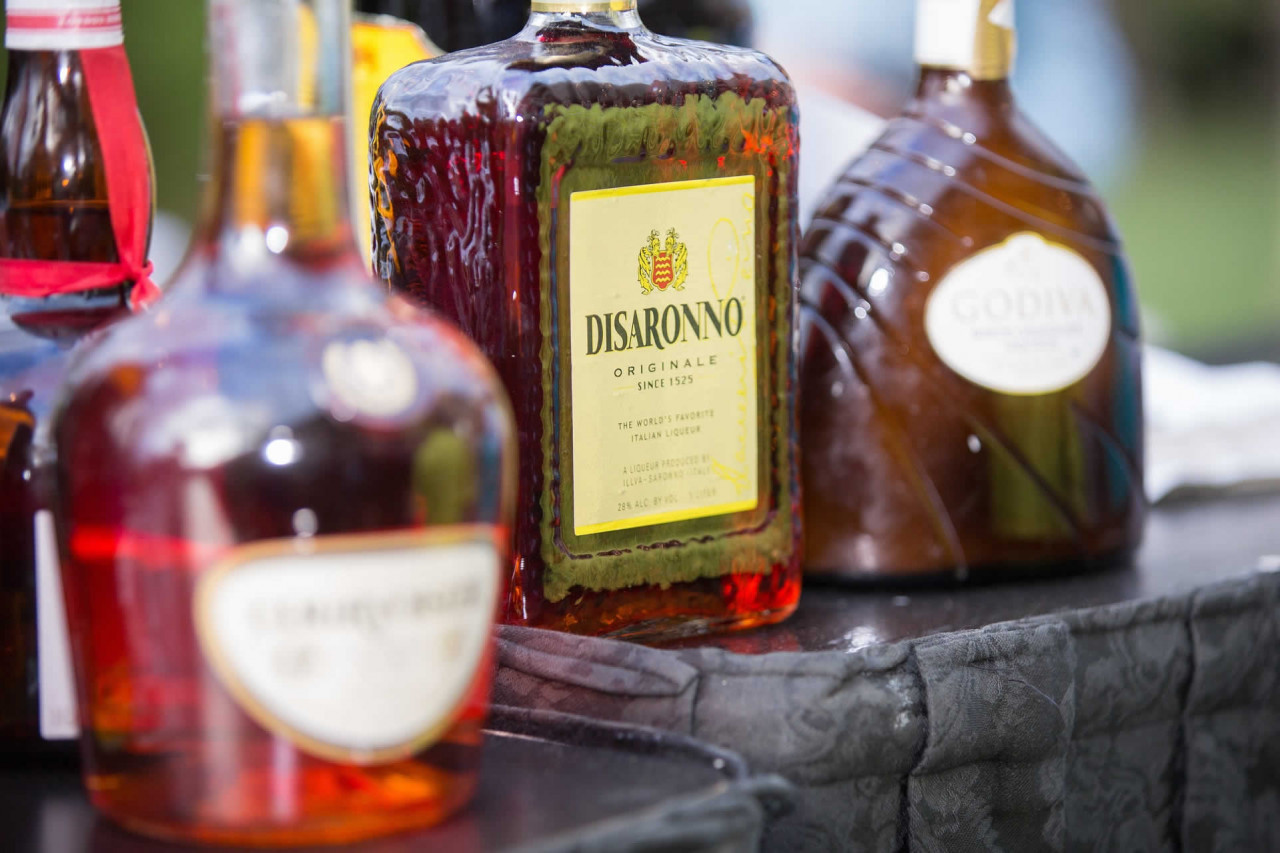
Among the most famous varieties are Italian limoncello, almond amaretto, coffee-flavored Kahlúa, creamy Baileys Irish Cream, and the orange liqueurs Cointreau and Grand Marnier. They differ not only in taste but also in how they’re used. Some are often added to cocktails, while others are served after a meal or used in desserts.
- Limoncello is a lemon liqueur associated with Italy, particularly the southern regions of the country. Its distinctive aroma comes from lemon zest. The drink is often served chilled after a meal and is also used to flavor desserts. Its bright citrus flavor makes it instantly recognizable among fruit liqueurs.
- Amaretto has a sweet almond aroma. Depending on the recipe, its distinctive flavor can be achieved using almonds or the pits of certain fruits. This liqueur is used in cocktails, added to coffee, and incorporated into baking recipes. It pairs well with chocolate, nuts, and baked goods.
- Coffee liqueurs, particularly Kahlúa, have a rich coffee aroma and a sweet taste. They are added to cocktails, mixed with coffee, or used in desserts. Coffee notes pair especially well with chocolate, cream, and vanilla. That’s why these liqueurs are often found in recipes for sweet drinks.
- Baileys Irish Cream is a well-known cream liqueur made with Irish whiskey and cream. Its smooth flavor has made it popular both as a standalone drink and as an ingredient in coffee drinks and desserts. Cream liqueurs have different storage requirements than many clear fruit varieties, so it’s important to follow the manufacturer’s recommendations.
- Orange liqueurs, such as Cointreau and Grand Marnier, are used in many classic cocktails. Their citrus aroma adds character to drinks and helps blend different flavors. These liqueurs can also be used as ingredients in sauces, creams, and desserts.
How National Liqueur Day Is Celebrated
In the U.S., there is no single way to celebrate, so everyone is free to choose their own format. Bars sometimes dedicate this day to liqueur-based cocktails, educate guests about the ingredients, or offer them the chance to try new flavor combinations. Cooking magazines publish recipes, and on social media, people share photos of drinks and desserts. These activities depend on the specific establishment or participant and are not a nationwide tradition. One way to join in the celebration is to learn more about a specific type of liqueur. For example, you can explore what ingredients it’s made from, how the recipe has evolved, and in which countries it has become popular. This helps you see how local products and culinary traditions influence the drink’s flavor.

Another option is to prepare a dish that uses liqueur as a flavoring ingredient. It’s added to tiramisu, chocolate sauces, creams, fruit desserts, and baked goods. Coffee liqueur can enhance the flavor of chocolate, almond liqueur can add nutty notes, and orange liqueur can make a dessert’s aroma more pronounced. The amount depends on the recipe, since too much alcohol can overpower the flavors of the other ingredients.
Some people may celebrate the day at a themed bar or try a non-alcoholic version of a cocktail with similar flavors. This is also a way to explore beverage culture without having to consume alcohol. In any case, the holiday doesn’t require you to buy a specific product or participate in any events. Its purpose is to draw attention to the history and diversity of liqueurs.
Interesting Facts About Liqueurs
- A liqueur can be sweet yet strong at the same time. Sugar and flavorings can mask the sensation of alcohol, making the drink seem lighter than it actually is. However, a sweet taste doesn’t necessarily mean low alcohol content. That’s why it’s important to pay attention to the information on the label and be mindful of portion sizes.
- Not all liqueurs have a fruity flavor. There are coffee, chocolate, cream, nut, floral, and herbal varieties. Some recipes combine several groups of ingredients at once, so the aroma can be complex and multi-layered. It is this diversity that makes liqueurs popular among bartenders and pastry chefs.
- Some liqueurs have monastic roots. Studies of the history of European alcoholic infusions describe the connection between herbal mixtures, pharmaceutical practices, and monastic traditions. A well-known example is the French Chartreuse, whose history is linked to the Carthusian monks. At the same time, it cannot be said that all liqueurs originated in monasteries or share the same origins.
- A single liqueur can be used in various recipes. For example, the coffee variety is suitable for cocktails and desserts, while the citrus variety is ideal for drinks, creams, and sauces. It’s important to use the right amount so that the flavor doesn’t overpower the other ingredients. In some recipes, alcohol is added at the end of preparation, while in others, it’s heated along with the other ingredients. However, heating does not guarantee that all the alcohol will evaporate.
- Liqueur Day does not have a confirmed date of origin. The American National Day Calendar lists October 16 as the date of celebration but continues to research the history of this event. Thus, the history of liqueurs themselves is much better known than the history of this modern culinary holiday.
Why Liqueurs Remain Popular
Liqueurs remain a prominent part of bar and culinary culture thanks to their variety of flavors. They can add a citrus aroma, coffee depth, nutty notes, or a creamy texture to a drink. For pastry chefs, this is another way to diversify desserts, and for bartenders, it’s a tool for creating new combinations. At the same time, the taste and alcohol content of different liqueurs can vary significantly, so they shouldn’t be viewed as a single, homogeneous category.
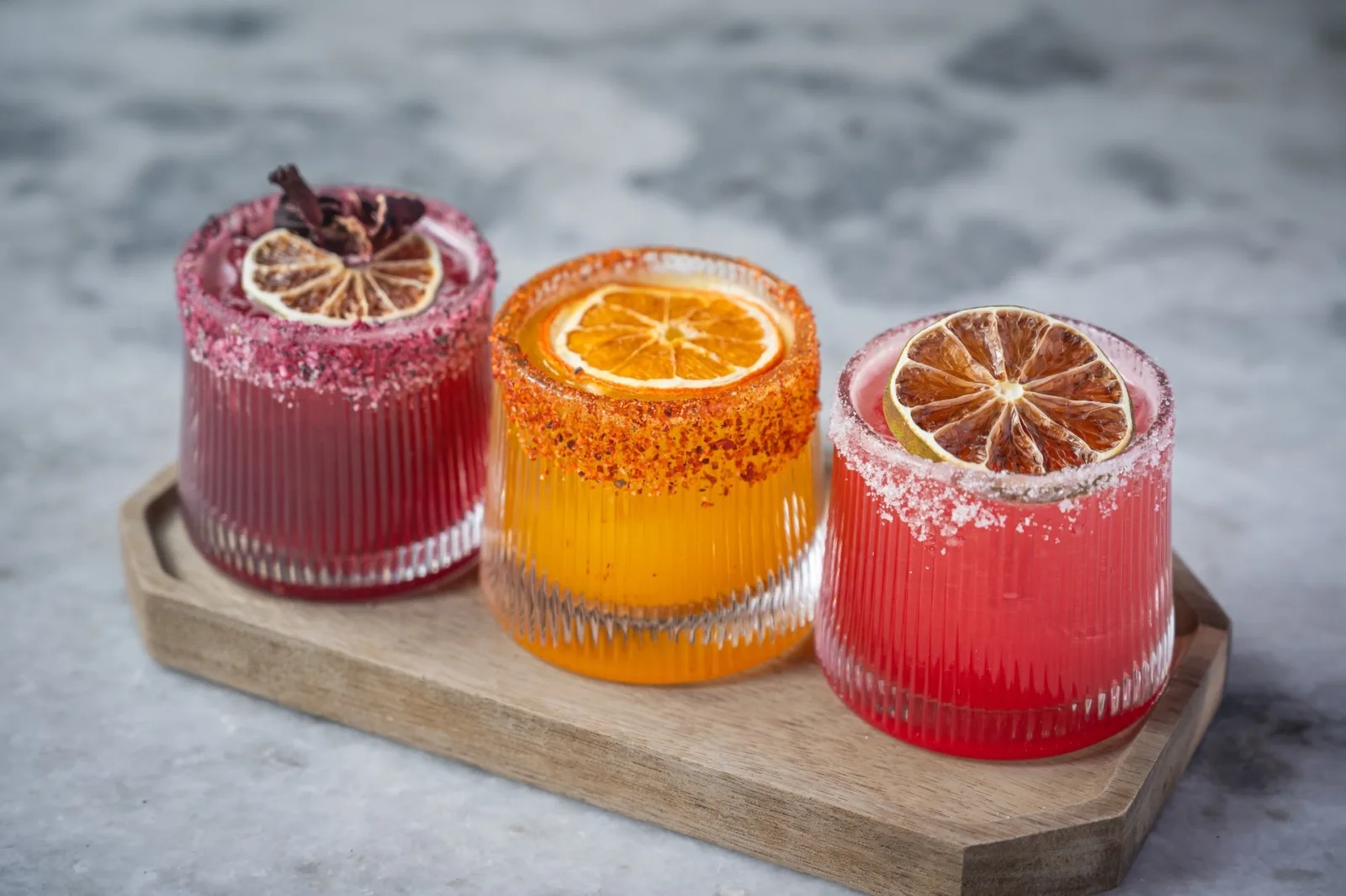
National Liqueur Day, celebrated on October 16, is an unofficial culinary holiday, not a national event. Its history as a calendar date remains unclear, but the drinks themselves have a long history tied to the traditions of various countries. They have evolved from herbal alcoholic mixtures to a variety of products used in cocktails and cooking. You can celebrate this day without drinking alcohol—for example, by reading about the origins of a famous liqueur, making a dessert, or trying a non-alcoholic drink with similar flavors. If, however, someone decides to drink alcohol, it’s important to remember to drink in moderation and not to drive after consuming it.




