June 17 Holiday: Crocodile Day is celebrated around the world
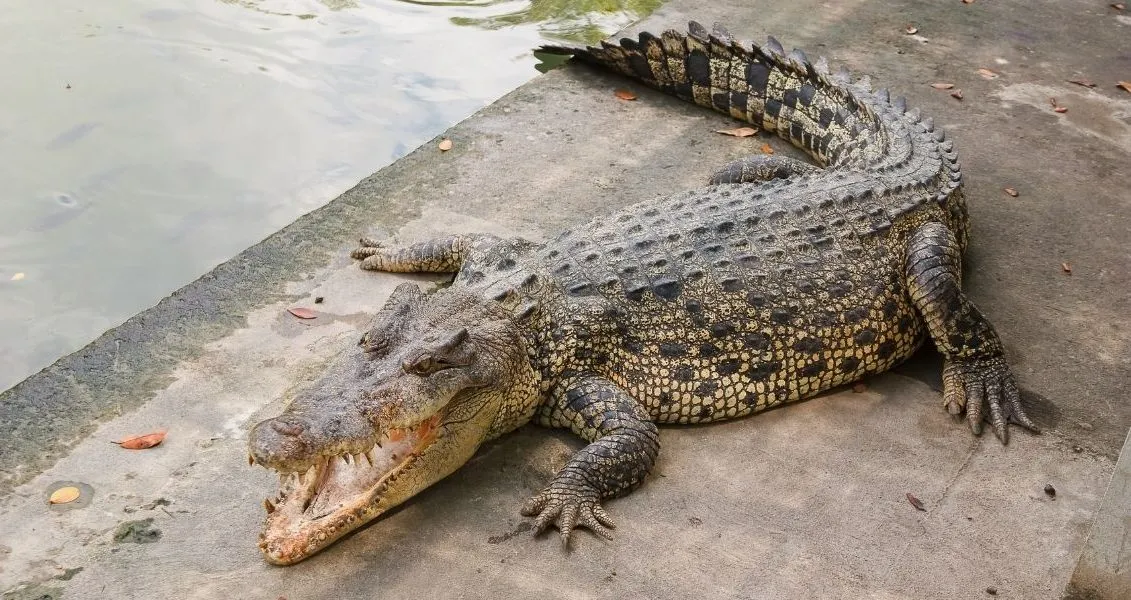
June 17 is World Crocodile Day. This holiday is a relatively recent addition, but its main goal is a very serious one—to draw attention to the conservation of crocodiles and alligators, some of which are threatened with extinction. On this day, environmentalists, scientists, and conservation organizations remind us that these ancient reptiles play a vital role in natural ecosystems.
Every year on June 17, countries around the world celebrate World Crocodile Day (World Croc Day). Despite these animals’ fearsome appearance, the main purpose of the day is not to glorify dangerous predators, but to draw attention to their conservation.
Over the past few decades, many species of crocodiles and alligators have faced serious threats. Due to the destruction of natural habitats, water pollution, illegal hunting, and urban expansion, the numbers of some populations have declined significantly. That is why, every year, environmentalists remind us that crocodiles are not just dangerous predators, but an important part of the wild that needs protection.
How World Crocodile Day Came to Be
The holiday was launched in 2017 by the international organization Crocodile Research Coalition, which is dedicated to researching and conserving crocodiles around the world.
The organizers wanted to draw attention to the fact that many people view these animals solely as a threat, without considering their role in nature. “Crocodiles deserve not fear, but understanding and protection,” emphasize representatives of the organization. Every year, more and more conservation organizations, research centers, zoos, and nature reserves join in celebrating World Crocodile Day. Today, this date is celebrated not only in African and Asian countries, where crocodiles live, but also in many other countries around the world.
Why Crocodiles Are So Important to Nature
Experts explain that crocodiles play a key role in maintaining the natural balance. They control the populations of fish, small mammals, and other animals, preventing disruptions to ecosystems. In addition, the bodies of water where crocodiles live are often home to dozens of other species.
Through their activities, these predators help maintain the health of rivers, swamps, and lakes. “The disappearance of crocodiles could lead to serious changes in natural ecosystems,” ecologists note. That is why protecting these reptiles is part of broader biodiversity conservation programs.
What Threats Do Crocodiles Face?
Humans pose the greatest threat to these animals. The construction of cities and roads is reducing crocodiles’ natural habitats. Water pollution also negatively affects their lives. Poaching remains another problem. Crocodile skin is highly valued on the black market, so illegal hunting still occurs in many countries.
In addition, climate change and rising temperatures are also affecting these animals’ populations. In some regions, experts are even relocating crocodiles to safer areas to preserve rare species.
Reptiles That Outlived the Dinosaurs
Crocodiles are considered among the oldest inhabitants of the planet. Their ancestors appeared approximately 200 million years ago. They lived during the time of the dinosaurs and managed to survive the mass extinction that changed the history of Earth.
Over millions of years, these animals have hardly changed in appearance, which is why scientists often call them “living fossils.” “Crocodiles are among the most successful predators in the planet’s history,” note wildlife researchers. Today, there are more than 20 species of crocodiles, alligators, and caimans in the world.
Interesting Facts About Crocodiles
Crocodiles can hold their breath underwater for nearly two hours. The force of their bite is considered one of the most powerful among all animals on Earth. Some large individuals reach seven meters in length and weigh over a metric ton.
Despite their fearsome appearance, crocodiles can be caring toward their offspring. Females guard their nests, and after the hatchlings are born, they help them reach the water. Another interesting fact is that the sex of the hatchlings depends on the temperature at which the eggs develop. The largest species in the world is the saltwater crocodile, which inhabits Australia and Southeast Asia.
How World Crocodile Day Is Celebrated
On June 17, many countries host lectures, exhibitions, and educational events dedicated to wildlife. Nature reserves and zoos organize themed tours during which visitors learn about the lives of crocodiles and the challenges of their conservation.
Schools hold ecology lessons, and scientists host conferences and discussions. On social media, conservation organizations share interesting facts about these reptiles and urge people to care for nature. “Every species matters, even if it inspires fear,” environmentalists emphasize.
Why This Day Is Important
World Crocodile Day reminds us that even animals that seem dangerous at first glance are part of a larger natural system. Conserving crocodiles is not just about caring for a single species, but also about the health of entire ecosystems on which the lives of many other animals depend. June 17 is yet another reason to remember just how fragile nature is and why humanity must learn to live in harmony with it.