
Holiday on September 18, 2026 — International Grenache Wine Day
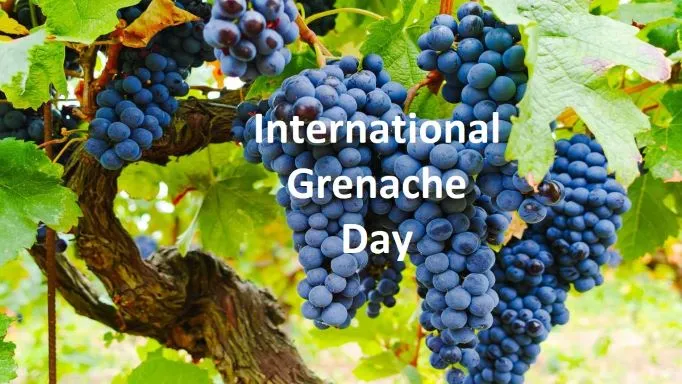
Every year on the third Friday of September, the world celebrates International Grenache Day—a wine named after the grape variety of the same name. In 2026, the holiday falls on September 18. This day was established in 2010 to introduce more people to Grenache, showcase the diversity of wines made from it, and bring together winemakers, sommeliers, restaurants, and wine lovers from different countries.
International Grenache Day is celebrated on the third Friday of September. The date is not fixed, so the holiday falls on different days each year. In 2026, the third Friday of September is September 18. The organizers call it International Grenache Day, and the main symbol of the event is the grape variety itself, which goes by different names in different countries.
In France and English-speaking countries, it is mostly called Grenache. In Spain, you might see it called Garnacha or Garnatxa, and in Sardinia, Italy, this same variety is known as Cannonau. This means that a bottle of wine with a different name on the label may very well be made from the same grape. It is precisely this diversity of names and geographical origins that has become one of Grenache’s most interesting features. The holiday was created not as an official national or religious holiday, but as an international wine initiative. Its goal is to educate people about the variety and demonstrate just how diverse wines made from a single grape variety can be. That is why, on this day, various countries host tastings, wine evenings, meetings with producers, and educational events.
How the Celebration Came to Be
The idea for International Grenache Day originated in 2010. It was launched by the Grenache Association following the first international symposium dedicated to this variety. The symposium took place in France, at the Chêne Bleu winery in the La Vérrière region, and brought together Grenache experts and enthusiasts from various countries. The symposium was organized by well-known figures in the wine world, including Stephen Spurrier, Michel Bettane, Walter McKinley, and Nicole Rolle. After the meeting, the winemakers decided to establish a dedicated date to help draw attention to Grenache. This is how International Grenache Day came to be.

Over time, the idea spread far beyond France’s borders. Wineries, restaurants, wine shops, and wine enthusiasts in Europe, the U.S., Australia, and other regions joined the celebration. According to the Grenache Association, events are now held in dozens of countries on this day. People post photos of bottles and tastings on social media using the hashtag #GrenacheDay. In other words, the holiday didn’t arise from any historical event related to wine, but rather thanks to a community of winemakers. They wanted to raise the variety’s profile and show that Grenache can be more than just a component of blends—it can stand on its own as a full-fledged wine.
What Is Grenache
Grenache is one of the most famous red grape varieties in the world. It thrives in warm, dry climates and is particularly widespread in the Mediterranean region. It is grown in France, Spain, Italy, Australia, the United States, and other countries. The Grenache Association calls it one of the most widely planted red grape varieties in the world.

Grenache loves sun and warmth. Its vines can tolerate dry conditions well, and its deep roots help the plant draw water from the soil. It is this characteristic that attracts the attention of winemakers in the era of climate change. At the same time, the variety requires careful yield management, as an excessive number of berries can affect the concentration and structure of the resulting wine.
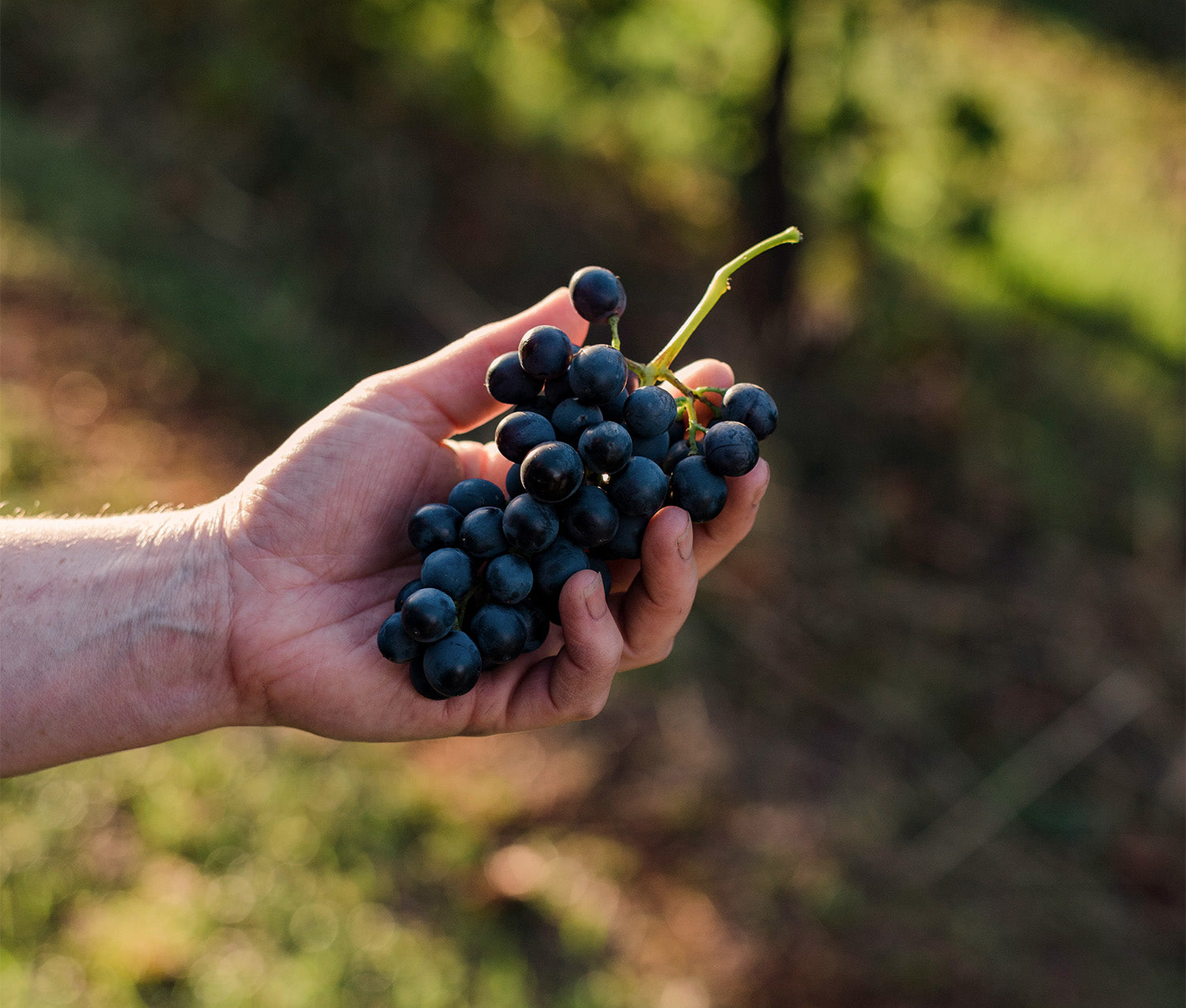
Depending on the growing region and production methods, Grenache can produce very different wines. They can range from lighter and fruity to full-bodied, spicy, and more structured. The flavor and aroma often feature red berries, raspberries, cherries, spices, and other fruity notes. It is this versatility that makes the variety so appealing to winemakers.
Where Grenache Is Grown
One of the main regions for Grenache is southern France. The variety is widely used in the Southern Rhône, Provence, Languedoc, and Roussillon. It is a component of wines from such renowned regions as Châteauneuf-du-Pape. Grenache is also an important part of traditional Southern Rhône blends. Spain plays an equally important role; there, the variety is often called Garnacha. It is grown in Aragon, Priorat, Navarre, Campo de Borja, and other wine-producing regions. Spanish winemakers use Garnacha for both red wines and other wine styles.

In Italy, Grenache is known as Cannonau and is particularly associated with Sardinia. On the island, this variety has become an important part of the local wine culture. Researchers and wine experts specifically highlight Spanish and French varieties among those characteristic of Sardinia. Grenache also has a very interesting history in Australia. According to Wine Australia, the variety was introduced to the country in the early 19th century, and the first documented import of cuttings is attributed to James Busby in 1832. As early as 1838, the first known Grenache vineyards appeared in McLaren Vale. Some of the old Australian vines have survived to this day.
Why Winemakers Love Grenache
One of the variety’s main advantages is its versatility. Grenache can be used to produce red, rosé, and even white wines. There is also Grenache Blanc, a white variety of the grape used in France, Spain, and other wine-producing regions. Therefore, it would be incorrect to speak of Grenache as representing only one specific style of wine.

Another reason for its popularity is the variety’s ability to work well in blends. Particularly well-known is the combination of Grenache, Syrah, and Mourvèdre, often referred to as GSM for short. In such wines, Grenache can contribute fruitiness and softness, while the other varieties add structure, spice, and other nuances. It is precisely these blends that have become an important part of the wine culture of Southern France and Australia.
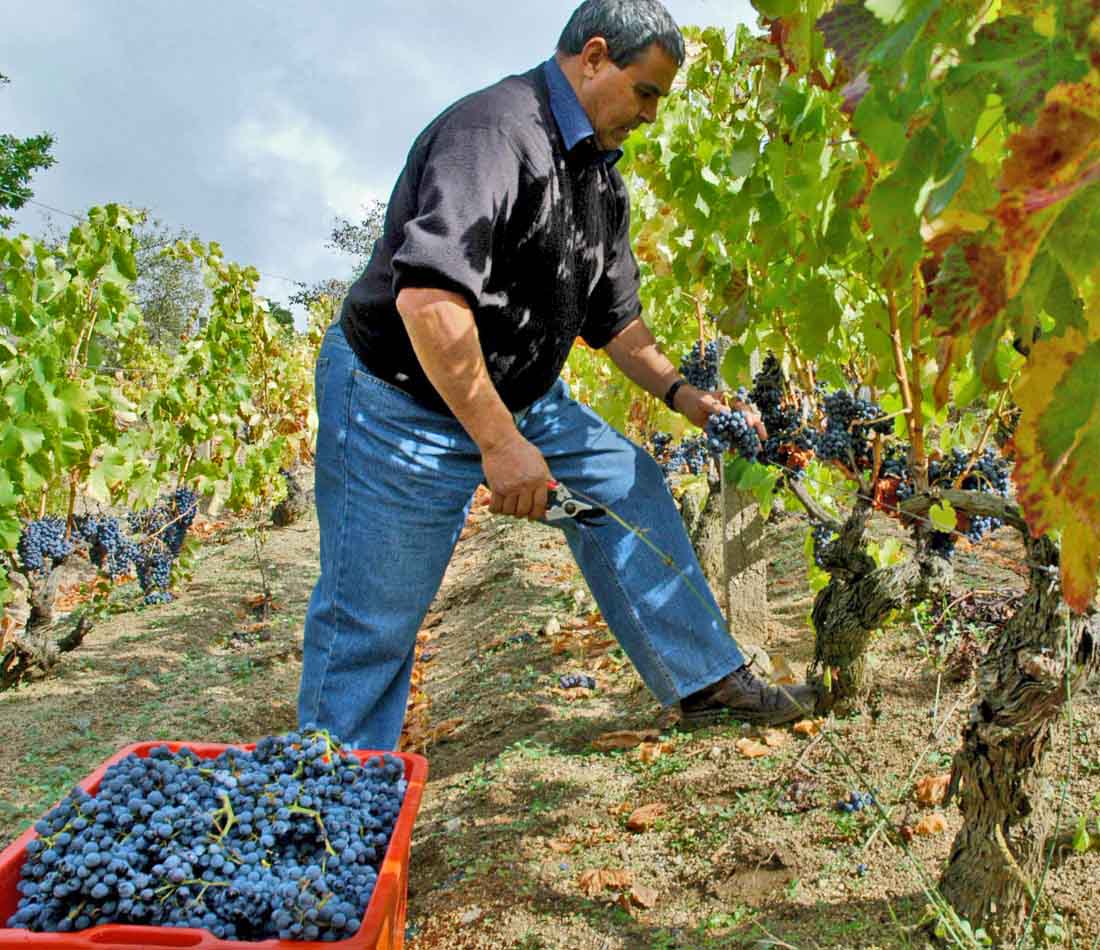
At the same time, modern winemakers are increasingly turning to single-varietal Grenache wines. This is especially true for old vines with low yields. In Australia, interest in such wines has grown significantly in recent decades. Wine Australia notes that the old Grenache vineyards in Barossa and McLaren Vale have become an important part of the variety’s modern revival.
What Does Grenache Taste Like?
There is no single, universal Grenache flavor profile. It is influenced by climate, soil, vine age, yield, and winemaking techniques. Young wines can be juicy, fruity, and fairly light. Wines from old vines often have a more complex aroma and a rich structure. In red Grenache, you can often detect raspberry, cherry, and other red berries. In more full-bodied versions, spicy and earthy notes emerge. Australian producers, for example, describe their wines as a blend of ripe fruit, spices, and a juicy texture.
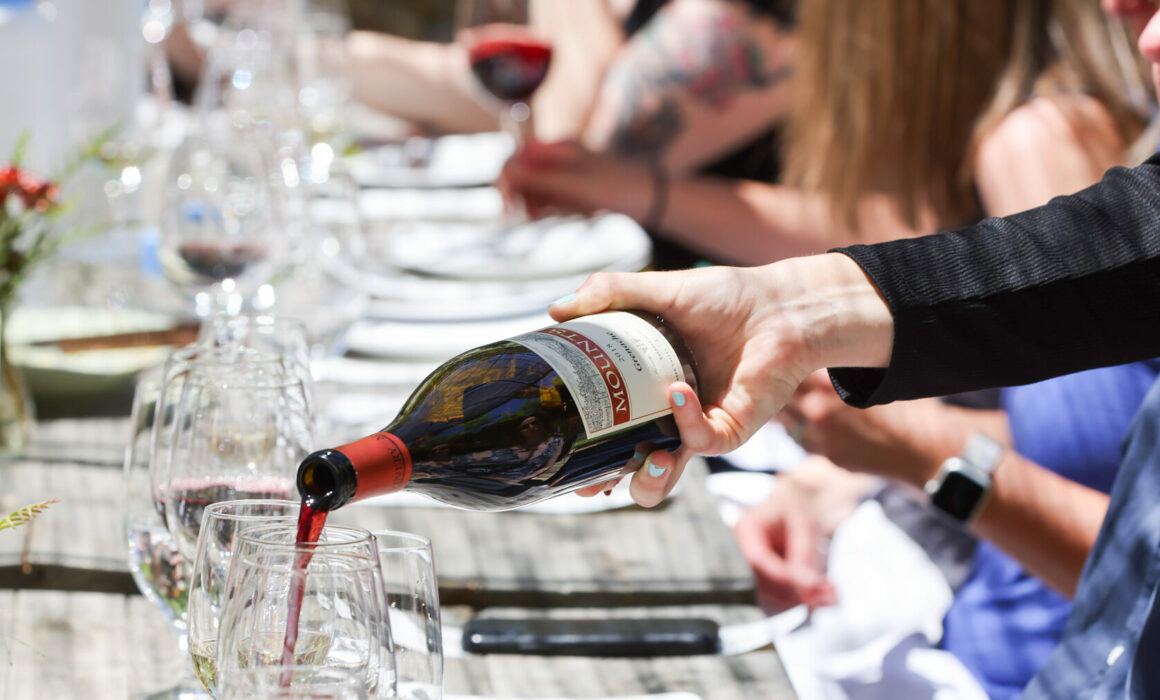
Rosé wines made from Grenache have also become very popular. The variety is well-suited to this style thanks to its fruitiness and ability to produce a vibrant aroma. The Grenache Association specifically highlights the diversity of its uses—from aperitif rosés to full-bodied reds and whites.
How International Grenache Day Is Celebrated
The main tradition of this day is very simple—open a bottle of Grenache and get to know the variety better. Wineries hold tastings, restaurants create special wine pairings, and wine shops may organize themed evenings. Sommeliers and the winemakers themselves often participate in these events. Interestingly, the organizers encourage people not just to drink the wine, but to learn about it. You can compare Grenache from France and Australia or try Spanish Garnacha. It’s even more interesting to try both the red and rosé versions and note the differences in aroma and flavor. This experience helps you understand why a single grape variety can produce such different results.
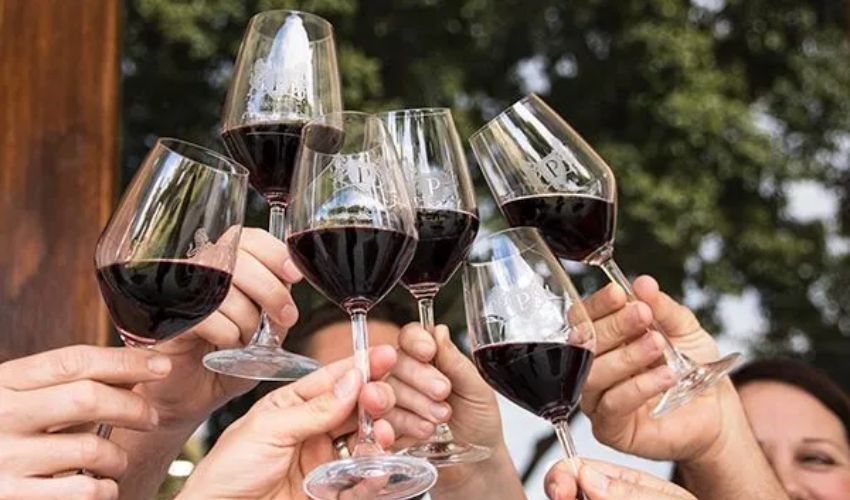
Social media is actively involved in the celebration. Wine lovers post photos of bottles, tastings, vineyards, and dishes using the hashtag #GrenacheDay. The Grenache Association uses this date as an international awareness campaign that brings together winemakers, importers, restaurants, stores, and everyday wine lovers.
What to Pair Grenache With
Grenache pairs well with food, and this is another reason for its popularity. The Grenache Association calls it a great match for many dishes—from grilled meats to spicy and aromatic cuisine. Australian wine experts also recommend pairing it with meat dishes, game, sausages, and moderately spicy foods.
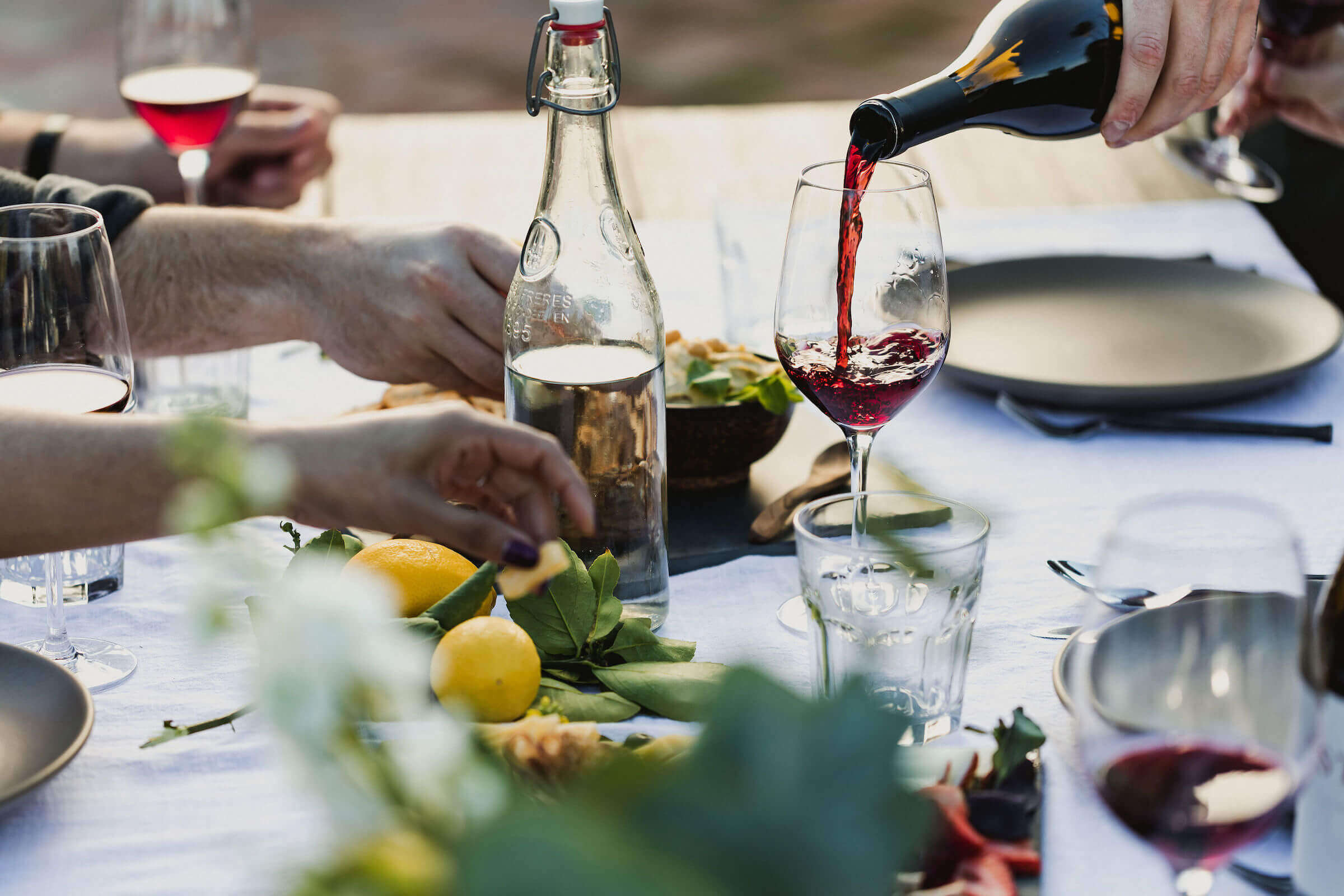
Lighter rosé Grenache pairs well with appetizers, vegetable dishes, or light meat dishes. Full-bodied red Grenache wines pair well with grilled meats. When it comes to the spicy GSM blend, it’s often served with bold-flavored dishes. That said, there’s no one-size-fits-all rule, as the specific style of the wine can vary greatly. For a home tasting, you can try a simple experiment. Take two different Grenache wines—for example, a French one and an Australian one—and taste them with the same dish. This way, you can see just how much climate, soil, and the winemaker’s craft influence the taste. It is precisely this diversity that is one of the main reasons for this variety’s popularity.
Interesting Facts About Grenache
Grenache has several names. In France and many English-speaking countries, it is called Grenache; in Spain, Garnacha or Garnatxa; and in Sardinia, Cannonau. The grapes all belong to the same variety, although specific clonal and regional differences can be significant.
According to the Grenache Association, the variety is grown on six of the seven continents. This shows just how widely it has spread beyond its Mediterranean homeland. Grenache thrives particularly well in areas with plenty of sunshine and little rainfall. Its deep roots help the vine survive dry periods.
Australia has some of the oldest productive Grenache plantings. In Barossa and McLaren Vale, there are still vineyards with old vines, some of which date back to the 19th century. Such vineyards are particularly valuable to winemakers, as old vines may yield small harvests but produce complex and concentrated grapes.
For a long time, Grenache was not always regarded as a prestigious variety. In Australia, it was used primarily for blends and fortified wines for years. Eventually, winemakers turned their attention back to the old vines and the variety’s potential, and it began to return to the spotlight. Today, producers are increasingly making single-varietal Grenache wines, showcasing its distinct character.
International Grenache Day on September 18
International Grenache Day is an occasion not just to raise a glass of wine, but to learn more about a variety that has a long history and dozens of different expressions. In 2026, the holiday will be celebrated on September 18, as this year the third Friday of the month falls on that date. Wineries, restaurants, stores, sommeliers, and all adult wine enthusiasts are welcome to join in. The main idea behind the holiday is to show that the name “Grenache” represents a whole world of wines. This could be French Grenache, Spanish Garnacha, Sardinian Cannonau, Australian GSM, or a single-varietal wine made from old vines. That’s why the organizers call this day an international celebration for anyone who wants to learn more about the variety.
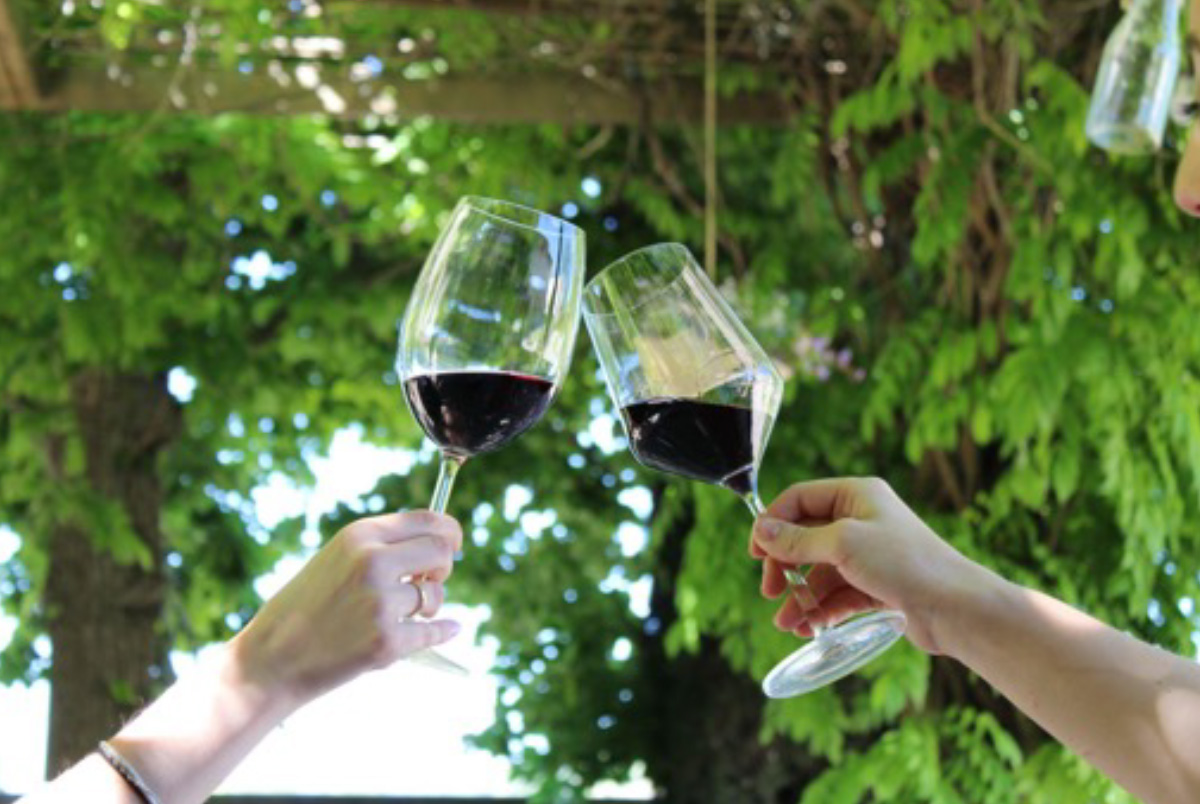
On September 18, you can host a small tasting at home, attend a themed event, or simply enjoy a glass of Grenache paired with a complementary dish. And if you’re not interested in alcohol, you can spend the day learning about winemaking, grape varieties, and the history of different wine regions. In any case, the purpose of International Grenache Day remains the same—to draw attention to one of the most interesting grape varieties and showcase its diversity.


