
Holiday on September 19, 2026 — Nepal’s Constitution Day: How the Country Changed Its History
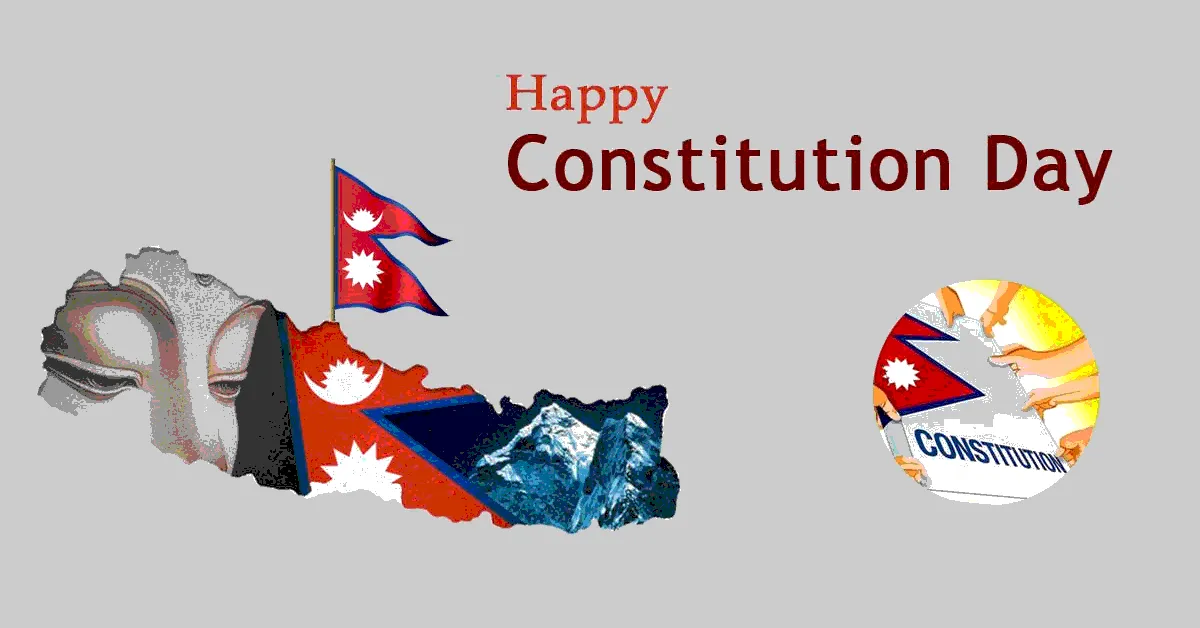
Nepal is celebrating Constitution Day, which commemorates the adoption of the country’s Constitution in 2015. It was this new Constitution that established Nepal as a secular, federal, democratic republic and marked an important milestone following decades of political conflict and the transition from a monarchy to a republic. In 2026, the holiday falls on September 19 on Kathmandu’s official calendar, although the Constitution itself was proclaimed on September 20, 2015.
Constitution Day is one of Nepal’s major national holidays. It is dedicated to the Constitution, which came into effect in 2015 following a lengthy process of political change in the country. In Nepal, this day is also known as Sambidhan Diwas. The holiday is a national day off. Historically, the Constitution was proclaimed on September 20, 2015. Nepal’s President Ram Baran Yadav declared it in effect after the document was approved by the Constituent Assembly. This date has become significant in the country’s recent history. It symbolizes the completion of the long process of establishing a new form of government following the civil war, the abolition of the monarchy, and the transition to a republic.

At the same time, in Nepal, the official dates of many holidays are determined by the traditional Bikram Sambat calendar. Constitution Day is associated with the date of Ashwin 3, which in 2015 corresponded to September 20. Due to the difference between the calendars, the date in the Gregorian calendar may vary. For example, the Kathmandu calendar for 2026 lists Constitution Day as September 19.
How Nepal Came to Have a New Constitution
To understand the significance of this holiday, it is important to know that the 2015 Constitution did not come about overnight. Nepal underwent significant political changes over the course of decades. The country was a monarchy for a long time, and in the late 20th and early 21st centuries, it experienced a struggle for democratic rights, political protests, and a civil war. In 1996, an armed Maoist insurgency against the state began in Nepal. The conflict lasted about ten years and ended with a peace agreement in 2006. After that, the country gradually began to transition to a new political system. In 2008, the monarchy was officially abolished, and Nepal was declared a republic.
The next major task was to draft a new constitution. To this end, a Constituent Assembly was formed to represent the country’s various population groups. The process proved to be complex and lasted for years. The first Constituent Assembly was unable to complete work on the document by the set deadline, so new elections were subsequently held and a second assembly was formed. The situation was further complicated by a powerful earthquake in Nepal in April 2015. After the disaster, political forces increased pressure on the government, demanding that the constitutional process be completed more quickly. As a result, work on the document accelerated significantly. A few months later, the Constitutional Assembly voted in favor of the new Constitution.
What the 2015 Constitution Changed
The new Constitution officially defined Nepal as an independent, sovereign, secular, inclusive, democratic, and federal republic. The document enshrined the principles of multiparty democracy, civil liberties, fundamental human rights, periodic elections, and an independent judiciary. The Constitution also established a federal system of government.
Under the new system, power in Nepal is divided among three levels—federal, provincial, and local. This marked a major change for a country that previously had a much more centralized system of government. The Constitution established the division of powers among the different levels of government. As a result, regions and local communities gained greater opportunities to influence the governance of their territories.
The document devotes special attention to the fundamental rights of citizens. These include freedom of speech and expression, freedom of peaceful assembly, and the freedom to form political parties and civil society organizations. The Constitution also enshrines the principles of equality, social justice, and inclusive representation. The document consists of 35 parts, 308 articles, and nine annexes. It has become the fundamental law of modern Nepal and replaced the Interim Constitution of 2007. The Constitution itself states that sovereignty and state power belong to the people.
Why the Constitution Is Important for Nepal
For Nepal, the new Constitution was more than just another legal document. It enshrined the results of the sweeping political changes that had taken place in the country over many years. After the abolition of the monarchy, Nepal needed to establish a new system of government. The Constitution became the foundation of this system. The transition to a federal republic was of particular significance. Previously, most political power had been concentrated at the central level. The new model provided for the distribution of powers among the central government, the provinces, and local authorities. For many communities, this was intended to be a way to gain more influence over decisions that directly affect their lives.
Another important aspect was the secular nature of the state. The Constitution defines Nepal as a secular state while also guaranteeing the protection of religious and cultural freedom. This is particularly important for a country with a large number of ethnic, linguistic, and religious groups. The Constitution also recognizes the multicultural and multilingual nature of Nepalese society. That is why Constitution Day for Nepal is not merely about the date the document was adopted. It is also a reminder of the country’s long political journey from a monarchy to a federal republic. At the same time, the history of the Constitution’s adoption was not straightforward, and controversies surrounding the document persisted.
Why There Were Protests Over the Constitution
The adoption of the Constitution in 2015 was not unanimously supported by all segments of the population. Particularly strong opposition arose in the southern regions of Nepal, where members of the Madhesi and Tharu ethnic groups, among others, reside. They claimed that the country’s new administrative divisions and certain provisions of the Constitution did not sufficiently take their interests into account. The protests began even before the Constitution was officially proclaimed and were accompanied by clashes with security forces. A curfew was imposed in some areas, and political tensions remained very high. In September 2015, on the eve of the document’s promulgation, the protests continued.
Consequently, Constitution Day holds different meanings for various groups within Nepalese society. For many, it symbolizes the conclusion of a long political process and the transition to a new system of government. At the same time, some segments of the population criticized certain provisions of the Constitution and demanded changes. After the document was adopted, the Nepalese government acknowledged these grievances and expressed its readiness to address them through political dialogue and amendments. It is important to keep this in mind when discussing the holiday. Constitution Day does not mean that the entire process of constitutional change was simple or conflict-free. On the contrary, it was the result of complex negotiations, political struggles, and compromises among various segments of the population.
How Constitution Day Is Celebrated in Nepal
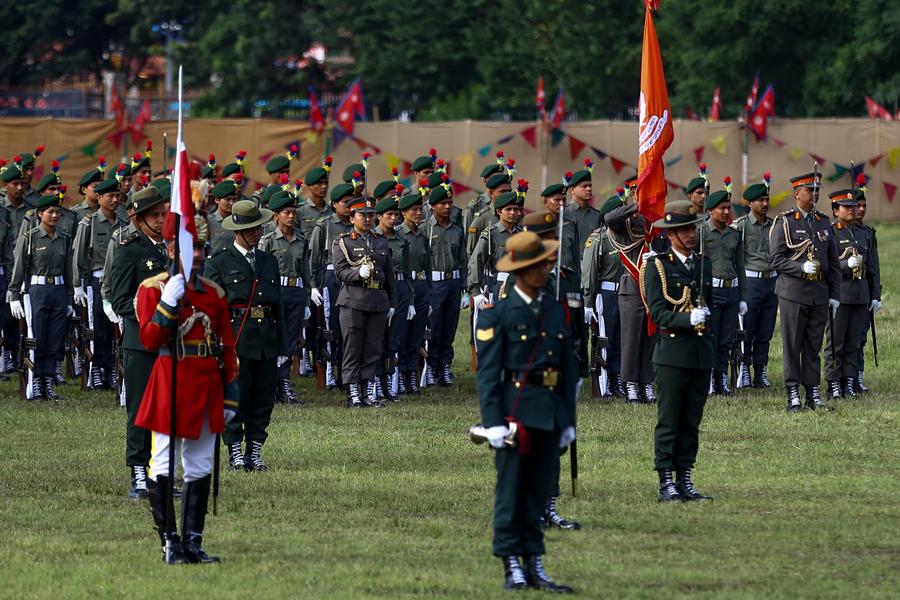
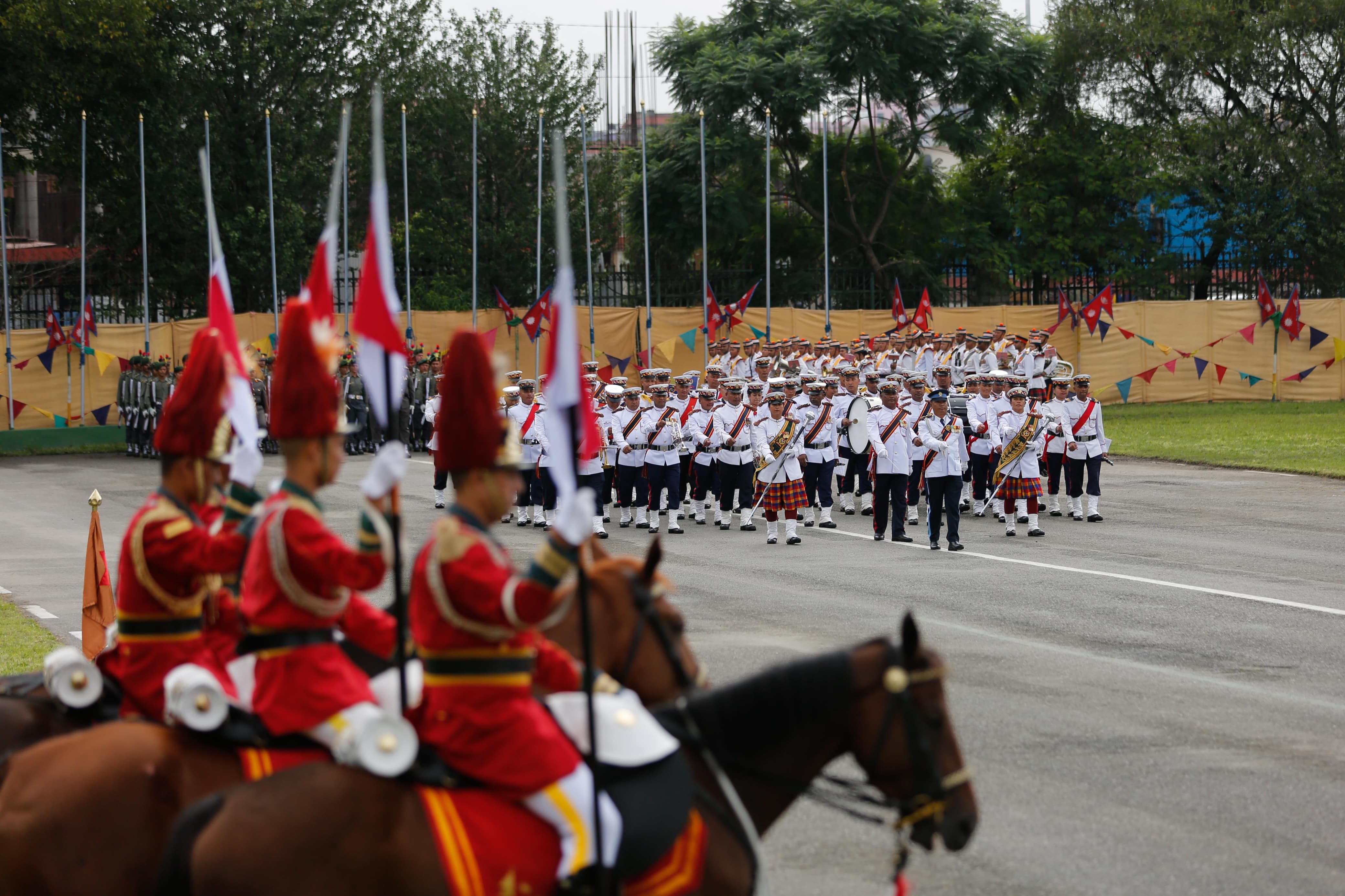
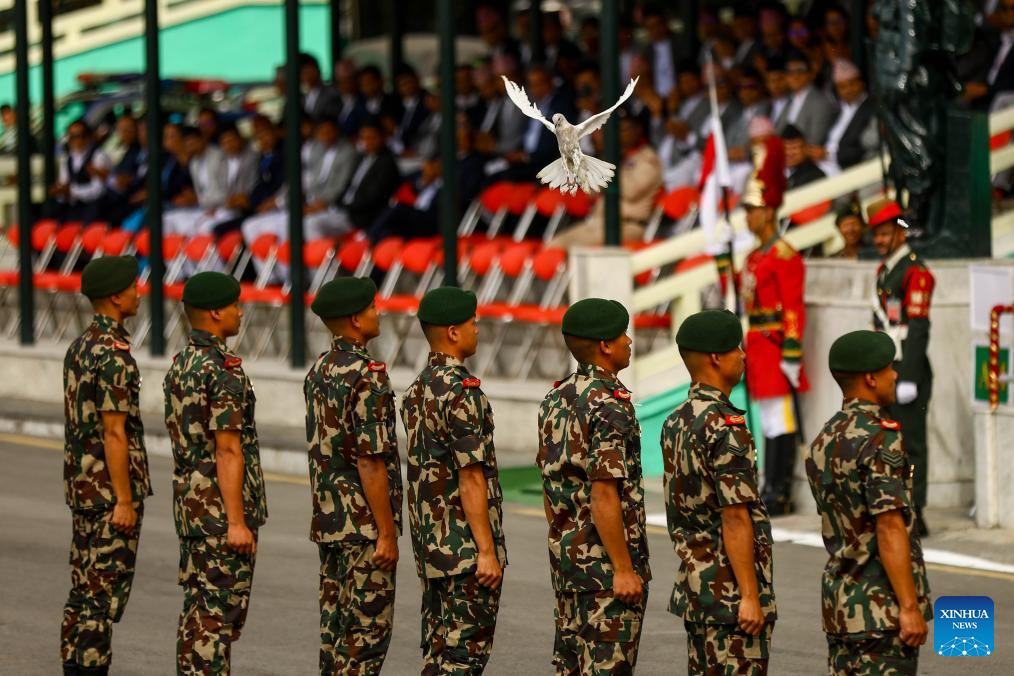
Constitution Day is a national holiday and a day off. In different years, the government organizes special official events in Kathmandu and other parts of the country. These may include ceremonial events, speeches by government officials, public events, and programs dedicated to the history of the Constitution. One of the traditional venues for major state events is Tundihhel in Kathmandu. This is where the main celebrations have been held, attended by representatives of the government, parliament, state institutions, civil society organizations, and other participants. Such events serve as a reminder of the importance of the Constitution and Nepal’s modern system of government.
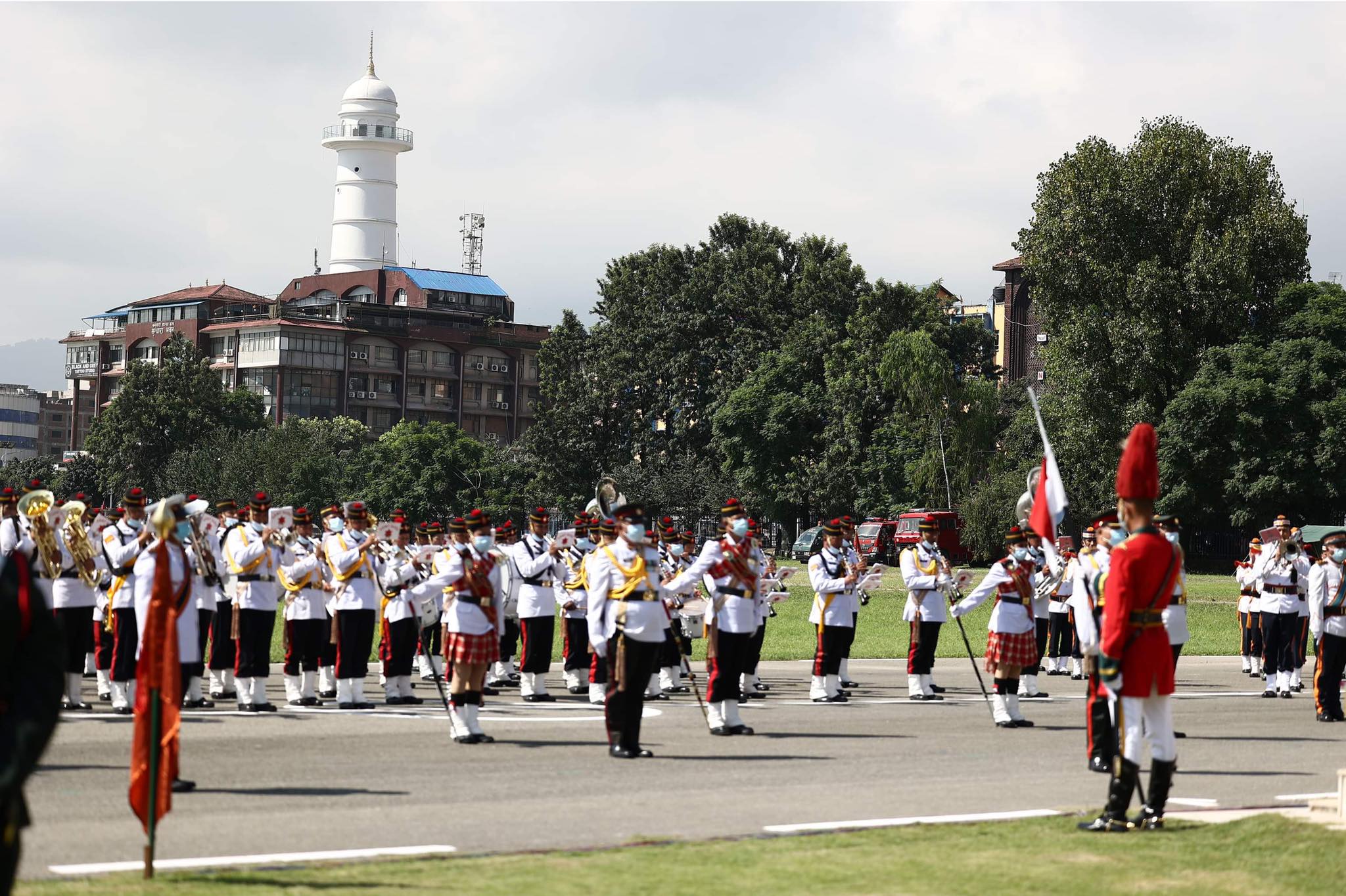
The celebrations may last more than one day. In some years, the Nepalese government has announced a three-day program for Constitution Day. For example, these programs have included public discussions, informational events, special editions of newspapers and magazines, radio programs, gatherings, and building illumination ceremonies. Such programs have been held not only in the capital but also at the local level. Nepal’s diplomatic missions abroad also participate in the celebrations. In various years, embassies and consulates have organized their own informational and cultural events. This allows members of the Nepali diaspora and foreign guests to learn more about the country’s modern history.
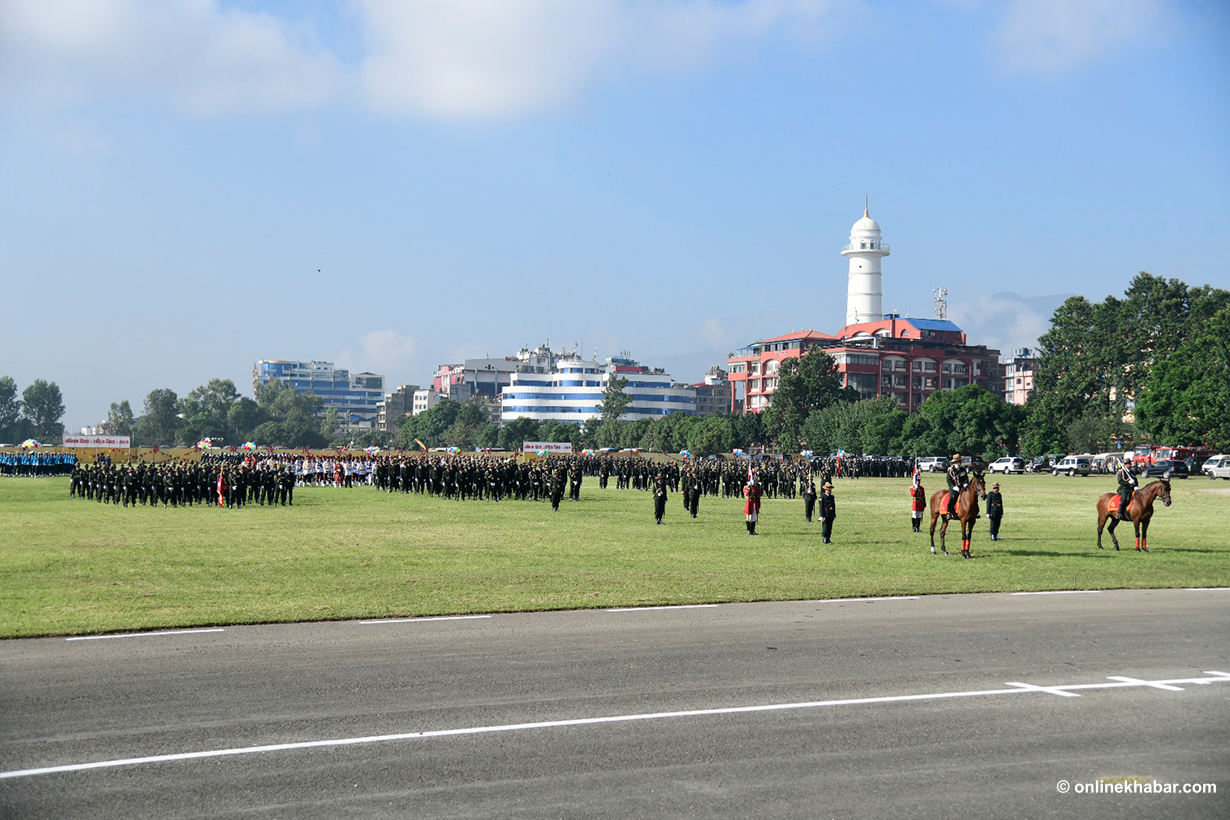
In Nepal itself on this day, one can see national flags, festive decorations, and special government programs. Television and radio stations prepare segments on the Constitution and the country’s political history. The government also addresses citizens with greetings and calls on them to reflect on the democratic principles, rights, and freedoms enshrined in the Constitution.
Interesting Facts About Nepal’s Constitution Day
Interestingly, the 2015 Constitution became Nepal’s seventh Constitution. Prior to that, the country had already amended its fundamental law several times. Among the previous documents were the 1959 Constitution of the Kingdom of Nepal, the 1962 Constitution, the 1990 Constitution, and the 2007 Interim Constitution. This number of documents illustrates just how much the country’s political system changed throughout the 20th and early 21st centuries.
Another interesting fact is that the current Constitution took nearly eight years to draft. The process began following the political changes associated with the end of the civil war and proceeded through the work of the Constituent Assembly, elections, and numerous negotiations. Ultimately, the document was supported by an overwhelming majority of the members of the Constituent Assembly.
Of the 598 members of the Constituent Assembly who participated in the final stage, 537 signed the Constitution. According to the Nepalese Ministry of Foreign Affairs, more than 92% of the Assembly members participated in the vote on the document. This marked one of the key milestones in the conclusion of the long-standing constitutional process.
The Nepalese Constitution is also notable for enshrining a fairly broad system of fundamental rights. It guarantees freedom of speech, peaceful assembly, political activity, movement, and the right to form organizations. The document also contains provisions on social justice, equality, and inclusive representation.
Another distinctive feature is that the Constitution defines Nepal as a country with a three-tier system of government. Power is distributed among the federal government, the provinces, and local authorities. For a country that had long maintained a centralized system, this marked one of the most significant institutional changes.
What Constitution Day Means for Nepal Today
Today, this holiday is an opportunity to commemorate one of the most important milestones in Nepal’s modern history. The Constitution sets forth the rules governing the state, the distribution of power, and the fundamental rights of citizens. It also enshrines the federal system and the republican form of government. For Nepalis, this day is associated with the transition to a new political system following the abolition of the monarchy. It serves as a reminder of the years of negotiations, the work of the Constituent Assembly, and the difficult path taken after the civil war. At the same time, the history of the Constitution shows that the adoption of the fundamental law does not always mean the end of political disputes.

That is why, during official events in Nepal, discussions focus not only on the document itself but also on democratic values, citizens’ rights, public participation in political life, and the need for dialogue. The government has described Constitution Day as a holiday for all citizens, not merely a formal state event. Constitution Day remains an important date for Nepal, one that bridges the country’s contemporary politics and its complex history. In 2026, Kathmandu’s official calendar marks it as September 19, while the historical date of the Constitution’s proclamation is September 20, 2015. Regardless of the difference in dates, the essence of the holiday remains unchanged—it commemorates the adoption of the Constitution, which defined Nepal’s modern system of government.




