
September 6 — Pakistan Defense Day: Commemorating the 1965 War
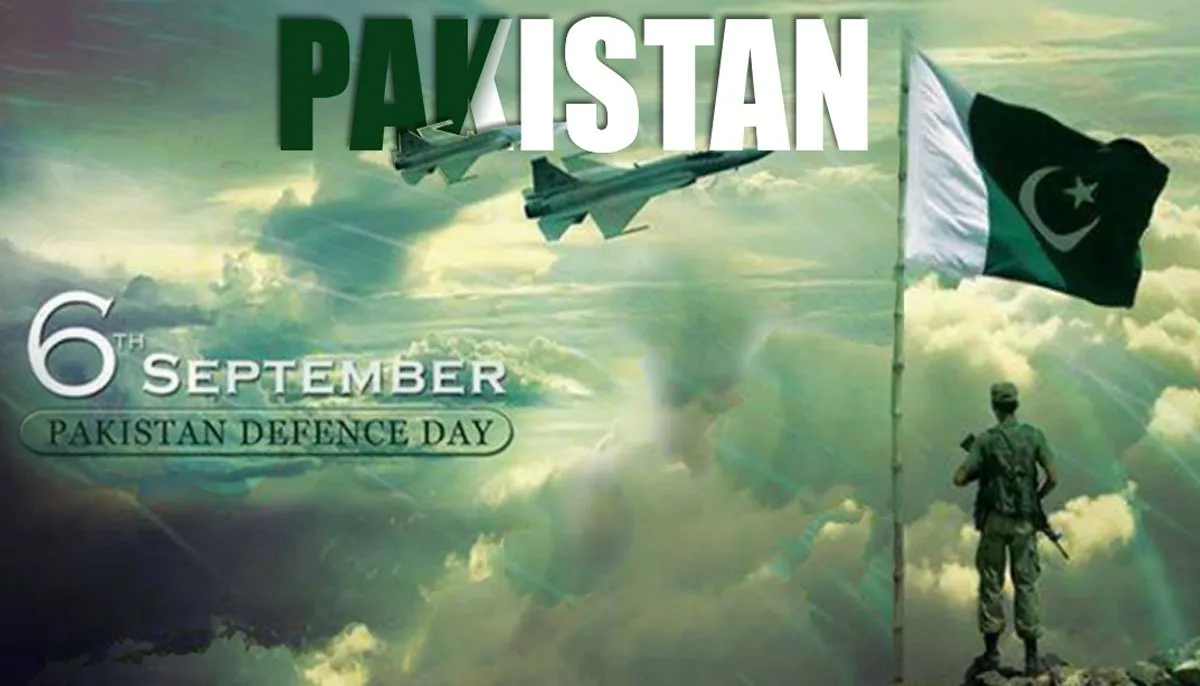
On September 6, Pakistan observes Defense Day, dedicated to the memory of the soldiers who died during the 1965 war with India. In 2026, this date falls on a Sunday. On this day, the country holds commemorative ceremonies, prayer services, wreath-laying ceremonies, and military events.
Pakistan’s Defense Day, or Youm-e-Difa, is observed annually on September 6. For the country, it is first and foremost a day to remember the soldiers who died during the 1965 war. On this day, veterans and those who participated in combat operations are also honored. The date is linked to the events of the night of September 5–6, 1965. It was then that Indian troops crossed the international border and launched an offensive into Pakistani territory, particularly in the directions of Lahore and Kasura. In Pakistan, this moment has come to symbolize the need to defend the country’s territory and sovereignty.

At the same time, the history of the 1965 war is far more complex than the official Pakistani account of events. The conflict was preceded by hostilities over the disputed region of Kashmir, and in August of that year, Pakistan launched Operation Gibraltar. Following this, the standoff between the two countries quickly escalated into a full-scale war. Therefore, Defense Day in Pakistan is part of the national remembrance of this conflict, although in India the events of 1965 are interpreted differently.
Why September 6?
The choice of date is directly linked to the start of a large-scale offensive on the western front of the 1965 war. On the morning of September 6, Indian troops crossed the international border in the Punjab region. One of the main targets was Lahore—Pakistan’s second-largest city. The Pakistani Army began defending its positions. The fighting did not take place solely on the ground. Air and naval forces were actively deployed in the conflict. Ultimately, the war ended with a ceasefire on September 23, brokered by the United Nations.
In Pakistan, September 6 has become the main date for honoring the soldiers who participated in the war. Government authorities refer to this day as a symbol of courage, unity, and readiness to defend the country. Every year, in official statements, the government also commemorates fallen servicemembers, veterans, and their families. Thus, Defense Day has not only military but also commemorative significance.
How Defense Day Is Observed
The morning of September 6 in Pakistan traditionally begins with commemorative events. In mosques, after the morning prayer, special prayers are offered for peace and the well-being of the country and its citizens. Separate prayers are offered for fallen soldiers. The country also holds Fateha and Quran Khawani—religious rituals and recitations from the Quran in memory of the fallen. These events take place in mosques, military units, and at memorials.
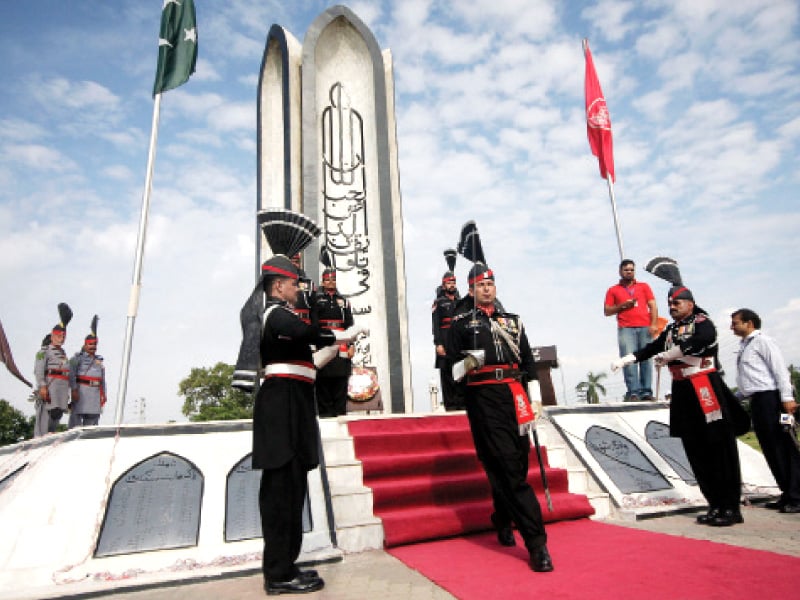
Another tradition is the laying of wreaths at the graves and monuments of fallen soldiers. Ceremonies are held in various cities, and representatives of the military and government honor the fallen with a moment of silence and prayers. In Karachi, a key venue for the ceremonies is the mausoleum of Pakistan’s founder, Muhammad Ali Jinnah. A ceremonial changing of the guard takes place there. Cadets from military academies participate in the ceremony.
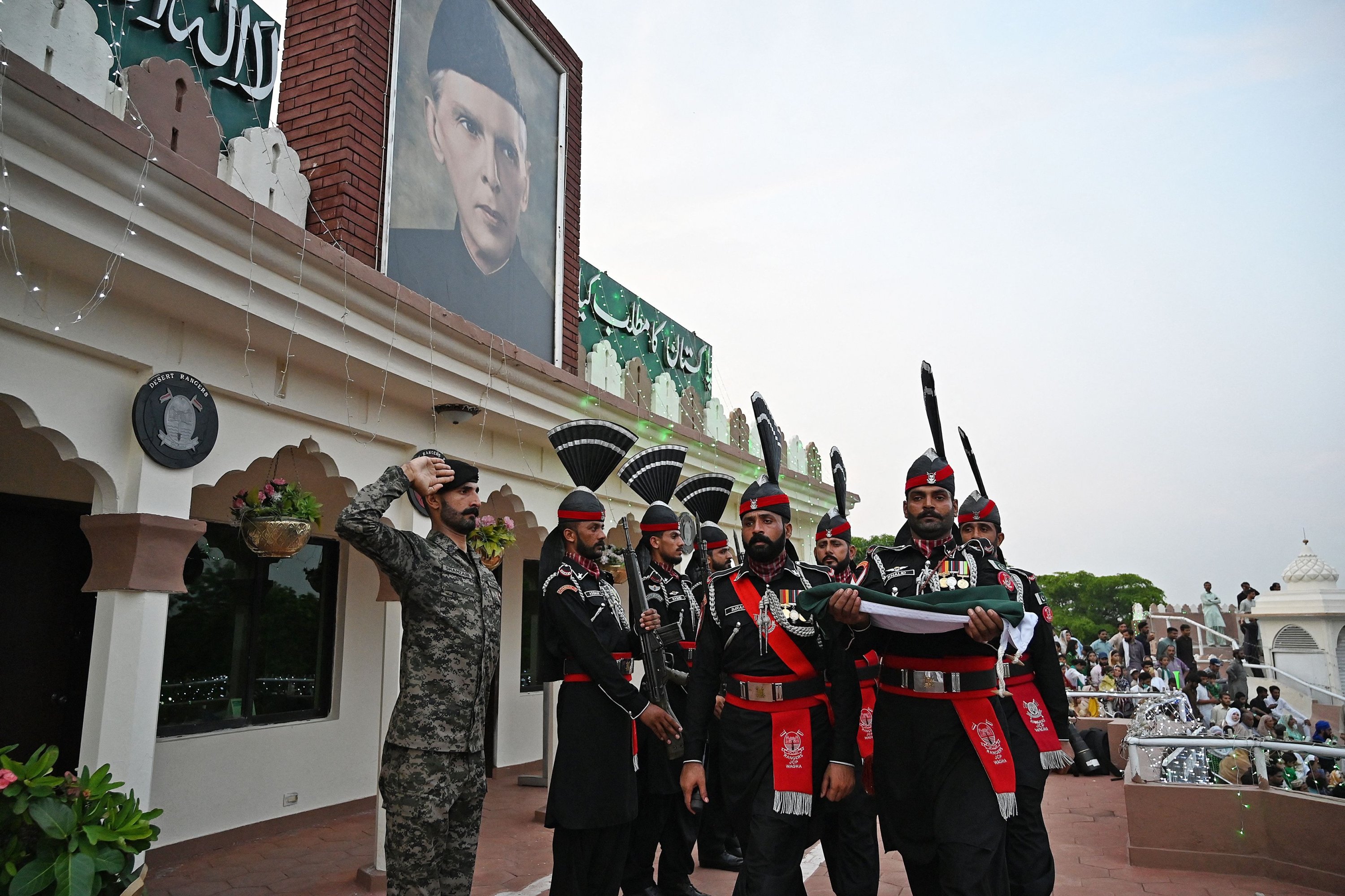
In Lahore, commemorative events are held near the mausoleum of the poet and philosopher Muhammad Iqbal, as well as at military memorials. Military representatives lay flowers and pay military honors.
Salutes, Flags, and Military Ceremonies
One of the most prominent elements of Defense Day is the military ceremony. In Pakistan’s capital, 31 artillery salutes are traditionally fired on this day, while in provincial capitals, 21 salutes are fired. This is part of the official program for the commemorative date. The national flag is raised at military facilities and units. Representatives of the armed forces participate in ceremonies honoring fallen comrades.

In previous years, various cities also hosted exhibitions of military equipment, themed events, and public ceremonies. These events highlight the history of the army, showcase military gear, and honor prominent military figures. At the same time, Defense Day should not be confused with Pakistan’s main military parade. The large, nationwide military parade is traditionally associated with Pakistan Day on March 23, whereas September 6 is primarily a day of remembrance.
Day of Remembrance for the Fallen
In modern Pakistan, September 6 is increasingly referred to not simply as Defense Day, but as Defense and Martyrs Day. This underscores not only military victory or the defense of the territory, but also the cost of war. On this day, fallen soldiers and their families are specially commemorated. Government officials visit memorials, lay wreaths, and deliver speeches. Their addresses often highlight the courage of the military and society’s readiness to support the army.

For example, in 2025, official events included a changing of the guard at Jinnah’s mausoleum in Karachi and a ceremony at Iqbal’s mausoleum in Lahore. Radio Pakistan also reported on artillery salutes and special prayers held across the country. In Lahore, during one of the 2023 commemorative events, the Hilal-i-Istiqlal flag was unfurled, a moment of silence was observed, and ceremonies were held to honor those who died in the 1965 war.
Patriotic Music and TV Programs
A separate part of the celebrations consists of informational and cultural programs. State television channels and radio stations broadcast special programs dedicated to the 1965 war, the military, and the country’s history. Patriotic songs are played. Interviews are conducted with veterans and the families of fallen soldiers. Archival footage and documentary materials about the war are also shown.

Songs that were popular during the 1965 war also hold an important place in the history of Defense Day. One of the most famous performers of that period was the Pakistani singer Noor Jehan. Her patriotic songs have become part of the cultural memory of the war. Today, these songs are often played on the radio specifically in September. In this way, the memory of the war is passed on to future generations not only through official ceremonies but also through popular culture.
What Happens in 2026
In 2026, Pakistan’s Defense Day falls on September 6, a Sunday. Since this is an annual date, it does not need to be adjusted based on the day of the week. It is important to note that Defense Day has the status of a commemorative date but is not a separate national holiday. On the 2026 calendar, it is marked as an “observance,” meaning an officially recognized date. This year, people will still have Sunday off, but not because of Defense Day itself.

The main traditions remain unchanged: prayers, commemorative ceremonies, wreath-laying, military events, patriotic programs, and honoring the fallen. The focus will be on the events of the 1965 war and the military personnel whom Pakistan considers heroes of the nation’s defense. Official speeches also typically emphasize social unity and the need to defend the country’s sovereignty.
Interesting Facts About Defense Day
September 6 is not the only military commemorative day in September in Pakistan. On September 7, the country celebrates Air Force Day, and on September 8, Navy Day. Both dates are also linked to the 1965 war.
Another interesting point is that the mausoleums of national figures play a special role on Defense Day. In Karachi, it is the mausoleum of Muhammad Ali Jinnah, and in Lahore, the mausoleum of Muhammad Iqbal. It is there that ceremonies involving military personnel take place.
This commemorative date is also closely linked to the concept of “September Spirit.” In official Pakistani rhetoric, this term refers to the courage, resilience, and readiness of society to defend the country. The President of Pakistan has used this concept in his addresses as a symbol of national unity.
Defense Day also has a strong media dimension. During this period, television and radio stations revisit wartime archives, show historical footage, and feature stories about military personnel. Commemorative programs can last all day.
Another distinctive feature is the combination of military and religious ceremonies. Prayers and recitations from the Quran take place alongside military honors. For Pakistan, where Islam plays an important role in public life, this form of commemoration is traditional.
Why This Day Is Important for Pakistan
Defense Day remains one of Pakistan’s most prominent military and patriotic commemorative dates. For the government in Islamabad, it is an opportunity to recall the events of 1965 and honor the soldiers who died during the conflict. At the same time, this day is significant not only because of specific military operations. It has become part of Pakistan’s broader national history, in which the army, border defense, and the memory of the fallen hold a special place.
Every year, the government uses this date to speak about the country’s unity and its readiness to defend its independence. Speeches by military officials and politicians often emphasize that the experience of 1965 should serve as an example for future generations. At the same time, it is important to view the history of the 1965 war as a complex Indo-Pakistani conflict, rather than solely through the official narrative of one side. It was the war over Kashmir that served as the key backdrop for the escalation, and hostilities eventually spread across a significant portion of the border between the two countries.

For modern-day Pakistan, September 6 remains, above all, a day of remembrance. People honor the fallen, military personnel, and veterans, and the state holds ceremonies to preserve the memory of the events of 1965.


