
Tibetan commits self-immolation near UN headquarters in New York — The Japan Times
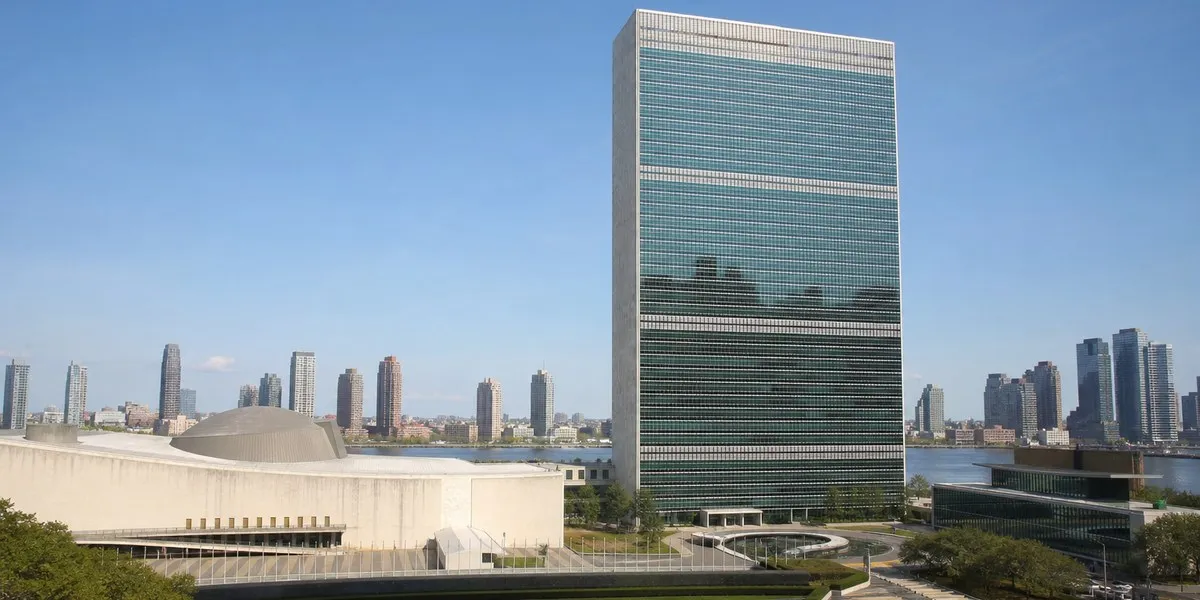
Tibetan Lobga Rangzen committed self-immolation near UN headquarters in New York, United States, on July 2. As The Japan Times reports, before his death he published a video in which he condemned China’s Law on Promoting Ethnic Unity and Progress, which had entered into force the previous day. The man called the law an erasure of Tibetan identity and appealed to Tibetans in exile to take responsibility.
Reaction following Rangzen’s death
Tibetan communities in various countries held marches and demonstrations for several weeks after Rangzen’s death. CNN and Radio Free Asia reported on the event, the spokesperson for the UN secretary-general expressed condolences, and the US State Department confirmed its support for Tibetans.
The article notes that the UN General Assembly adopted resolutions on Tibet in 1959, 1961, and 1965. The 1961 resolution explicitly mentioned the right of Tibetans to self-determination. After the People’s Republic of China took China’s seat at the UN in 1971, the Tibet issue disappeared from the organization’s agenda.
More current news is available on the UA.News Telegram channel Telegram.
Activism by Chinese-language groups
The author of the publication, Ginger Duan, founder of the Chinese Youth Stand for Tibet platform, argues that international pressure has not changed Beijing’s position, which describes Tibet as an inseparable part of China. She considers it important to develop activism among ethnic Chinese who raise the issue of Tibet in Chinese and on Chinese platforms.
Duan also reports that a year ago, China’s state security police in the city of Changsha detained 22-year-old student Zhang Yadi, who was studying in France. She was suspected of inciting separatism through writing and editing materials for the bilingual Han-Tibetan platform Chinese Youth Stand for Tibet.
According to data from budget reports of the Tibet Autonomous Region cited in the article, local revenues amounted to 31.8 billion yuan in 2025, while expenditures reached 310 billion yuan. Central transfers totaled 253.88 billion yuan, accounting for more than 80% of the region’s budget.




