
Oil prices have risen due to escalating tensions in the Middle East
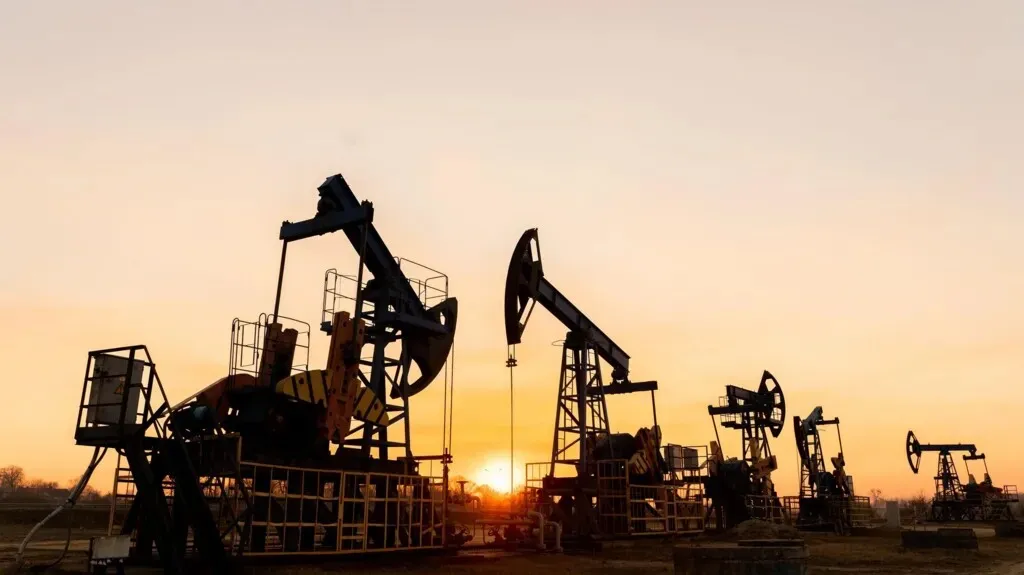
Oil prices rose by more than $1 per barrel at the start of trading on Wednesday, September 9. This was due to a renewed escalation of hostilities in the Middle East and growing concerns about potential disruptions to energy supplies.
Brent futures rose 1.4% to $99.33 per barrel.
At the same time, the price of West Texas Intermediate (WTI) crude oil also rose by 1.4% to $94.34 per barrel.
As a result, the price of Brent is rapidly approaching the psychological threshold of $100 per barrel.
Overall, Brent has risen by about a quarter since the beginning of August. Investors are increasingly losing hope for a quick end to the conflict, which has been ongoing for six months, while fighting in the region has intensified again.
On Tuesday, the situation in the Middle East escalated further. Iran-backed Yemeni Houthis launched strikes on several cities in Saudi Arabia, drawing the U.S. ally even deeper into the conflict.
At the same time, U.S. forces attacked several Iranian oil tankers, and Iran announced a strike on a U.S. military base in Jordan.
Analysts believe that this new wave of attacks may continue to affect oil prices.
“Recent events only reinforce the view that we are still far from resuming peace talks. Meanwhile, the market will likely continue to factor in a significant risk premium into prices,” ING analysts note.
The new attacks pose the risk of further reductions in oil supplies from the Middle East. Regional oil exports are already hampered by strikes on energy infrastructure and key maritime routes.
According to analysts, Saudi Arabia has rerouted part of its exports to bypass the Strait of Hormuz; however, sustained attacks on the kingdom’s territory could make it difficult to ensure stable supplies to the global market.
Some experts link the latest events to the risk of another major shock to the oil industry.
“Iran’s attacks on Saudi Arabia’s energy facilities and the subsequent destruction of five Iranian tankers have raised concerns about another prolonged disruption in oil supplies,” according to a report by OCBC analysts.
A further escalation of the conflict in the Middle East could keep oil prices high and increase risks for the global energy market.
This was reported by Reuters.
The day before, prices on the global oil market rose above $99 per barrel, reaching a three-month high. This occurred amid Houthi attacks on Saudi Arabia’s energy infrastructure, U.S. strikes on Iranian oil tankers, and renewed tensions in the Middle East.
In the U.S., stock indices closed lower on Tuesday: investors were concerned about a possible increase in inflationary pressure due to rising oil prices and were awaiting new inflation data.


