
Tusk backed Zelenskyy's new steps in relations with Poland
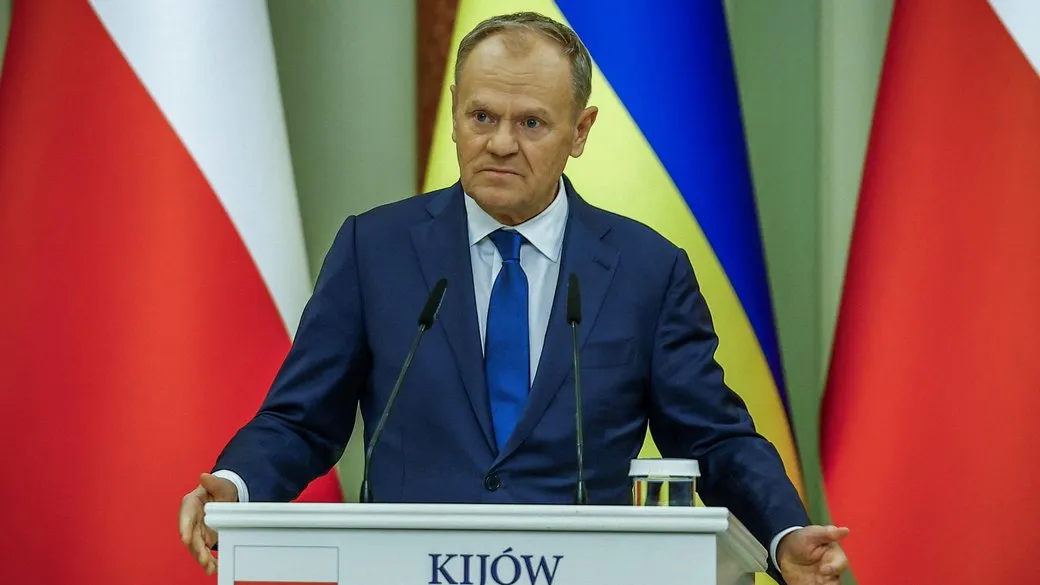
Ukrainian President Volodymyr Zelenskyy announced new steps to strengthen relations with Poland, and Prime Minister Donald Tusk has already welcomed these decisions. Specifically, these measures include opening archives and expanding search and exhumation efforts related to the tragic events of the past.
Warsaw has stated that it is ready for an open dialogue with Ukraine, based on mutual respect and historical truth.
Polish Prime Minister Donald Tusk responded to President Volodymyr Zelenskyy’s statement regarding the development of Ukrainian-Polish relations. On the social media platform X, he noted that he views the Ukrainian side’s decisions positively and sees them as an opportunity for further dialogue. “I welcome with pleasure and hope Zelenskyy’s words and decisions regarding relations between our countries, which should be based on mutual respect and truth,” Tusk wrote. According to him, Poland is ready to engage in a “serious and friendly dialogue” both on issues that unite the two countries and on matters that remain complex.
What Decisions Did Zelenskyy Announce?
The day before, Volodymyr Zelenskyy announced that Ukraine is preparing a series of decisions to deepen cooperation with Poland. Among them are:
- opening the archives of the Security Service of Ukraine (SBU) and the Foreign Intelligence Service pertaining to the tragic events of the 20th century in Volhynia;
- increasing the number of permits for search and exhumation operations.
Ukrainian authorities emphasize that these steps should aid in the study of historical events and promote constructive dialogue between the two countries.
Preparatory work is already underway in Volhynia
On July 10, the Ukrainian Institute of National Remembrance announced the start of investigations and the exhumation of the remains of residents of the villages of Ostrivky and Volia Ostrovetska, which are now part of the Kovel District in Volyn Oblast. These are people who died in August 1943. The work began on July 13 and will continue until August 7, 2026.
What Is Known About the Volyn Tragedy
According to the Ukrainian Institute of National Remembrance, the Ukrainian-Polish conflict during World War II and in the early postwar years unfolded under the influence of the Nazi and Soviet totalitarian regimes. Poland’s interwar policy toward the Ukrainian population also played a role. In 1930, on the orders of Józef Piłsudski, the so-called “pacification” of Ukrainian lands began, accompanied by arrests, beatings, and killings of Ukrainians.
The Volhynia Tragedy encompasses the events of 1943–1944, when ethnic cleansing and armed conflict between Ukrainians and Poles took place during the war. The Ukrainian Insurgent Army and the Home Army operated in a guerrilla war environment, which led to numerous civilian casualties on both sides. According to established data, approximately 30,000 Polish and 10,000 Ukrainian victims of those events have been identified. Historical assessments and questions regarding the number of fatalities remain the subject of research and debate among Ukrainian and Polish historians. He wrote about this on social media.
In Poland, for the first time since the Center for Public Opinion Research (CBOS) began conducting surveys, the number of people opposed to accepting refugees from Ukraine has exceeded the number of those in favor of such a decision. According to the survey, 52% of respondents believe that Poland should not accept refugees from Ukraine, while 42% hold the opposite view.


