
In Britain, archaeologists discovered part of a medieval castle beneath a courthouse
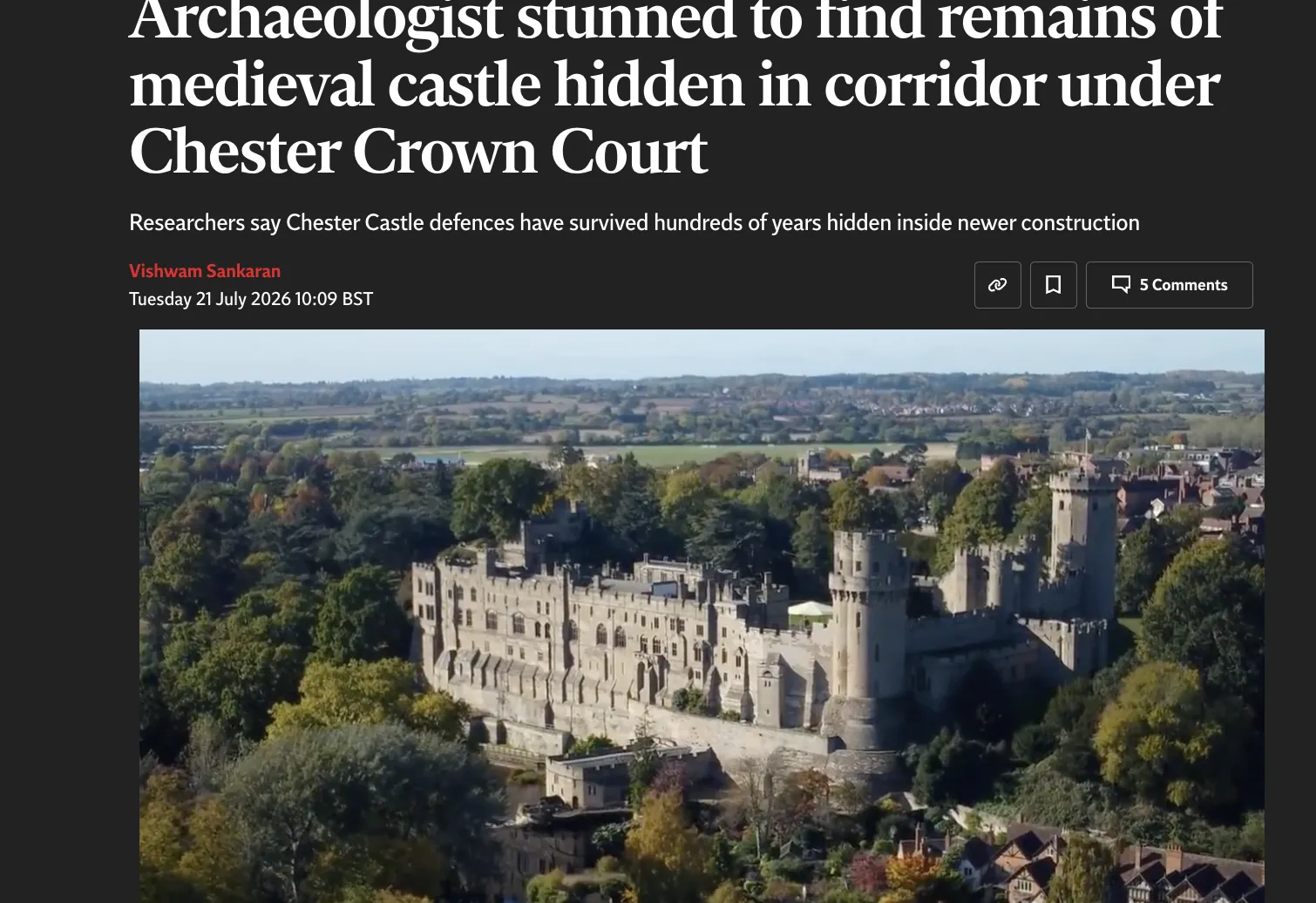
British archaeologists have uncovered 800-year-old remains of a medieval castle beneath the Crown Court building in Chester. The find was an unexpected discovery made during a survey of the site and has helped shed new light on the city’s history.
Archaeologists said the discovery was made by an expert who was examining the stonework at the end of a corridor beneath the courthouse.
When archaeologist Stuart Ainsworth raised his smartphone to illuminate the corridor, he noticed a sudden change in the masonry.
“Thanks to the light from my phone, I immediately realized that a large section of the wall ahead in the darkness was completely different. It turned at a right angle and disappeared from view, leaving a very dark, narrow crevice that I couldn’t squeeze through,” explained Dr. Ainsworth of the University of Chester.
By comparing the stones and construction techniques with the preserved parts of the Norman castle, the researchers concluded that the sections of the underground wall date back to the Middle Ages, rather than the 18th century, when architect Thomas Harrison built a significant portion of the existing prison and courthouse complex.
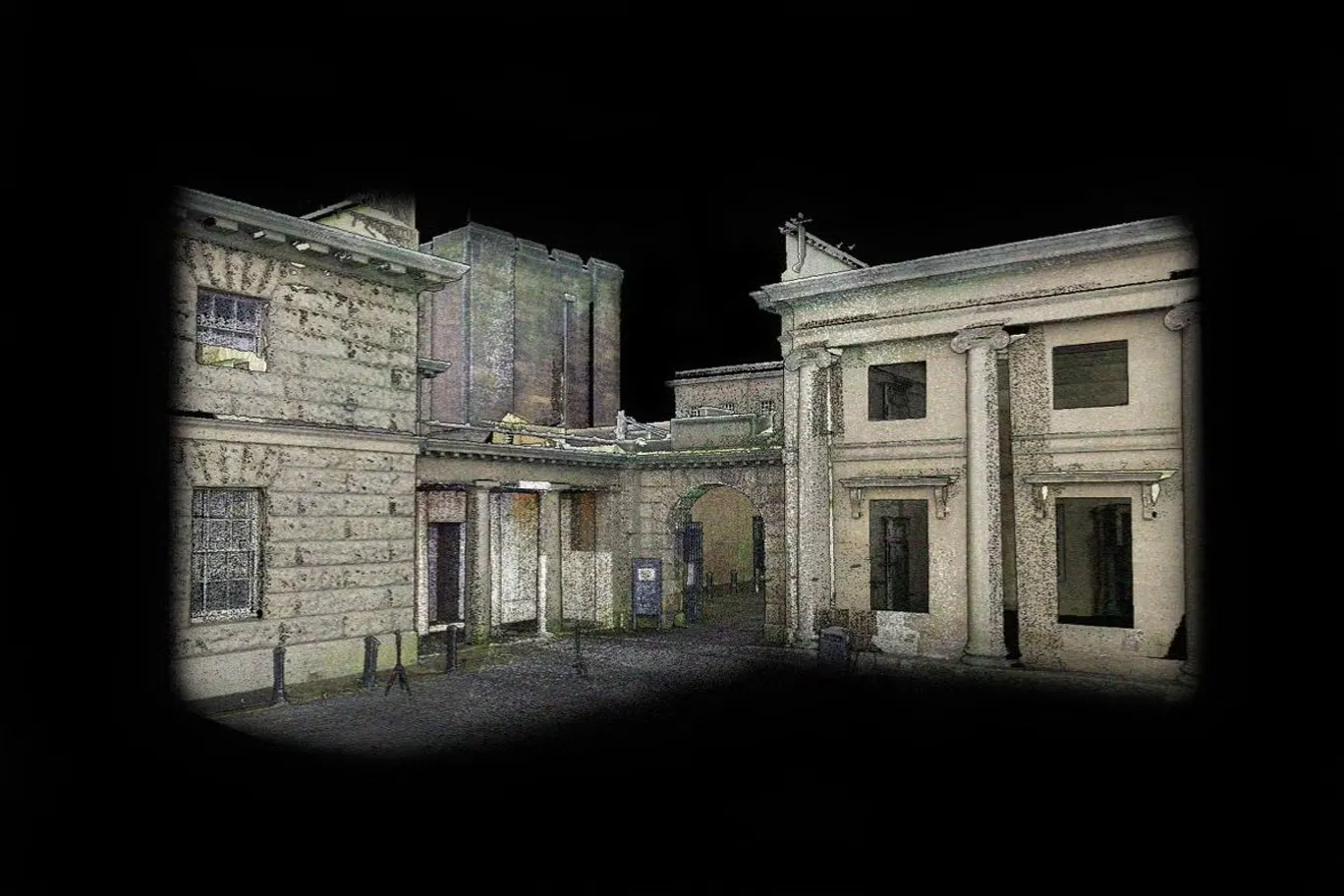
The medieval defensive structures of Chester Castle were hidden within the newer structure.
Archaeologists used digital scanners to pinpoint the location of the underground wall.
By comparing old maps and plans, they discovered that the wall was once part of a bridge built 800 years ago.
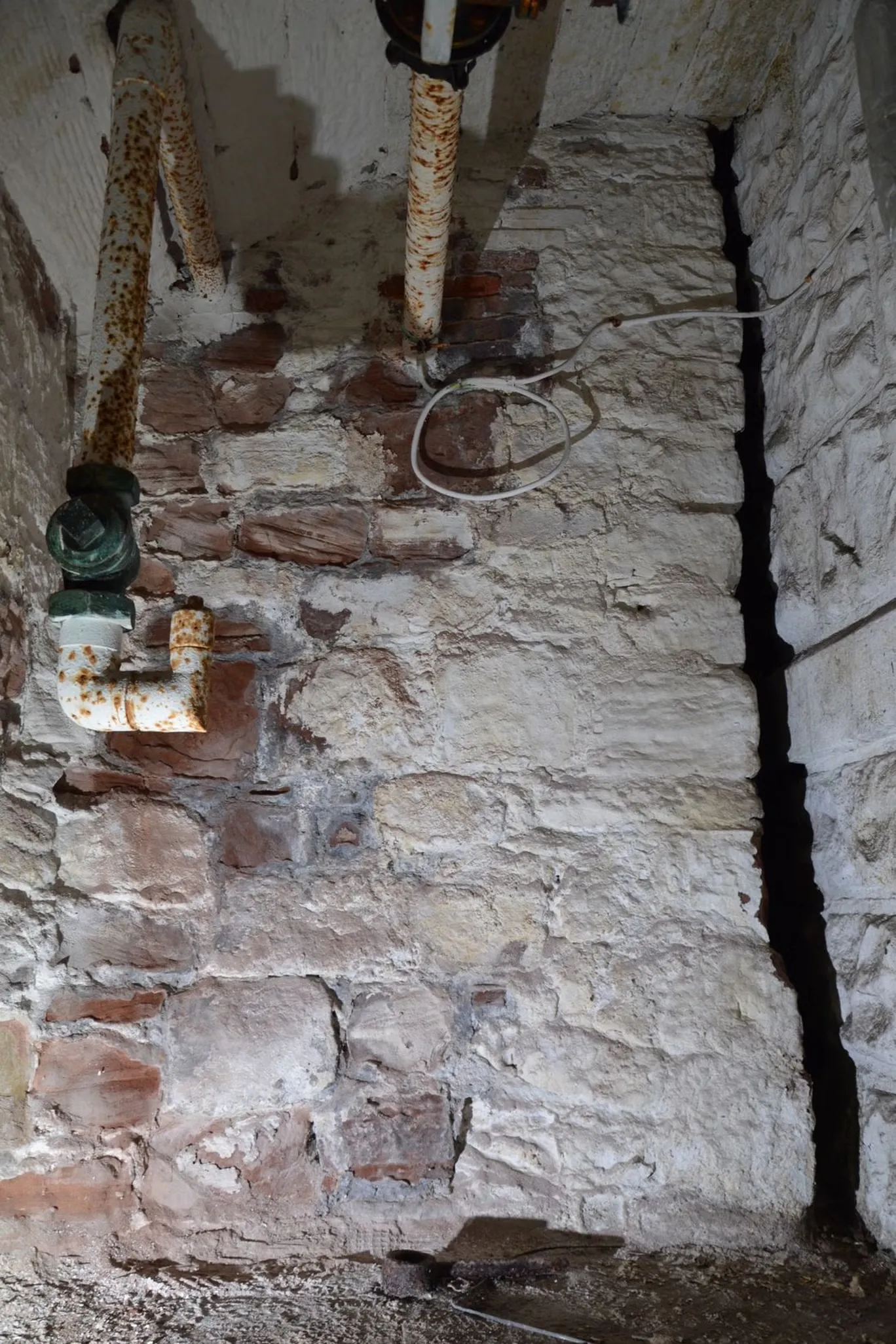
According to the researchers, the bridge spanned a deep moat that surrounded the castle’s heavily fortified inner courtyard.
The 13th-century gate leading to the castle was eventually destroyed.
This was reported by The Independent.
As a reminder, gold jewelry dating back to before the Bronze Age Catastrophe was discovered in Cyprus.
Near Halych, archaeologists have discovered unique medieval artifacts.


