
In Ghana, program participants discussed preparing seedlings for transplanting
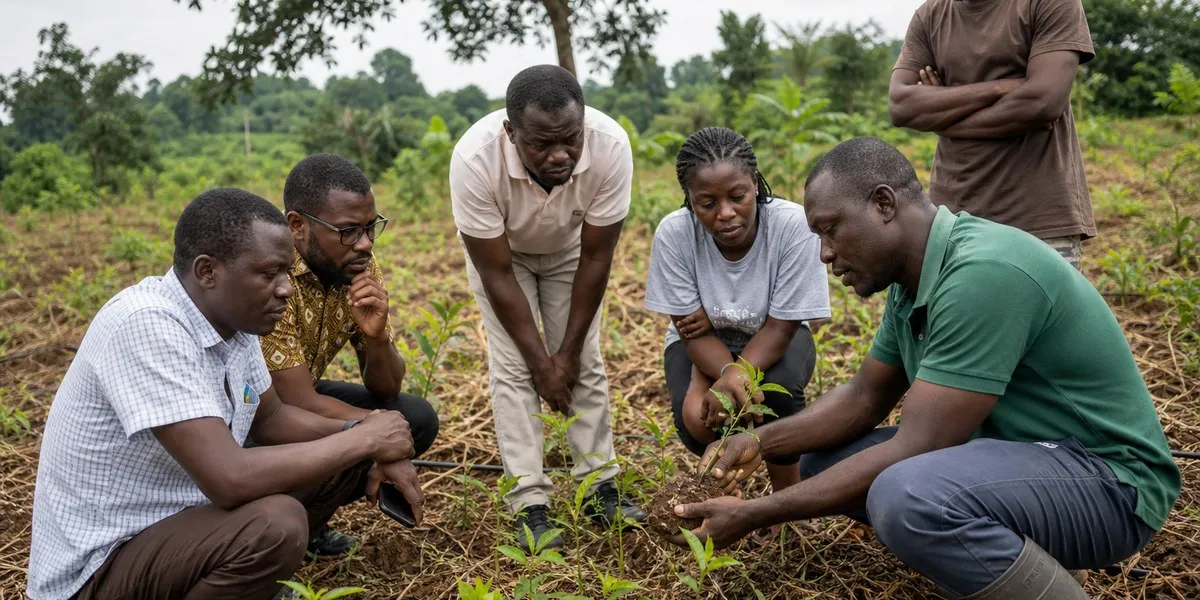
In Sunyani, Ghana, participants in the second experience exchange between representatives of the TerraFund and AFR100 programs discussed tree-planting practices, seedling care, and assessing their survival rate. One conclusion was that overly large seedlings grown in a nursery for a long time may adapt less well to wind and other natural conditions after transplanting, MyJoyOnline reports.
Dr. Eva Agana, Sustainability Manager at Talmond Limited, said that her organization sometimes kept seedlings in the nursery longer, believing that larger and more developed plants would have better chances of surviving after planting. At the same time, she said that excessive nursery cultivation can reduce seedlings' ability to adapt to conditions in the natural environment. She also noted that younger seedlings may become stronger over time.
Timing, location and care
Akosua Pokuaa Yeboah, Field Assistant at Tropenbos Ghana in Kumasi, stressed that the proper time for planting should be determined in advance and the terrain of the site should be taken into account. According to her, seedlings planted directly in the soil in low-lying areas may suffer from flooding. To prevent plant losses, she recommended creating small earthen mounds.
More current news is available on the UA.News Telegram channel Telegram.
After being moved from the nursery, seedlings require monitoring, as they may experience transplant shock. If a plant dies, the cause must be identified before it is replaced: it may be pest damage or transplant stress. Participants refer to the practice of replacing dead seedlings as replanting.
Community incomes and financing
Okyere-Boateng Yaw Junior, a representative of Obaatanpa Nyame Nti Ltd, said that establishing plantations and agroforestry can combine land restoration with supporting the incomes of communities living near forest reserves. According to him, the Institute of Nature and Environmental Conservation (INEC) organized a plantation visit for participants, where they learned to carry out replanting and establish sample plots to assess survival rates.
Eric Lartey, Landscape Restoration Manager for the Ghana Cocoa Belts program at the World Resources Institute (WRI), said that restoration projects had largely been funded by charitable grants, but that this was insufficient for their sustainability. According to him, WRI is considering using grants to attract additional private investment, including through results-based financing. Lartey also emphasized the need to involve local communities, traditional structures and local government bodies in restoration.


