
Putin Wants More Ukrainian Territory in Exchange for Ending the War — FT
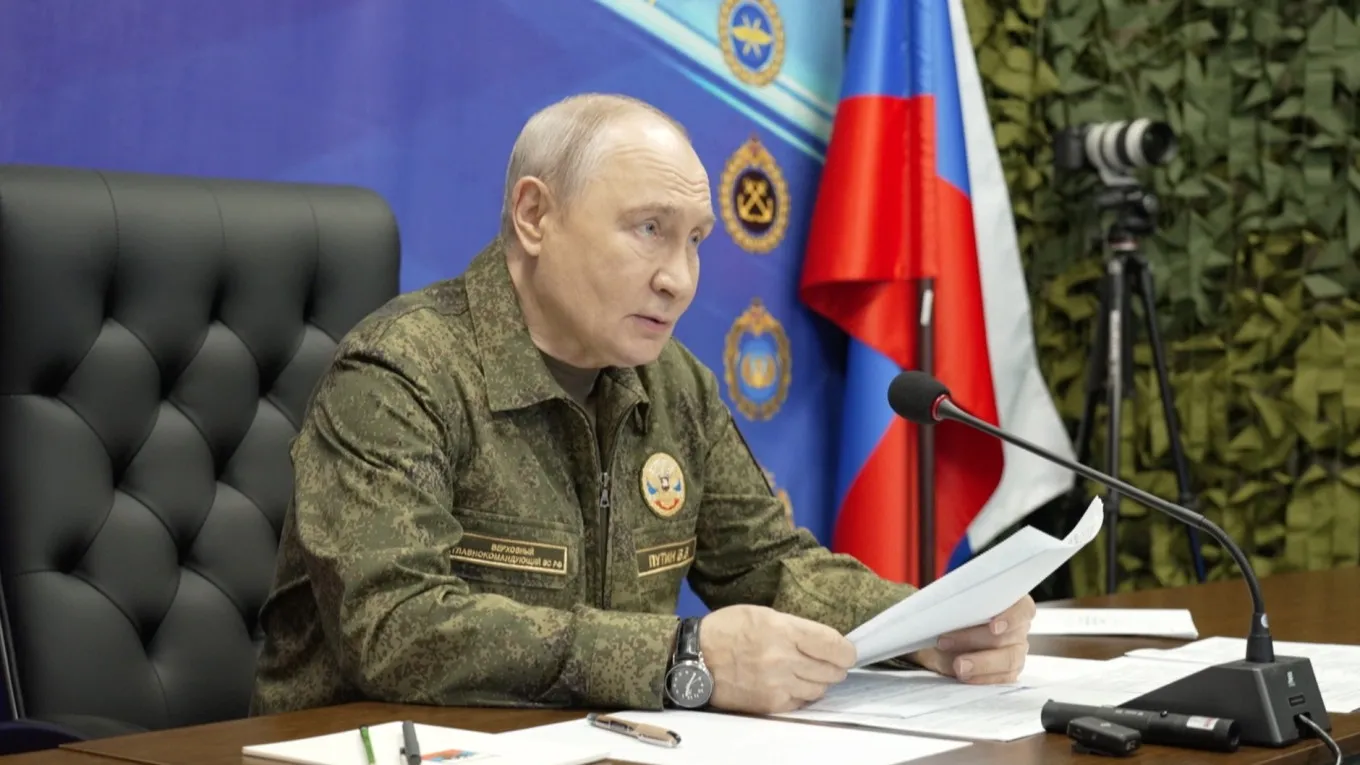
Vladimir Putin is demanding that Ukraine hand over the unoccupied part of Donbas as a precondition for a ceasefire. But the Kremlin’s territorial claims may not stop there: according to the Financial Times, as part of a final peace agreement, Moscow hopes to secure other concessions from Kyiv. At the same time, there are concerns in Europe that Russia and the U.S. may be discussing a new security architecture without the participation of European countries.
According to the publication’s sources, Putin views the transfer of the unoccupied part of Donbas to Russia merely as a precondition for a ceasefire. As part of a final agreement, the Kremlin may demand additional territorial concessions from Ukraine. Moscow is also counting on reaching agreements with NATO regarding security guarantees.
As the FT reports, Putin is trying to capitalize on U.S. President Donald Trump’s desire to end the war as quickly as possible. According to the publication’s sources, the Kremlin aims to use the negotiations not only to gain territory but also to weaken the positions of Ukraine and Europe.
Why a Ceasefire Is Unlikely in the Near Future
Sources interviewed by the Financial Times believe that the talks in Abu Dhabi, set to begin next week, are unlikely to lead to an immediate ceasefire. According to them, Putin is trying to maintain his advantage on the front lines and plans to intensify pressure on Ukraine with massive strikes this winter. One of the publication’s sources described the Kremlin’s possible logic as follows: “I will destroy all your infrastructure until you agree. By next year, Ukraine won’t have any infrastructure left. All bridges, ports, railways, energy infrastructure, power plants… will be destroyed.”
This is not a direct quote from Putin, but rather an account by an FT source of how he assesses the Russian leader’s intentions. Meanwhile, the U.S. says it is working on future agreements regarding the security of Ukraine and Europe. Donald Trump’s son-in-law, Jared Kushner, reported that Washington had held “productive and substantive” talks with Ukraine, NATO, and European partners.
According to him, the parties discussed security guarantees for Kyiv and the future security architecture in Europe. The U.S., as Kushner explained, aims to develop practical proposals that will take into account the positions of all participants and lay the foundation for lasting stability on the continent. However, in Moscow, according to one of the FT’s sources, the shift in focus from territorial issues to security guarantees is seen as an opportunity to drag out the negotiations. While diplomats discuss future agreements, Russia may continue to exert pressure on Ukraine through military means.
Europe fears agreements reached without its participation
European countries are particularly concerned about the possibility of discussing a new security architecture for the continent as part of negotiations to end the war. European governments fear that Moscow will attempt to regain influence over Eastern European countries and curtail their sovereignty. They also do not rule out the possibility that the Trump administration might reach an agreement with Russia on issues directly related to European security without taking into account the position of the European states themselves.
One European official called Kushner’s statement on security negotiations unexpected. He emphasized that there should be no separate, parallel negotiations on European security until the war against Ukraine ends. “There will be no parallel negotiations on European security issues until the war [against Ukraine] ends. Moreover, we know what the Russians mean when they talk about this, and it won’t happen,” the source told the publication.
At the same time, Kushner reported that the U.S. is working with both Ukraine and Russia on “serious proposals.” According to him, this should make the upcoming trilateral talks as substantive and productive as possible.
Trump Announced a “Major Deal”
Statements about possible agreements came after Donald Trump’s meeting with Kirill Dmitriev, a representative of Vladimir Putin. After the conversation, the U.S. president stated that he expects a “big, beautiful deal” regarding Ukraine. According to him, it could concern not only Ukraine but all of Europe. Trump also added that “everyone will be simply thrilled” by such an agreement.
These remarks have raised concerns among European institutions. A European Commission spokesperson emphasized on Friday that decisions on European Union security matters must be made by the EU itself. Thus, future negotiations will not be limited to ending hostilities in Ukraine. Also at stake are territorial issues, security guarantees for Kyiv, and the role of European countries in shaping the future security order on the continent. The Financial Times reported on the Russian leader’s new demands, citing two individuals who are working through unofficial channels to help bring the war to an end.
Ukrainian Foreign Minister Andriy Sibiga outlined the key principles that the Ukrainian government will follow as it prepares for a new round of peace talks.
Lithuanian President Gitanas Nausėda believes that the prospects for serious peace talks to end the war in Ukraine will not improve until at least 2027. According to him, Russia will focus on increasing pressure on Ukraine throughout the winter and will not be ready for the negotiation process.




