
Ghana urged to speed up launch of Women’s Development Bank
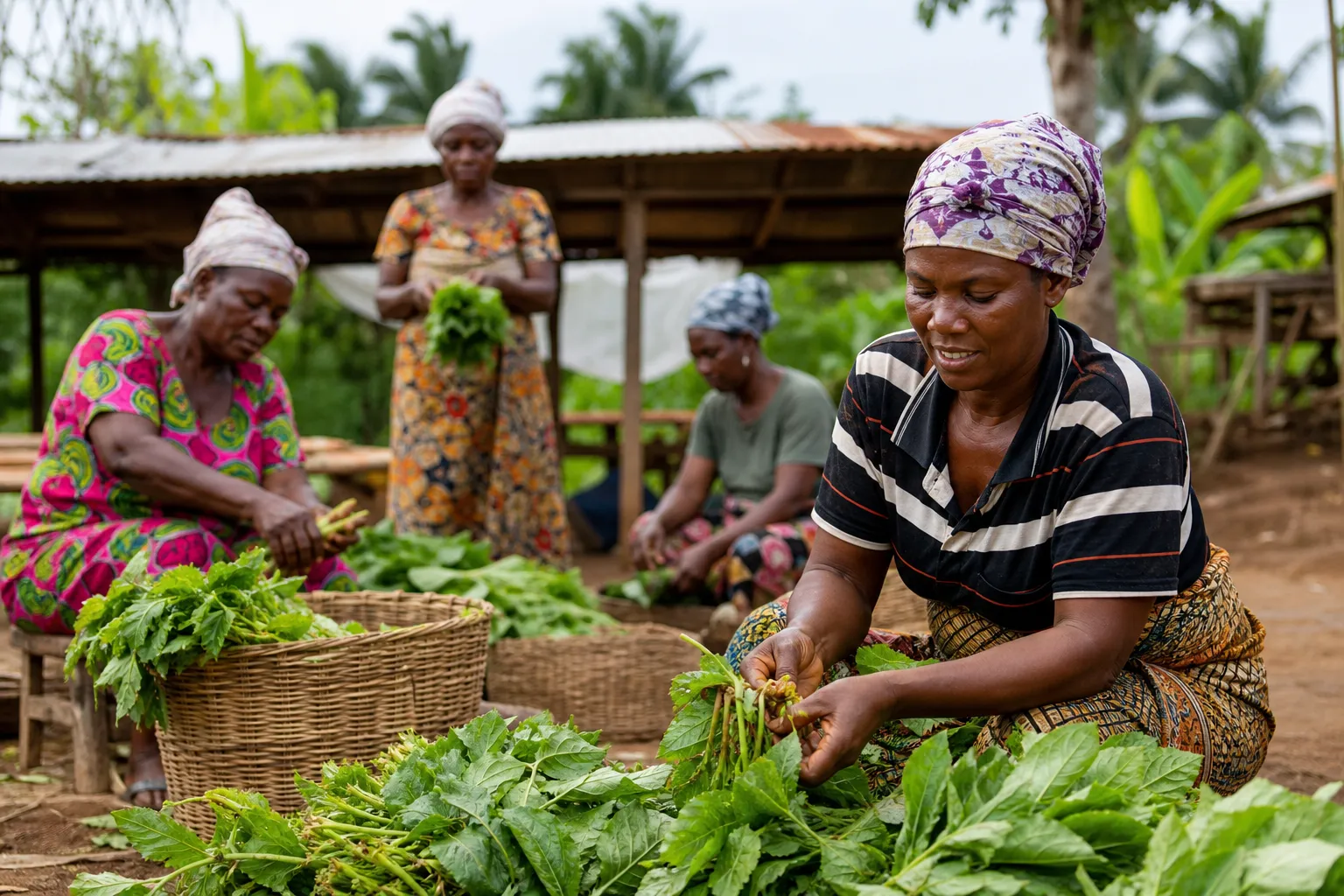
In Ghana, the women’s rights network NETRIGHT has called on the government to accelerate the launch of the Women’s Development Bank and ensure its accessibility for rural businesses, primarily enterprises owned by women, young people and members of marginalized groups. This was reported by MyJoyOnline.
NETRIGHT Secretariat Head Patricia Blankson Akakpo made the statement at a forum dedicated to promoting inclusive and gender-responsive budget priorities through citizen engagement. She stressed that the bank must remove systemic barriers that make it difficult for women to obtain funding from traditional banks and financial institutions.
Funds included in the budgets
The Ghanaian government allocated 51.3 million Ghanaian cedis in start-up capital for the establishment of the bank in 2025. Another 401 million cedis is included in the 2026 budget to mobilize financing for women-owned micro, small and medium-sized enterprises.
In total, 452.3 million cedis was allocated for these purposes in the 2025 and 2026 budgets. However, the Women’s Development Bank has still not begun operations, raising concerns among rural women, entrepreneurs and business owners awaiting access to its services.
More current news is available on the UA.News Telegram channel Telegram.
Requirements for the bank’s operations
According to Akakpo, alongside budget allocations, it is necessary to define the bank’s mandate and structure, its target beneficiaries and the procedure for selecting beneficiaries. NETRIGHT also raises the question of whether the new institution will be able to address issues of collateral, documentation and high interest rates that have previously limited rural women’s access to financial services.
The organization submitted recommendations for the 2027 budget to the Ministry of Finance. These include the use of women-friendly financial mechanisms, including rural savings and loan associations, as well as transparent allocation of funds with the publication of disaggregated data.
Proposals for agriculture
NETRIGHT also stated that agricultural programs lack specific targets, indicators and data to assess outcomes for women, young people and marginalized groups. Akakpo recommended directing approximately 40–50% of agricultural programs to women in accordance with the Affirmative Action Act. She also called for linking state school feeding programs and the National Food Buffer Company with cooperatives of women producers in order to improve their access to markets.


