
Ghana warns against choosing one indigenous language as national
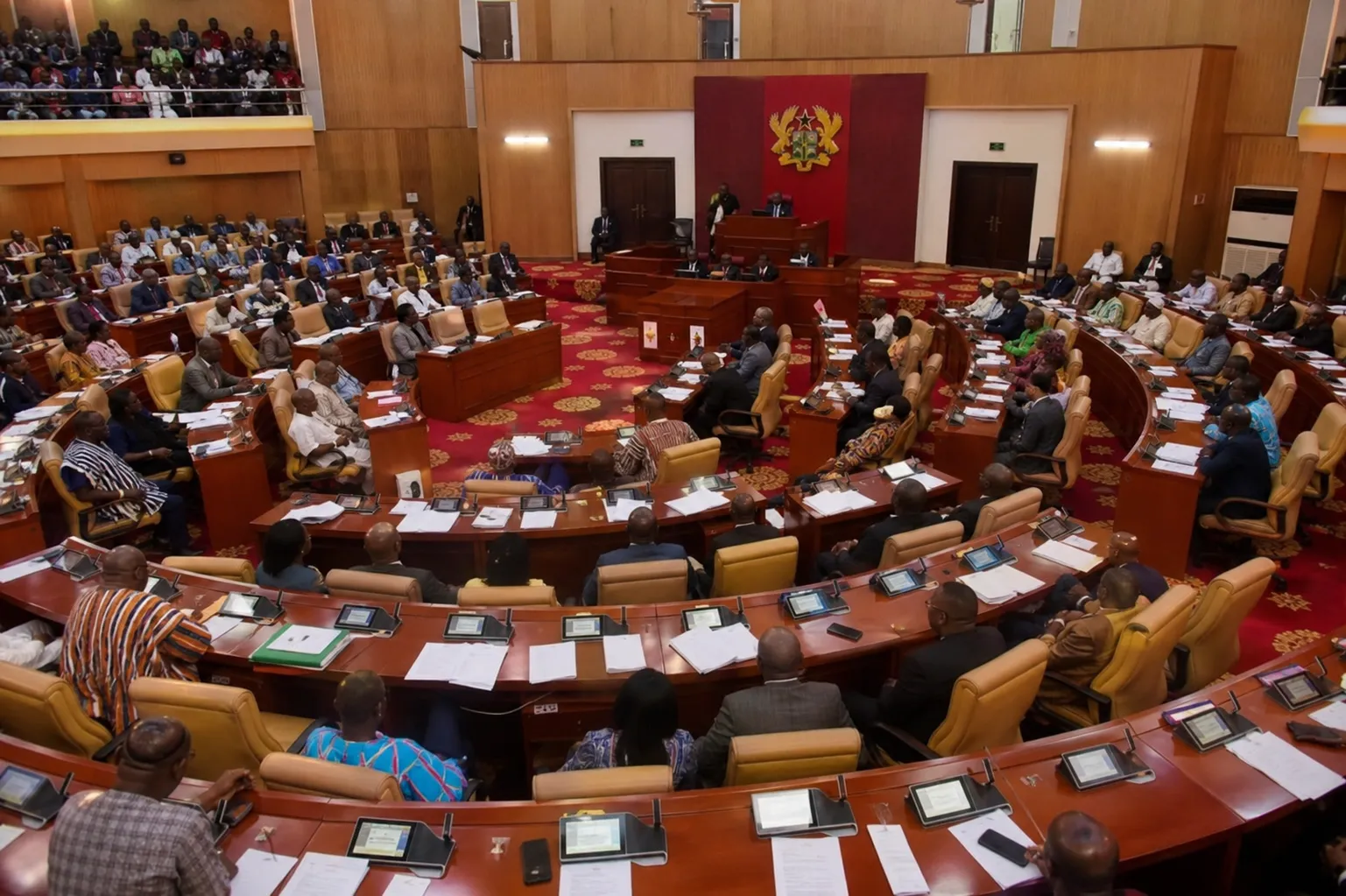
Ebenezer Ahiator, Executive Secretary of the Ghana Languages Bureau, told the parliamentary committee on chieftaincy, culture and religious affairs that the country should not choose one indigenous language as a national language. As MyJoyOnline reports, speakers of other languages may view such a decision as assigning their languages secondary status.
The discussion quickly moved beyond linguistics and encompassed colonial history, politics and ethnic identity. One of the languages being discussed in the context of possible nationwide use is Twi.
Discussion about the Twi language
The author notes that Twi, in its various forms, has become widespread beyond Akan communities. It is used in markets, transport, churches, on radio, in workplaces and in everyday communication.
At the same time, widespread use of a language does not mean its nationwide acceptance. Critics of granting special status to one language point to Ghana's linguistic diversity, where Ewe, Ga, Dagbani, Dagaare, Gonja, Nzema, Fante, Kasem, Gurene, Dangme and Likpakpaanl are also widely spoken.
More current news is available on the UA.News Telegram channel Telegram.
The role of the English language
The author of the publication notes that English dominates the work of parliament and courts, official correspondence, education, employment and examinations. In his view, although English is not associated with any ethnic group in Ghana, it has considerable social influence.
Article 39(3) of Ghana's Constitution requires the state to promote the development of Ghanaian languages and pride in Ghanaian culture. Parliament's standing orders allow lawmakers to speak Ghanaian languages when interpretation is available. Speaker of Parliament Alban Bagbin has also publicly advocated for wider use of local languages during parliamentary sittings.
The article proposes considering a multilingual approach: retaining English as an important international and administrative language while expanding the use of several indigenous languages in parliament, government communications and education.


