
In Japan, deliberately not “reading the atmosphere” can sometimes be a strategic decision
The Japanese expression kūki ga yomenai, which literally means “not being able to read the air,” describes a person who does not recognize the social atmosphere and unspoken expectations. In everyday use, it is close to the English expression “not reading the room,” but in some work situations, refusing to follow such expectations can be useful, The Japan Times writes.
Unspoken rules
The word kūki in this expression means not physical air, but the atmosphere created by people and circumstances. An inability to “read” it may be evident when someone speaks during a general silence, jokes at a serious moment, or raises a topic that others silently avoid.
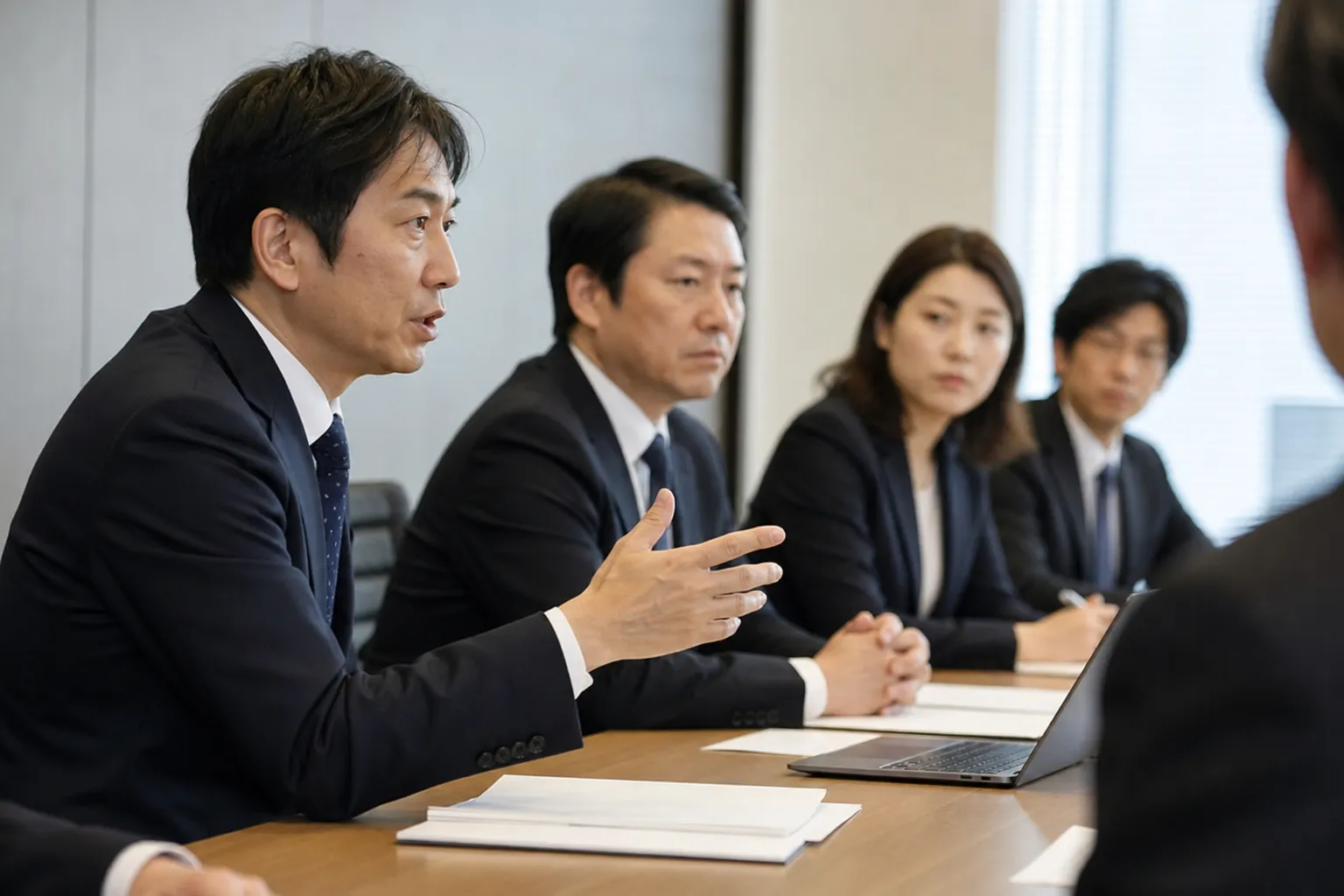
The author of the article described the experience of her husband, who was working on management reform at a Japanese company. He was hired directly by the CEO, and as the only foreign executive at meetings, he was able to speak directly. During one such meeting, no one voiced a sensitive problem, although it was creating a tense atmosphere. The author’s husband stated directly that the issue should be discussed.
About a year later, a senior manager told him that this move had been appreciated. According to the manager, the Japanese executives were aware of the problem, but hierarchy and group dynamics made it difficult for them to speak out.
More current news is available on the UA.News Telegram channel Telegram.
Inability and conscious choice
The expression kūki ga yomenai is also shortened to KY, from the first letters of its romanized spelling. The abbreviation became popular in Japan in the 2000s and can characterize a person who does not notice social signals that are obvious to those around them.
At the same time, Japanese distinguishes between an inability to understand a situation and a conscious refusal to act according to its unspoken rules. The form kūki o yomanai means “not reading the atmosphere” as an intentional choice. In the example cited, the foreign executive understood both the problem and his role as an outsider able to say what others did not dare to say.
Japanese also has the verb sassuru, meaning “to guess” or “to sense.” It mainly refers to understanding another person’s feelings, intentions, or needs without direct explanation, whereas “reading the atmosphere” is connected to the expectations of a particular social situation.


