
Migration crisis in Ceuta worsens after mass border crossing — Politico Europe
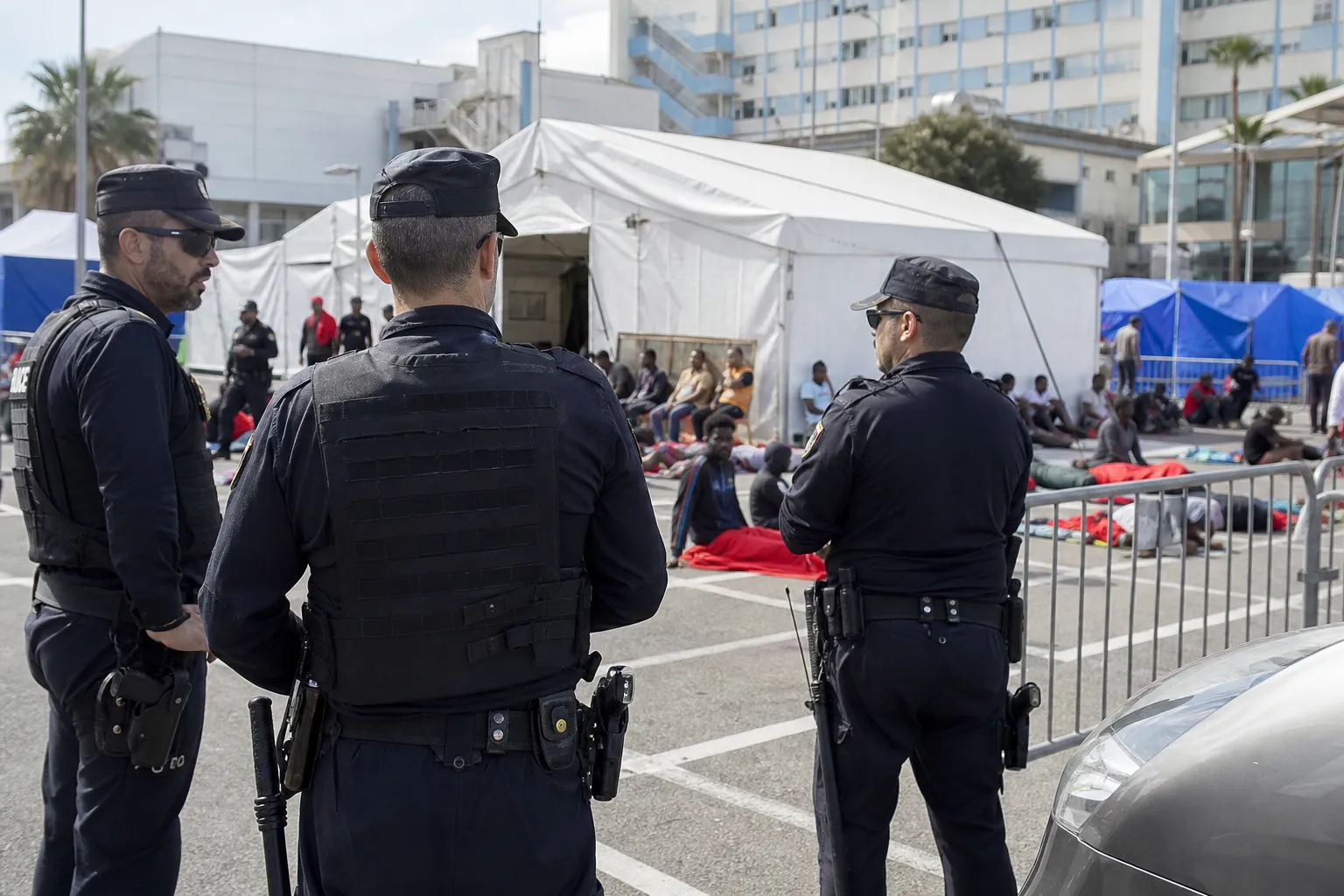
Spanish police fired shots into the air on Monday while trying to clear several thousand young men from a camp in a parking lot near the city hospital in Ceuta, a Spanish exclave in North Africa. Using batons, law enforcement officers directed migrants toward the city center, Politico Europe reports.
Spanish Prime Minister Pedro Sánchez said that around 5,000 migrants remain in Ceuta following the mass crossing from Morocco. Earlier, Spanish and European officials said that almost all of the 72,000 people who crossed the border had already left the city. At the same time, Ceuta’s mayor-president, Juan Jesús Vivas, claims that approximately 10,000 people without permission are in the city; this estimate was supported by the CEP police union and National Police officers who spoke with journalists.
According to Sánchez, those remaining include around 1,200 unaccompanied minors. They are to be transferred to shelters on the Iberian Peninsula in the coming weeks. The head of government promised to resolve the crisis “with dignity” and in accordance with the law. Migrants may apply for asylum, and consideration of such cases may delay deportations. Sánchez also said that people who arrived for economic reasons would not be eligible for asylum and would be subject to removal.
Clashes and investigation
Last week, several Spanish military personnel were injured when a group of about 40 young migrants threw stones at them. In another incident, police detained three migrants on suspicion of throwing Molotov cocktails at a unit patrolling the exclave.
More current news is available on the UA.News Telegram channel Telegram.
Police also protected migrants after local protesters stormed their makeshift camp at El Trampolín beach and set their belongings on fire. Ceuta’s prosecutor’s office said on Monday that it was investigating 22 alleged sexual assaults against migrant women and girls, as well as a separate case involving a man from the LGBTQ+ community.
CEP union representative Sebastián Zützl said crime in the exclave had increased eightfold since July 30, but provided no evidence. Spain’s Interior Ministry neither confirmed nor denied this assessment, stating that it had not yet received the latest crime statistics from Ceuta. At the same time, Attorney General Teresa Peramato, after visiting the city, confirmed an increase in criminal assaults and crimes against private property over the past month.
Government response
One-third of government ministers were summoned to extraordinary parliamentary hearings on the situation in Ceuta. Basque Nationalist Party lawmaker Mikel Legarda accused the government of negligence regarding the factors behind the crisis and inaction in restoring normal life in the city.
On Tuesday, Sánchez’s government presented a €309 million support package for Ceuta. The funds are planned to be directed toward strengthening security infrastructure, public services, assistance for local businesses, and humanitarian support for migrants.


