
More than 650 rare mountain yellow-legged frogs released in California — Mongabay
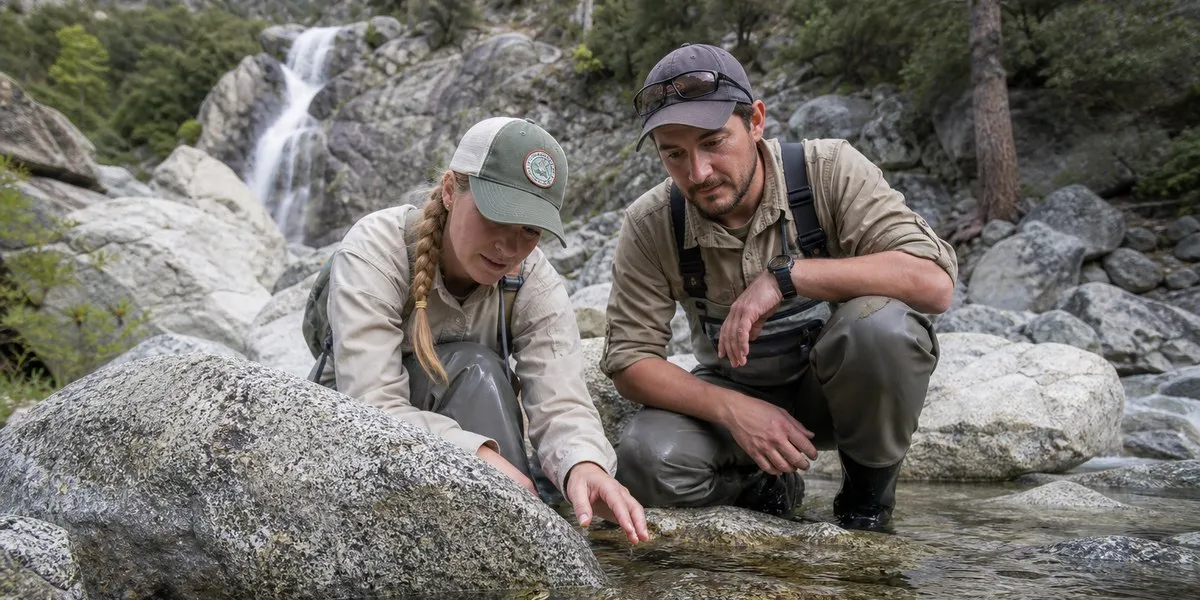
Conservation organizations released more than 650 southern mountain yellow-legged frogs, Rana muscosa, into the wild in the San Gabriel Mountains in California in August. Nearly 400 of them were raised at the Aquarium of the Pacific. The Los Angeles Zoo and the U.S. Geological Survey also took part in the release, Mongabay reports.
Frogs were raised in captivity
The Aquarium of the Pacific has been breeding this species since 2021 as part of a multiyear conservation program. Tadpoles for this year's release were delivered from the Los Angeles Zoo at the end of last summer. Throughout the winter and spring, they underwent metamorphosis in captivity, and by August most were ready for life in their natural environment.
The team transported the animals to two sites in the San Gabriel Mountains with fast-flowing streams and deep pools suitable for the species. Before the release, containers with the frogs were kept in the water for some time so the animals could adapt to its temperature. Individuals that had not completed metamorphosis by the planned date are expected to be released next summer at a larger size, as adults.
More current news is available on the UA.News Telegram channel Telegram.
Population declined by 98%
The southern population of Rana muscosa has survived in about 10 isolated locations in the San Jacinto, San Bernardino, and San Gabriel Mountains. During a 2023 survey, fewer than 200 frogs were counted there, while the population size had declined by about 98%.
The main threats to the species include introduced trout, habitat loss, climate change, and the chytrid fungus Batrachochytrium dendrobatidis. It affects the skin of amphibians and, according to researchers, has caused the extinction of about 90 amphibian species worldwide.
Specialists are studying antifungal treatment, controlled exposure to the fungus to develop an immune response, and genetic population management. At the same time, they are seeking sites for reintroduction where conditions may be less favorable for the pathogen. Scientists consider establishing new populations necessary to preserve the species in the event of fires, floods, or droughts.




