
In Qatar, they've come up with an unusual way to keep the streets cool
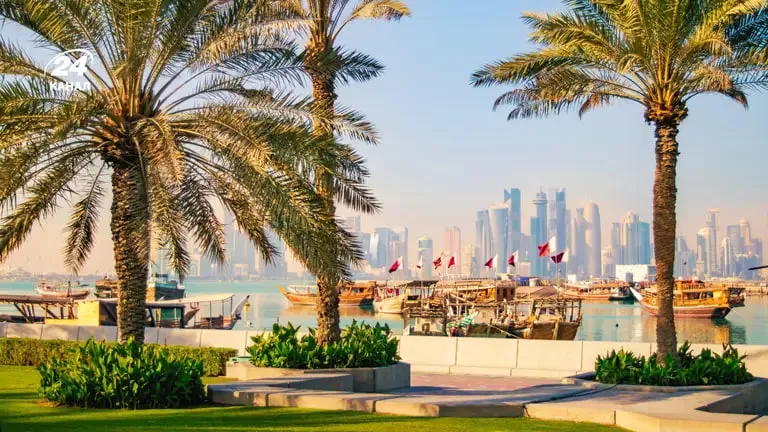
When the air temperature reaches 46 degrees, a simple walk through Qatar becomes a real challenge. So the country is looking for new ways to combat the extreme heat—this time, technology is being used right on the streets.
In the summer, temperatures in Qatar can rise to 46 degrees Celsius, making it particularly difficult to be outdoors.
How does Qatar cool public spaces outdoors?
In several locations, walking and running paths have been equipped with systems that circulate cool air at ground level. They aim to maintain the temperature in these areas at around 26–28 degrees Celsius. A similar system is in place at the Katara Cultural Village, where the areas around restaurants and shops are cooled.
A similar principle is used at several soccer stadiums across the country. The technology combines targeted cooling, insulation, partially closed-loop air circulation, cold storage, and dehumidification. Absorption refrigeration units are also used, which harness thermal energy to power the cooling process.
During periods of low demand, the system generates and stores cooling energy, which is then used when the need for cooling increases. This reduces the amount of electricity required to keep the systems running continuously. In Qatar, efforts are focused not only on cooling the air but also on reducing the heating of road surfaces.
The country has experimented with special coatings designed to better reflect solar radiation. Some of these coatings contain a blue pigment and can lower the surface temperature of the asphalt by 15–20 degrees. A lighter-colored surface absorbs less solar heat, so it doesn’t get as hot. This is important for densely built-up areas, as scorching roads can further raise the ambient temperature.
@essiennes #qatar #doha #dohaqatar #dohaqatar #airconditioner ♬ Qatar - Instrumental - Ultra Beats
Where is the world’s longest air-conditioned running track located?
Umm Al-Sanim Park is home to the world’s longest outdoor air-conditioned running track, as recognized by the Guinness World Records. It is 1.14 kilometers long. The track provides a cool environment for athletes even during the desert heat. The systems are also equipped with air filtration that helps remove dust, allergens, and microorganisms from the air.
In some systems, a portion of the energy required for cooling comes from solar power—this share can exceed 60%. The exact total cost of the open-air air conditioning systems has not been disclosed. However, the scale of such projects implies significant investments, which could reach hundreds of millions of dollars.
HGY reports on this.
Heat waves could cause up to €180 billion in losses to the EU’s GDP, according to a Triodos estimate.
Forecasters predict a cooling trend: what will the weather be like on August 19, 2026?


