
In Kenya, rangers patrol the Maasai Mara on electric motorcycles
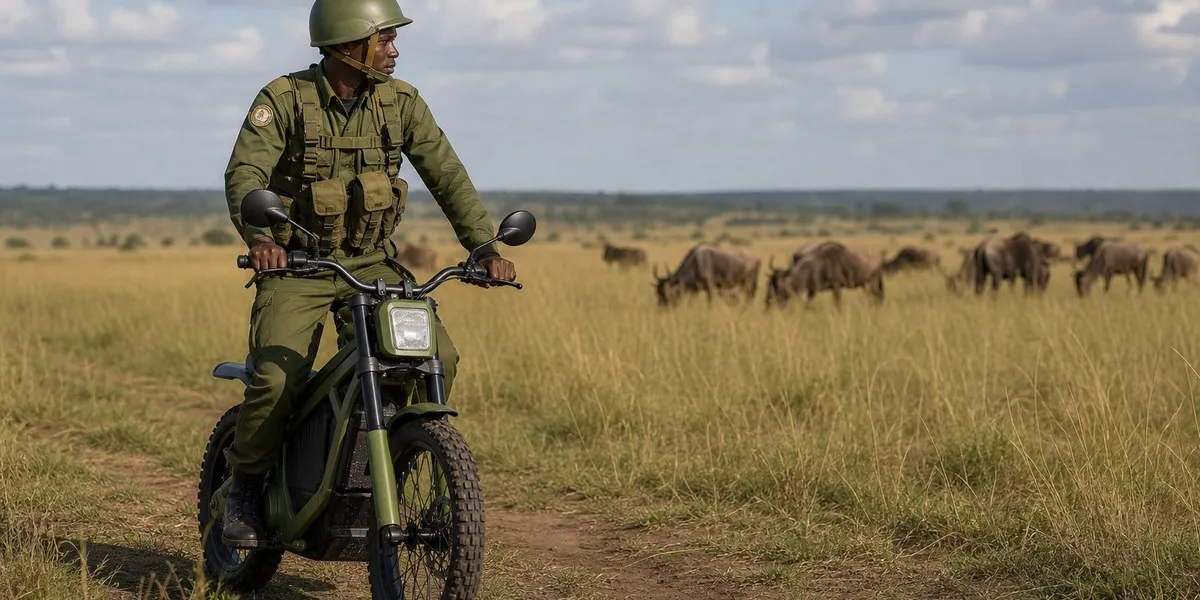
In Kenya’s Maasai Mara reserve, rangers use electric motorcycles to patrol the area. The nearly silent transport allows them to approach wild animals without disturbing them and to move more discreetly while pursuing poachers.
As TimesLIVE reports, ranger Joshua Kijape, attached to Entumoto Safari Camp, has been patrolling the Maasai Mara on an electric motorcycle for a year. It was manufactured by Nairobi-based company ROAM. For the manufacturer, the vehicle’s operation in the reserve is a test of its ability to travel on dirt roads, withstand long routes, and operate in remote areas.
The use of electric transport in the reserve comes during one of the busiest periods of the year, when the annual wildebeest migration draws large numbers of animals, tourists, and conservation teams to the savannah.
Charging with solar energy
A ROAM electric motorcycle can travel approximately 160 kilometres without recharging. Longer routes require charging stations. According to ROAM CEO Philip Lövström, the motorcycles can be charged from a standard 10-amp socket, while charging infrastructure can be set up using relatively small solar systems and batteries.
More current news is available on the UA.News Telegram channel Telegram.
ROAM believes that switching to electric transport could reduce the need to deliver petrol from the port of Mombasa to conservation areas. The motorcycles may also be useful for communities near reserves, where this type of transport is widespread because of poor road conditions and limited alternatives.
Electric safaris and vehicle conversion
Emboo River Camp in the Maasai Mara has used electric safari vehicles since 2019 and charges them exclusively with solar energy. Camp co-founder and co-director Loic Amado said that his company, EERA Lab, supports 25 lodges in East Africa, helping them with solar energy, wastewater treatment, and converting vehicles to electric power.
Amado estimates that converting a conventional safari vehicle costs between $35,000 and $45,000, and that the costs can be recouped within two and a half to three years through savings on fuel and maintenance. Emboo Camp has expanded its electric vehicle fleet and more than tripled its solar energy system. Amado said his goal is to achieve net-zero emissions for the Maasai Mara by 2035.


