
In Kumamoto, it is difficult to assist evacuees outside of shelters
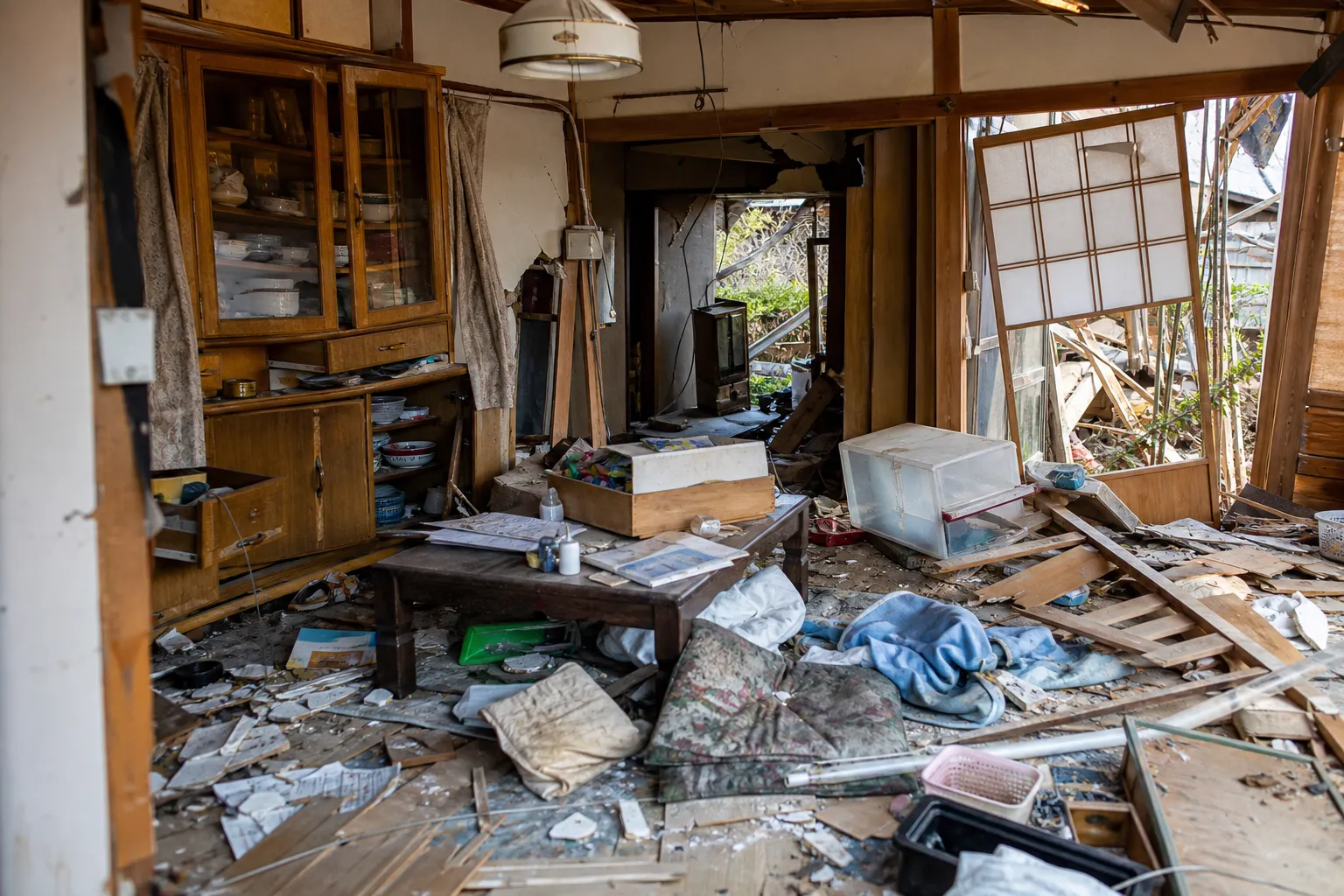
Authorities in Japan’s Kumamoto Prefecture are having difficulty providing assistance to people who, following the 7.1-magnitude earthquake on July 28, are living in their own homes, with relatives, or in their cars, rather than in official evacuation centers. According to The Japan Times, more than three weeks after the quake, local authorities do not have accurate data on the number of such people or their living conditions.
As of 8:00 a.m. on Tuesday, 3,050 people were staying at designated evacuation centers in Kumamoto, the prefecture reported. At the same time, a significant number of victims are believed to be staying outside these facilities. This complicates the delivery of humanitarian aid, the provision of health consultations, and other forms of support.
In the city of Uki, where seismic intensity of 7—the highest level on the Japanese scale—was recorded, the home of a 94-year-old woman sustained severe damage and was deemed unsafe to inhabit. She and her eldest son are living in a vacant house belonging to a relative next door. There is no hot water, and water is leaking from under the kitchen sink. Due to problems with her legs and hearing, it is difficult for the woman to stay at the evacuation center, located about 200 meters from this house.
For more breaking news, follow the UA.News Telegram channel.
Another resident of Uki, 76-year-old Kazuo Fukuoka, spends his days caring for three cats and cleaning up his damaged house, while he spends his nights at the evacuation center. In his single-story wooden house, built over 70 years ago, the toilet and bathtub are out of order, and belongings are scattered about so that it’s difficult to move around the room without shoes. After the earthquake, he initially slept in his house or in his car, but after about two weeks, following his neighbors’ advice, he began spending the nights at the center.
To support people who require special care—particularly elderly residents and people with disabilities—the prefectural government dispatched a Disaster Welfare Assistance Team, a group of social care specialists. As of Sunday, about 750 team members had been deployed. They are surveying people about their living conditions, distributing aid, and referring those who need special care to social evacuation centers.


