
The campaign for the Saeima elections has begun in Latvia
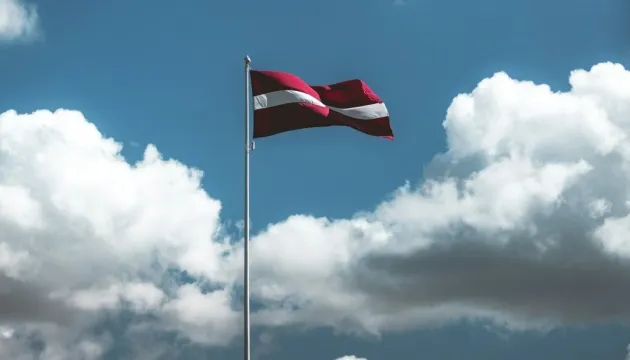
The pre-election period for Latvia’s parliamentary elections, scheduled for this fall, has officially begun. With the start of the campaign, new rules for political parties, advertising, and social media have taken effect, and regulatory authorities have begun monitoring for potential violations.
On June 6, the pre-election campaign period officially began in Latvia ahead of the country’s parliamentary elections—the Saeima. Voting is scheduled for October 3. Starting on this date, special rules governing campaigning and political advertising will take effect for political parties, candidates, and the media. Government agencies will also step up their efforts to ensure compliance with the law during the election campaign.
One of the main areas of focus will be political advertising. In Latvia, authorities remind the public that all pre-election advertising must be clearly labeled so that voters understand who exactly commissioned and financed it. This year, a new rule related to artificial intelligence has also been introduced.
If AI technologies were used to create a political video, image, or other graphic content, this must be explicitly disclosed. In case of doubt, specialists will conduct an additional review. For this purpose, they may engage an expert center specializing in the analysis of materials created using artificial intelligence.
Another important change concerns social media. Political parties are prohibited from using anonymous or fake accounts for campaigning. This refers to pages through which political advertising or manipulative content can be disseminated, or public opinion can be influenced without revealing the true sponsor.
Such profiles are to be specifically tracked and verified. Authorities explain this as a desire to make the election campaign more transparent and reduce the risk of covert influence on voters.
Financial penalties are in place for those who choose to ignore the campaign rules. Individuals may face a fine of up to 500 euros. For companies, legal entities, and political parties, the amounts are significantly higher—up to 7,100 euros. That is why most political forces have already begun preparing to operate under the new rules.
The next elections to the Latvian Parliament are scheduled for October 3. Until then, political parties will actively campaign, present their platforms, and vie for voter support. At the same time, government agencies promise to closely monitor the campaign to ensure it is conducted fairly and that all participants adhere to the same rules.
This year, particular attention will be paid to the digital space, advertising on social media, and the use of artificial intelligence technologies. In Latvia, it is believed that the new control mechanisms will help make the electoral process more transparent and understandable for citizens. This was reported by LSM.
Lithuania Warns of a Dangerous Situation in the Skies Over the Baltics
Latvia has expanded sanctions to include relatives of Russian high-ranking officials


