
Traffic of merchant ships through the Strait of Hormuz has increased sharply
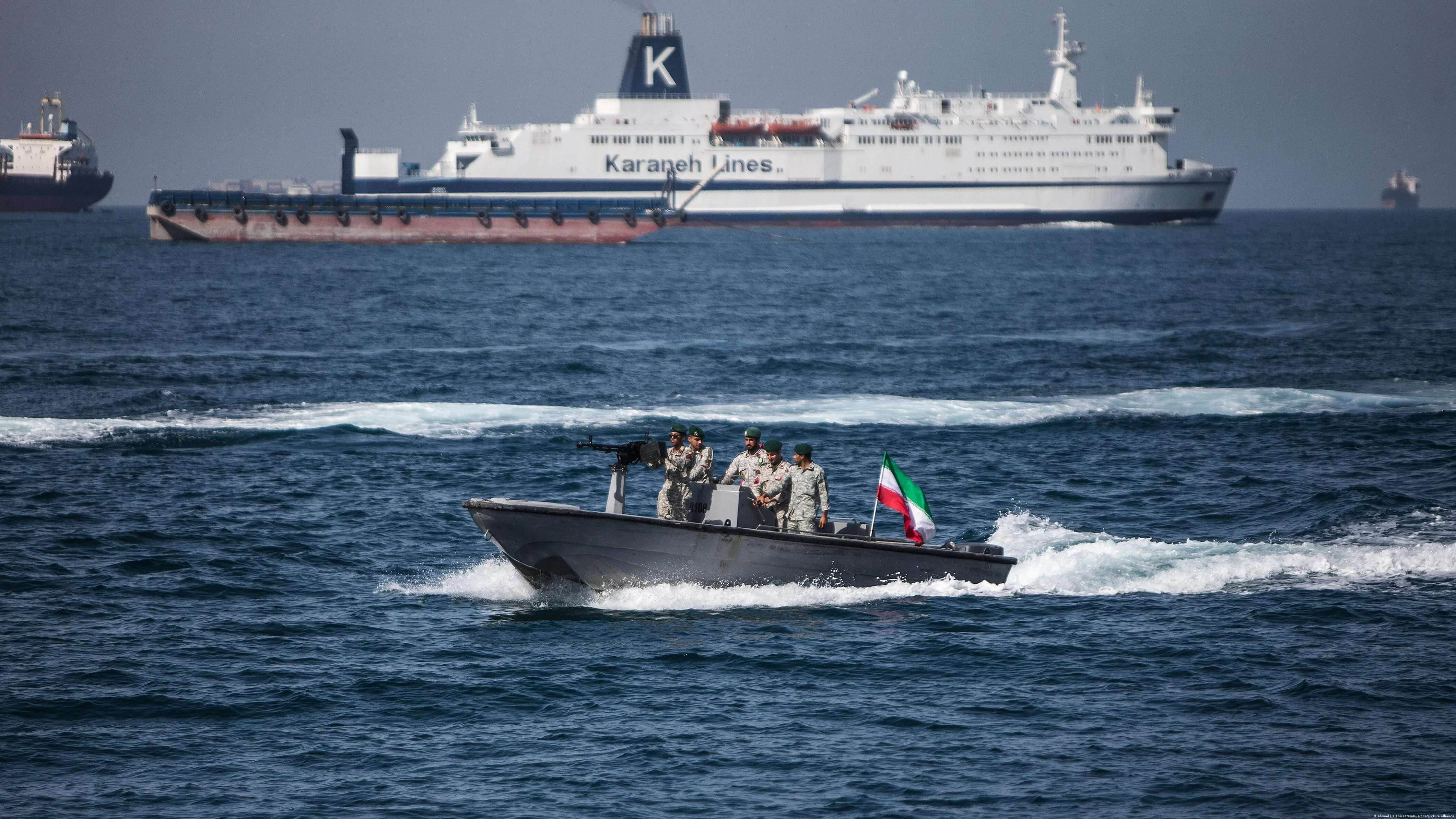
The number of commercial voyages through the Strait of Hormuz has more than quadrupled over the past week. Shipping companies have begun returning their vessels to one of the world’s most important maritime routes following a de-escalation of tensions between the U.S. and Iran.
According to the Financial Times, the average number of tracked vessels entering and exiting the Persian Gulf daily rose from one or two during the conflict to eight as of July 1.
Experts attribute this trend to shipowners’ growing confidence in the 60-day ceasefire between the U.S. and Iran. As a result, companies have begun withdrawing vessels that had previously remained in the Persian Gulf due to the threat of attacks.
In particular, Hapag-Lloyd reported that four of its vessels have already left the region, and Maersk confirmed that two of its ships have passed through the Strait of Hormuz.
In the week leading up to June 28, the total number of transits through the strait in both directions—including so-called “dark sailings”—reached 258, whereas at the start of the crisis, that figure stood at just 41.
Despite the active resumption of shipping, traffic has not yet returned to pre-war levels—before the conflict began, approximately 135 ships passed through the Strait of Hormuz daily.
Source: Financial Times.
As a reminder, on June 26, global oil prices fell by about 2% due to an increase in the number of tankers passing through the Strait of Hormuz.
Exports of mineral fertilizers through the Strait of Hormuz have shown rapid growth, bringing supply volumes to the global market back to the levels recorded before the military escalation began.


