
An ancient Greek theater and a unique hippodrome have been discovered in Libya
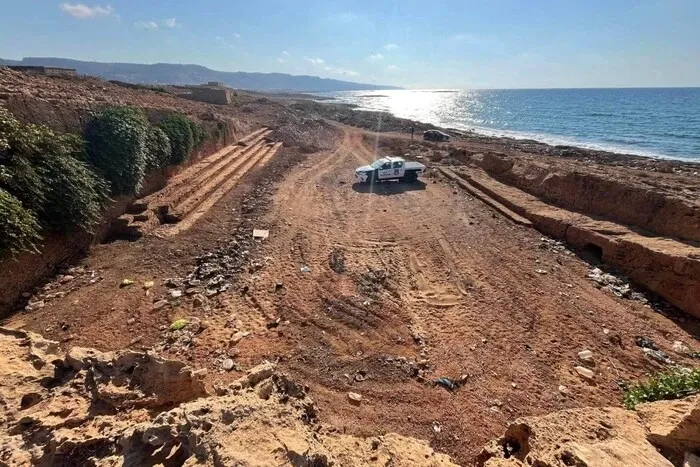
During excavations in Libya, French archaeologists have uncovered an ancient Greek theater and an ancient hippodrome. Researchers believe this discovery could change our understanding of the scale and significance of the ancient city of Apollonia in the classical world.
A French archaeological mission has made an important discovery in the area of the modern city of Susa in Libya. During their research, the scientists found the remains of an ancient Greek theater and an ancient hippodrome, which may help shed light on the history of one of the largest cities in ancient North Africa.
The hippodrome in particular caught the archaeologists’ attention. The head of the French mission, Vincent Michel, called it unique, as no similar structures have yet been found either in historical Libya or in other regions of the Mediterranean. “This hippodrome is unique, as nothing like it has been found either in the historical region of Libya or in other regions of the Mediterranean,” noted Vincent Michel, head of the archaeological mission.
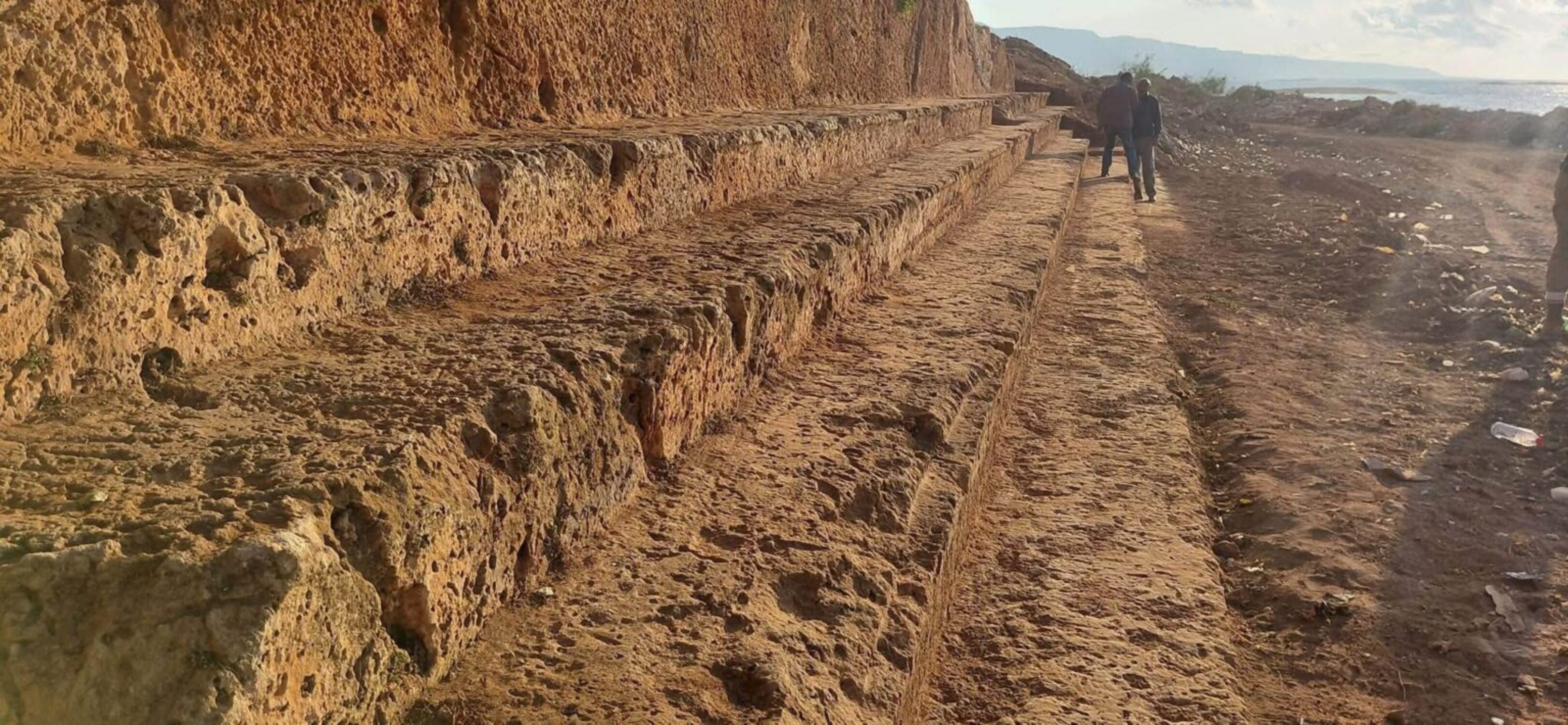
In ancient times, hippodromes were venues for chariot races and equestrian competitions. In addition to sporting events, various public gatherings, celebrations, and ceremonies were held there. Such structures were built outdoors, and their boundaries were often marked by earthen embankments. This is precisely why archaeologists rarely manage to find well-preserved remains of hippodromes. According to researchers, the new discovery will help shed more light on the cultural and social life of ancient Greek settlements in North Africa. Furthermore, the dimensions of the discovered complex turned out to be larger than historians had previously assumed.
As a result, scholars are already discussing a possible reevaluation of our understanding of Apollonia itself and its role in the ancient Mediterranean. It is possible that the city was significantly larger and more influential than previously thought.
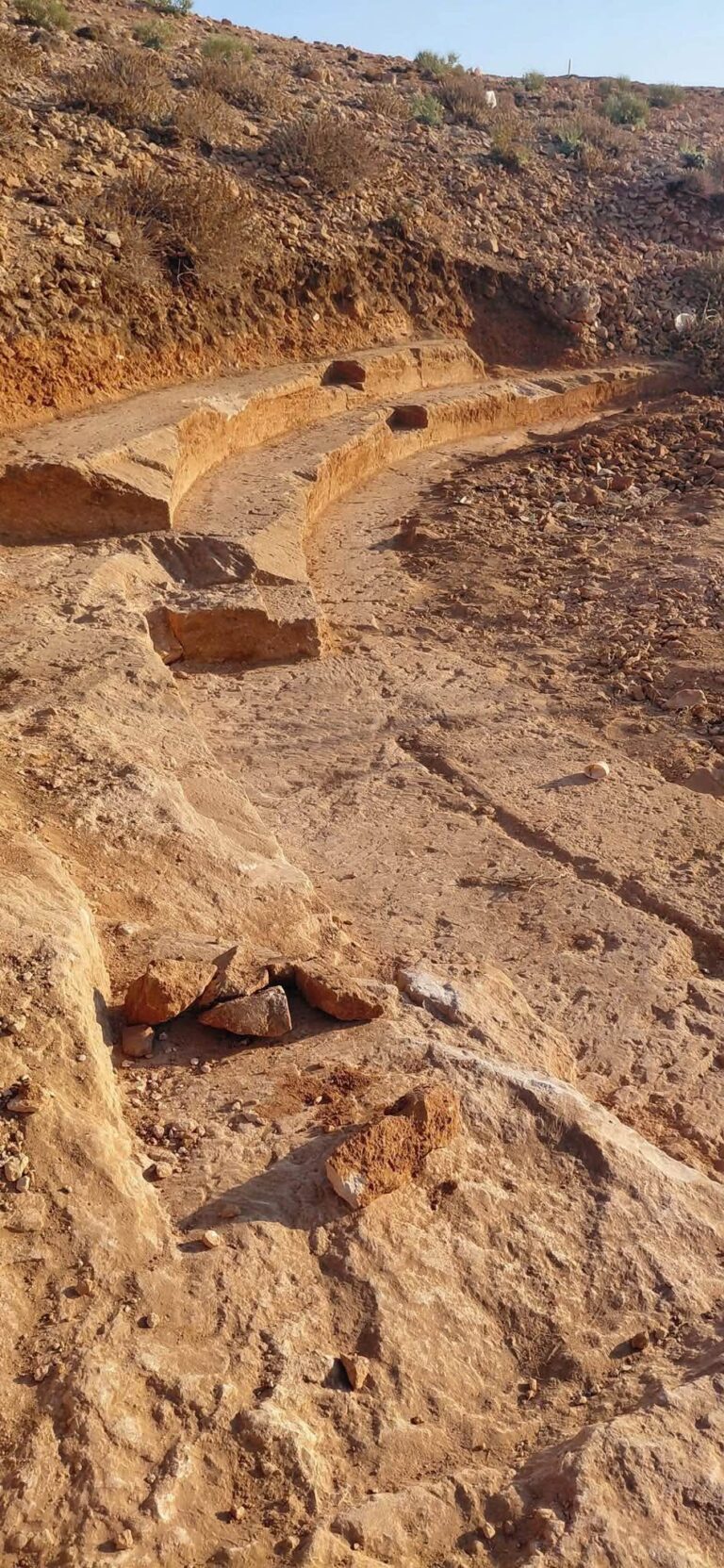
The discovery of the theater is no less intriguing. For now, archaeologists are in no hurry to draw final conclusions, as research is still ongoing. A theater had previously been found near the coast within the Apollonia site, so experts now speculate that the newly discovered structure may have been another theater or served another public function. “Little is known about the discovered theater so far, but archaeologists suggest that it may have complemented the already known theater located near the coast,” the researchers note.
Apollonia was founded as the seaport of the ancient Greek city of Cyrene, which was established as early as the 7th century BCE by settlers from the island of Thera. The city was located about 16 kilometers from Cyrene and quickly became an important trading center, eventually evolving into a separate, independent city. During the Roman Empire, Apollonia continued to develop and remained inhabited for many centuries. Remains of city walls, port structures, baths, residential quarters, basilicas, and other public buildings have survived to this day.
Archaeologists are continuing to explore the area and hope that new discoveries will help shed even more light on the history of one of North Africa’s most important ancient cities. Arkeo News reports on this.


