
In Germany, the Rhine has reached a record low
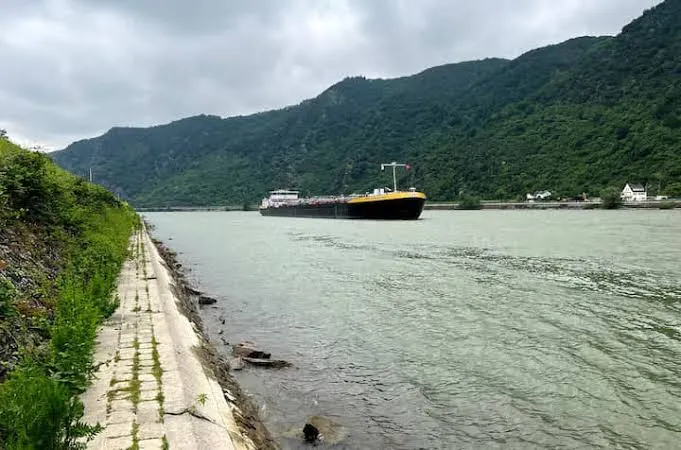
Water levels in the Rhine in western Germany have dropped to a historic low. In Cologne, the water gauge recorded just 68 centimeters—one centimeter lower than the previous record low set in 2018. The low water levels are already drawing the attention of the shipping industry, as the Rhine is one of the main routes for freight transport in Europe.
On Saturday, the water level at the measuring station in Cologne was recorded at 68 centimeters. The previous record low was recorded on October 23, 2018—at that time, it stood at 69 centimeters. However, the average water level at this station is significantly higher, typically ranging from 297 to 348 centimeters.
It is important to note that these figures do not reflect the actual depth of the Rhine. Water level stations measure the height of the water above a standard reference line. These measurements are used, in particular, in shipping to calculate how much cargo a vessel can safely carry.
Why the Rhine Is Shallow
The drop in water levels is occurring against the backdrop of a lack of precipitation in Germany and other European countries. The situation is further exacerbated by periods of high summer temperatures. The Rhine is of great importance to the economies of Germany and all of Europe. Grain, minerals, ore, coal, petroleum products, and other cargo are transported along the river.
The lower the water level gets, the less cargo ships can carry to avoid running aground. Therefore, prolonged low water levels can complicate transportation and affect the supply of goods. The Rhine remains one of Germany’s most important waterways, so the record-low water levels are not only an environmental problem but also a risk to commercial shipping. DW reports on this.
During the heat wave in late June and early July, Belgium recorded the highest excess mortality rate in Europe. This is according to data from the Belgian public health institute Sciensano.
The June heatwave in Europe led to significant losses in agriculture. The cost of the destroyed grain crops is estimated at more than 2 billion euros, with farmers in France and Hungary bearing the brunt of the damage.


