
A large-scale war could break out in the Middle East — The Guardian
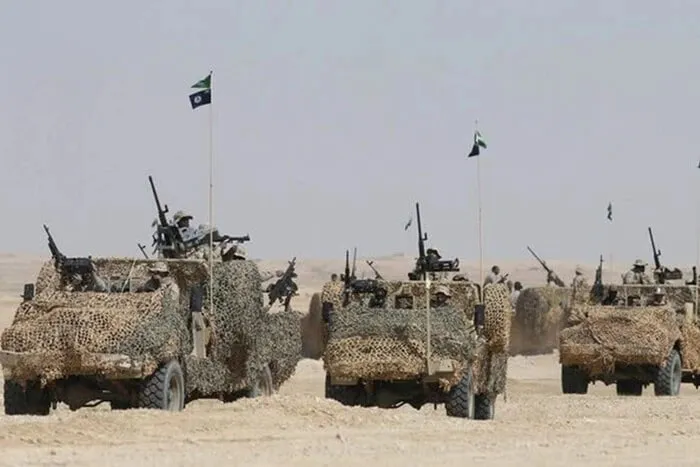
Saudi Arabia may be preparing for a large-scale military operation against the Yemeni Houthis, which would involve not only airstrikes and naval operations but also a ground offensive in central Yemen.
According to the publication, the Riyadh authorities are considering the possibility of resuming active hostilities as a way to reduce the threat to oil shipments through the southern part of the Red Sea. Such a development could significantly escalate tensions in one of Asia’s key regions.
According to Yemeni sources, Saudi troops have begun withdrawing units from eastern Yemen, which is controlled by the internationally recognized Yemeni government, an ally of Saudi Arabia. As reported by The Guardian, these units may be deployed in a military operation against Houthi rebels who control western Yemen.
It is also reported that, at the same time, Saudi Arabia is working to establish an international maritime coalition designed to protect shipping from Houthi attacks in the Red Sea and the Bab el-Mandeb Strait.
As the publication notes, the Saudi Arabian Ministry of Defense reported that 14 countries, including Turkey, Pakistan, Egypt, Sudan, and Djibouti, have supported the idea of a multinational maritime defense coalition. In addition, Riyadh has appealed to the United States and a number of European countries—including Germany, France, the United Kingdom, and Italy—to join this initiative.
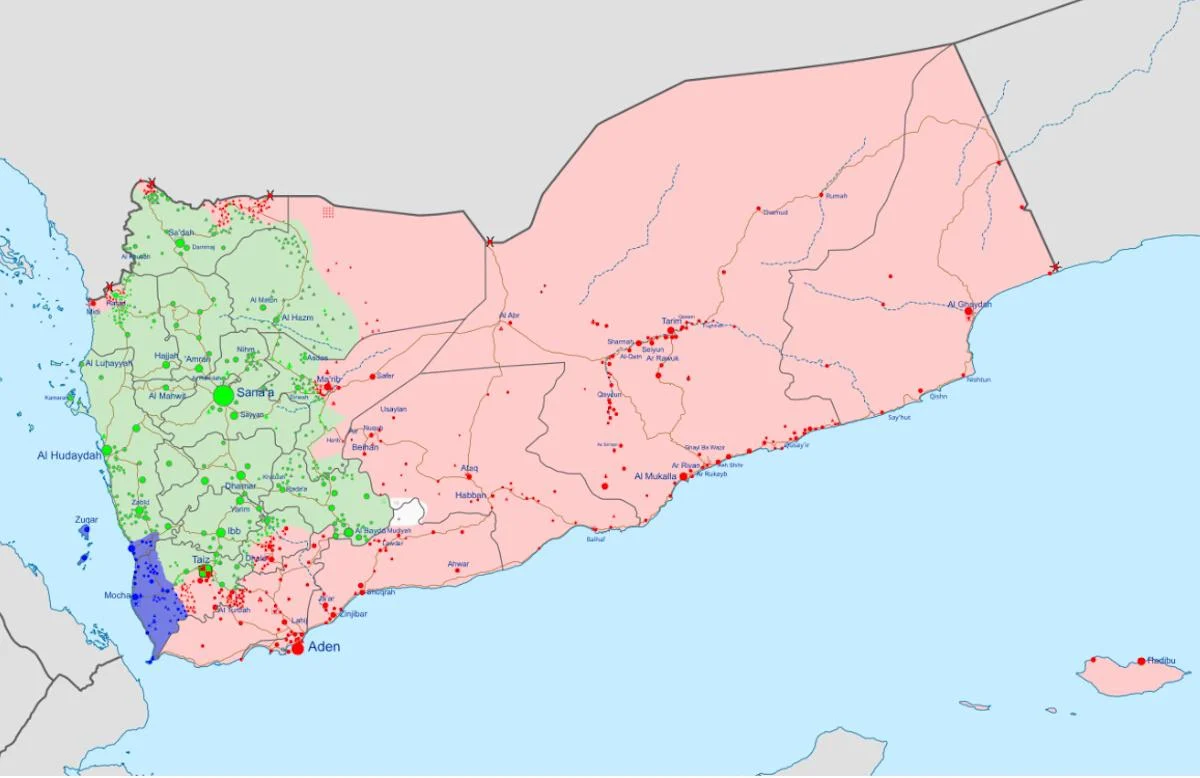
A new round of tensions began after the Houthis, who control Yemen’s capital, Sana’a, and a significant portion of the Red Sea coast, announced a blockade of Saudi ships on July 20. At the same time, they denied any intention to impose a transit fee on all ships. Representatives of the movement state that they are prepared to lift the blockade only after the Saudi blockade of Houthi-controlled territory is lifted.
The publication notes that Saudi Arabia intervened in Yemen’s civil war back in 2015, supporting the internationally recognized government in its fight against the Houthis. Since then, the sides have repeatedly engaged in armed clashes, but the strategic situation has remained largely unchanged. It is only in the last month that the relatively unstable balance of power has begun to crumble.
The situation escalated after the Houthis announced on July 25 that they had struck Saudi Arabia’s oil infrastructure. According to their statement, they attacked “key oil transportation facilities” that transport crude oil from fields in eastern Saudi Arabia to an export terminal on the Red Sea.
As The Guardian explains, the importance of the route through the Red Sea has risen sharply since the start of the war between Iran and Israel. If this route were to be blocked in the same way as the Strait of Hormuz, Saudi Arabia’s ability to export oil would be significantly reduced.
According to the publication’s sources, the current redeployment of troops may be linked to preparations for an attack on the province of Al-Bayda in south-central Yemen, which the Houthis captured in 2020–2021. At the same time, Riyadh seeks to demonstrate its readiness to defend its own territory and oil infrastructure, but is not interested in a direct escalation of the conflict with Iran, believing that the disputes between Tehran and Washington can still be resolved through diplomatic channels. Separately, negotiations are ongoing between Oman and Iran regarding the possible resumption of normal shipping through the Strait of Hormuz.
This was reported by The Guardian.
As a reminder, Central Asia is increasing its purchases of Russian fuel — Reuters.
Russian terminals in the Baltic Sea have not been accepting fuel for two weeks—Reuters.
In Russia, the Baltika brewing company has sharply cut back on beer production.
Baltika has effectively frozen Russian oil exports — Bloomberg.
As a reminder, on February 9, the United States intercepted the tanker Aquila II in the Indian Ocean for violating sanctions.
The Russian government forecasts a decline in revenue from oil and gas sales over the next three years. This will be due to falling energy prices and a more lenient tax regime for “Gazprom.”


