
Polling stations open in Germany for elections in Berlin and Mecklenburg-Western Pomerania — Deutsche Welle
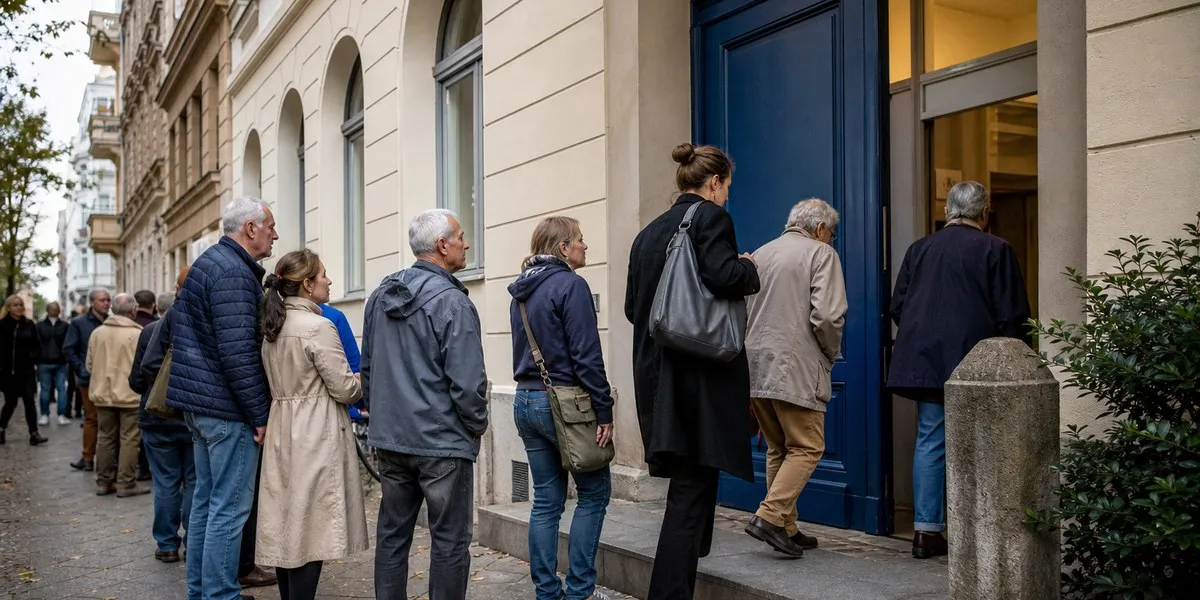
Polling stations have opened in Germany for regional elections in Berlin and the state of Mecklenburg-Western Pomerania. The vote, according to Deutsche Welle, could strengthen the position of the far-right Alternative for Germany (AfD) party and affect the political future of Chancellor Friedrich Merz.
In Berlin, voters are electing deputies to the city-state parliament as well as members of district assemblies. For the first time, voters aged 16 and 17 can cast ballots in both regions. Exit polls are expected at around 16:00 GMT.
Race in Mecklenburg-Western Pomerania
In Mecklenburg-Western Pomerania, the main contest is between the Social Democratic Party of Germany (SPD), led by the state’s incumbent minister-president Manuela Schwesig, and the AfD. According to polls, the AfD has around 37% support, while the SPD has 33%.
Attention is also focused on the result of the Christian Democratic Union (CDU), led by Merz. The party has around 7% support, only slightly above the five-percent threshold for entering the state parliament. In the 2021 election, the CDU won 13.3% of the vote in this state.
More current news is available on the UA.News Telegram channel Telegram.
Even first place for the AfD would not guarantee that it could form a government. To elect the head of the state government, the party needs a majority in parliament or coalition partners; other political forces may refuse to cooperate with the AfD.
Housing crisis in Berlin
In Berlin, according to the latest polls, the CDU is competing with the Left Party for first place. The AfD consistently holds third position. A total of 17 parties are taking part in the election, including the Greens, the SPD and the Sahra Wagenknecht Alliance.
One of the main campaign issues has been the housing crisis. In the city, where 85% of residents rent their homes, advertised rental rates have doubled since 2014. According to DW, Berlin needs another 211,000 homes by 2040.
The elections are taking place against the backdrop of low approval ratings for the chancellor: this week, Merz’s approval rating fell to 14%, according to DW. Nationwide polls gave the AfD 27–29% and Merz’s CDU 18–20%.


