
New York calls for climate risks to be included in national security — Climate Home News
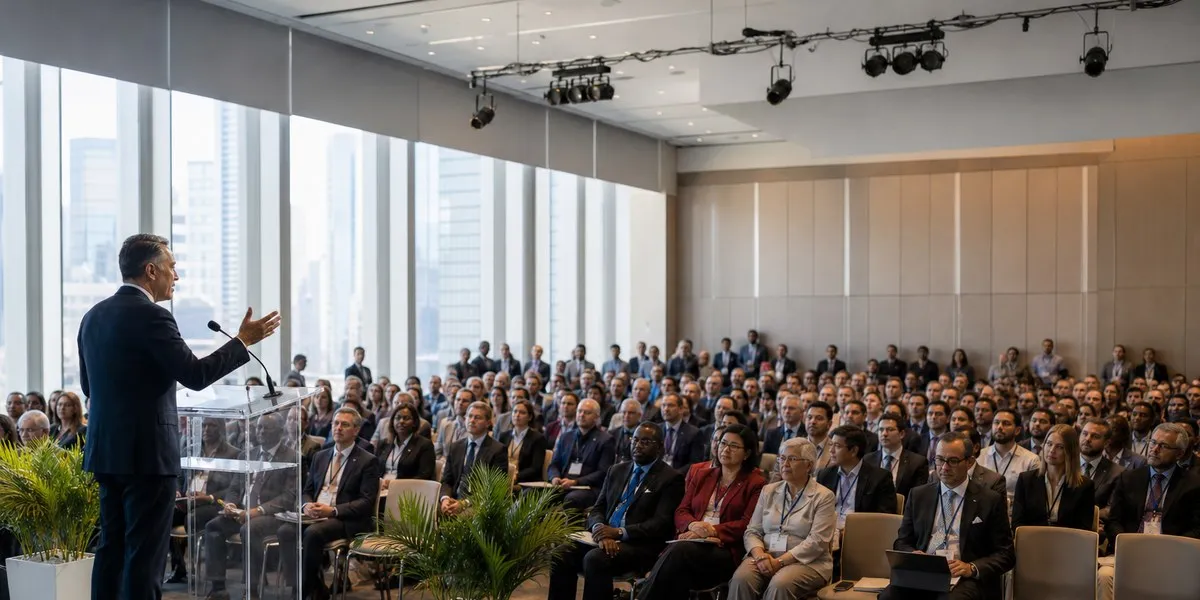
At the opening of Climate Week NYC in New York, United States, politicians and representatives of international organizations called on governments to treat climate change, nature loss and dependence on fossil fuels as threats to national security. This was reported by Climate Home News.
UK Foreign Secretary Ed Miliband said that the intensification of extreme weather events and related disasters requires a change in approach. In his view, climate issues should be at the center of attention not only for energy and climate ministers, but also for heads of government, diplomats and security agencies.
Miliband also called for climate and environmental risks to be integrated into national security systems, threat assessments and response plans. According to him, countries should share information, as climate shocks can quickly affect supply chains, financial markets and migration processes.
Call for a joint response
Australian Prime Minister Anthony Albanese said that his country is already experiencing the effects of global warming through more intense wildfires, floods and damage to vulnerable coastlines. He added that Australia and Pacific countries are preparing for a possible summer with extreme heat, fires and flooding amid a forecast record El Niño.
More current news is available on the UA.News Telegram channel Telegram.
Panama’s Environment Minister Juan Carlos Navarro said that drought in the Panama Canal area linked to El Niño could cause the country losses of hundreds of millions of dollars. According to the Panama Canal Authority, revenues could fall by between $225 million and $400 million due to slower maritime traffic.
Electrification and resilience
UN Deputy Secretary-General Amina Mohammed stressed the need to preserve a multilateral approach to addressing global challenges, including climate change, despite the difficult geopolitical situation.
Simon Stiell, head of the UN climate service, at a separate event drew attention to a voluntary target expected to be adopted at COP31: by 2035, to provide 35% of global energy consumption through electricity. According to him, this could reduce the vulnerability of countries, households and businesses to disruptions in fossil fuel supplies and rising prices. The Turkish COP31 presidency presented countries with the final text of the relevant declaration.


