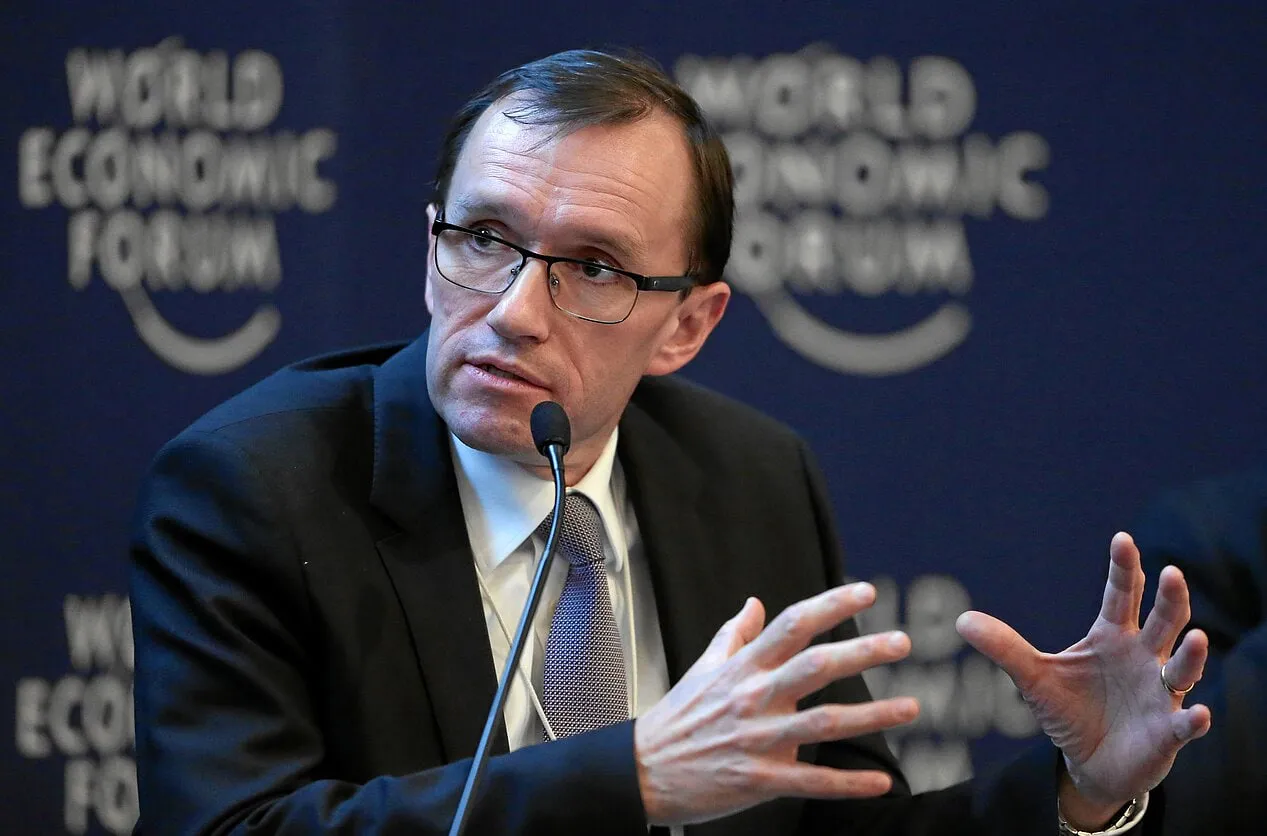
Discussions regarding Norway’s potential accession to the European Union have intensified against the backdrop of shifts in global politics, particularly the actions of the United States and China. It is noted that the so-called “unstable world order,” which is linked to the policies of U.S. President Donald Trump and China’s growing influence, is forcing Norwegian political circles to reevaluate relations with the EU and discuss strategic options for further integration.
Norwegian Foreign Minister Espen Barth Eide said this in an interviewwith the FT.
Norway, Europe’s leading oil and gas producer, is part of the EU single market but remains outside the bloc. Norwegians have twice rejected membership over fears that their fishing industry would be at a disadvantage if managed by Brussels. Fish products are Norway’s largest export sector after fossil fuels.
“We said ‘no’ (in the referendum—ed.) in 1972 because of fish, and again in 1994; it was mainly because of fish. Fish and agriculture,” Eide noted.
He acknowledged that the “peaceful world” that existed during the accession referendums has turned into a “crazy world,” forcing Oslo to rethink its relationship with the bloc.
“This ‘crazy world,’ given what is happening between China and the U.S., is forcing the EU to use tools from an arsenal that was not previously so active,” he said, referring to trade policy and the customs union. “Precisely those tools that we decided not to join.”
The U.S. tariff wars have highlighted Norway’s awkward position, as the country is part of the single market but has no say in trade negotiations with Washington, which are led by the European Commission. Norway is a member of NATO, but Trump’s push to assert control over Greenland—a semi-autonomous territory of Denmark, which is also a NATO member—has raised concerns in Oslo about U.S. security guarantees, which have underpinned the continent’s defense since World War II. Norway is also concerned about the future of the island of Svalbard, which Russia claims.
The EU’s increased focus on defense and security following Russia’s full-scale invasion of Ukraine has made the bloc more attractive not only to Norway but also to other members of the single market and NATO, such as Iceland. The island, which Trump has repeatedly confused with Greenland, will hold a referendum in August on resuming accession talks.
The EU has offered Iceland special terms regarding fisheries policy in an effort to encourage new members to join.
Eide noted that any deal favorable to Reykjavik would be closely monitored in Norway. “We are seeing certain changes in the fishing industry, which is watching to see what will happen if Iceland manages to secure favorable fishing terms. This could influence public sentiment,” he emphasized.
Although influential figures such as Norwegian Prime Minister Jonas Gahr Støre and Eide support Norway’s accession to the EU, the Norwegian Labour Party opposes calls for a new referendum, as public opinion polls show that a majority of voters would still reject membership in the bloc.
Norway’s oil and gas wealth has fostered a sense of independence in many people, Eide noted. “There is a perception of economic independence that contributes to a sense of strength. If a referendum were held tomorrow, I would vote ‘yes’... but that doesn’t mean now is the time to demand a referendum,” Eide concluded. For now, he said, it is necessary to “honestly acknowledge the shortcomings of our current system.”
A record-breaking hoard of Viking-era coins has been found in Norway.
Norwayplans to ban social media for children under 16.
The Lithuanian Seimas plans to consider legislative changes that would restrict access to social media for children under 16.
Greece plans to ban access to social media for children under 15. Prime Minister Kyriakos Mitsotakis is expected to announce this.