
In South Africa, activists report 66 illegal chrome operations near biosphere reserve
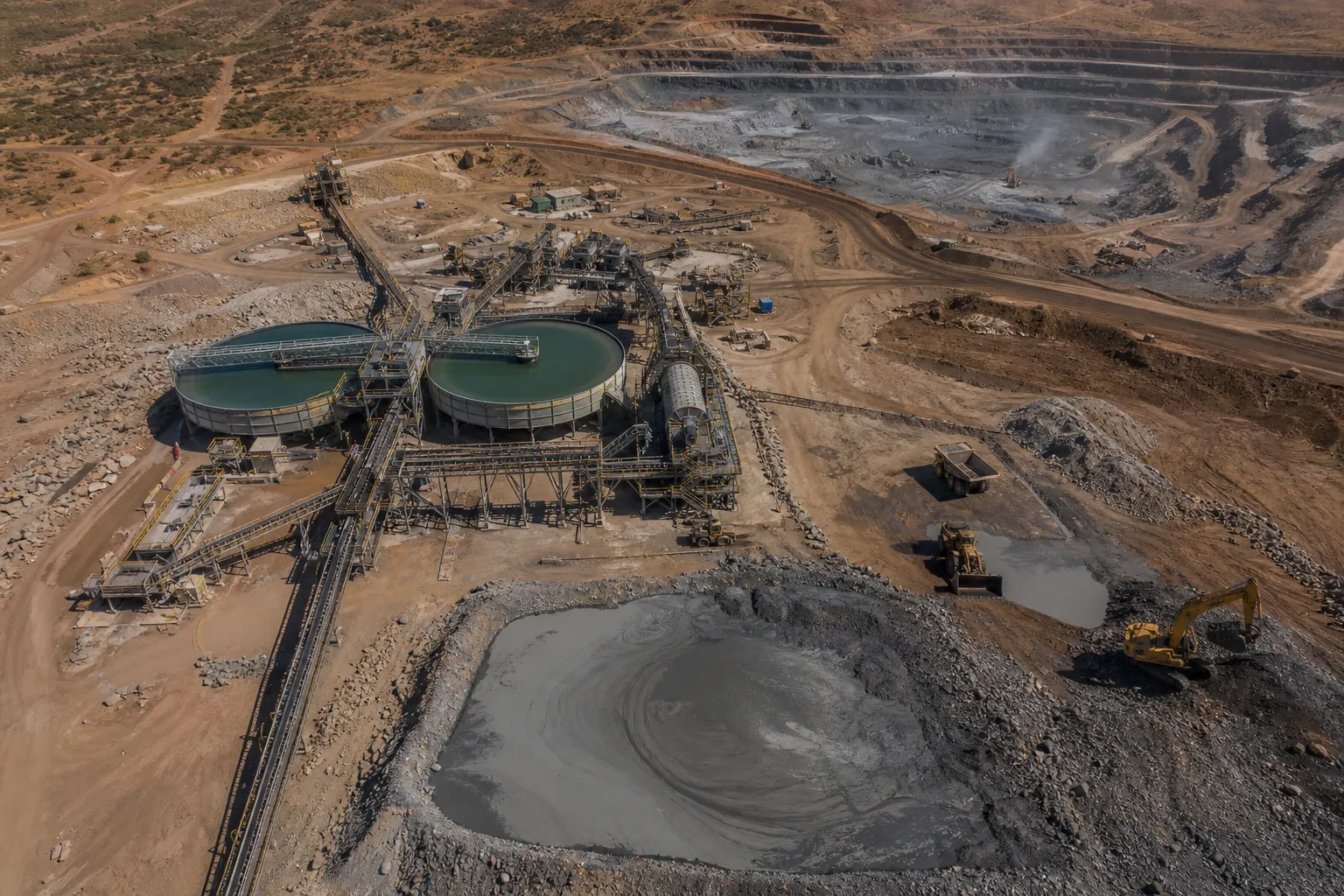
In South Africa’s North West province, between Rustenburg and Brits, activists have documented 66 chrome mining and beneficiation operations they consider illegal. Near the informal settlement of Nkangeng, 14 illegal chrome miners died in a ground collapse on August 10. Daily Maverick reports on the scale of the activity and its consequences.
According to the publication, aerial views of the region show trucks near beneficiation plants, heavy machinery, large pits and piles of grey waste. Former Democratic Alliance MP Cheryl Phillips, who helps local communities challenge such projects, said mines and washing plants are appearing faster than residents can file objections.
South Africa’s Department of Water and Sanitation told the outlet that it had issued only 16 water-use licences for such operations in the area. The Department of Forestry, Fisheries and the Environment did not respond to a request regarding approved environmental assessments, while the Department of Mineral and Petroleum Resources also provided no comment.
Risks to water and agriculture
Some of the operations are located within the Magaliesberg Biosphere Reserve, recognized by UNESCO. Washing plants use substantial volumes of water: spiral separators use water flow and gravity to separate heavier chrome ore from rock and clay. Landowners reported dust, noise and declining water supplies in boreholes due to the operation of nearby plants.
More current news is available on the UA.News Telegram channel Telegram.
Reserve coordinator Belinda Cooper said the activity threatens the Maretlwane River, which is considered one of the cleanest in the biosphere reserve. University of the Witwatersrand scientist Jonathan Levin said that discharging sludge into rivers can cover waterbody beds, destroy freshwater fish habitats and clog their gills. He also drew attention to the toxicity and carcinogenicity of hexavalent chromium, which can dissolve in water and spread over considerable distances.
Tailings dam accident and police action
On August 13, the Inyoni tailings dam at Samancor’s WCM mine, operated by unlisted company One Chrome, burst. The slurry spill contaminated Northam Platinum’s Eland mine and temporarily blocked an access road. In its initial directive, the Department of Mineral and Petroleum Resources stated that the tailings facility was likely not registered with the Department of Water and Sanitation and was therefore operating illegally. Samancor did not respond to the outlet’s requests.
The Hawks said that over the past two years, 23 illegal mining cases had been registered in the Rustenburg area, charges had been brought against 63 people, and 20 trucks and 15 excavators had been seized. In early August, law enforcement officers also seized four excavators and a dump truck at one of the sites. At the same time, Sibanye-Stillwater CEO Richard Stewart said that, in the company’s view, enforcement is absent unless legal mining companies initiate action themselves.


