
South Africa suspends new textbook catalogue for lower grades — Daily Maverick
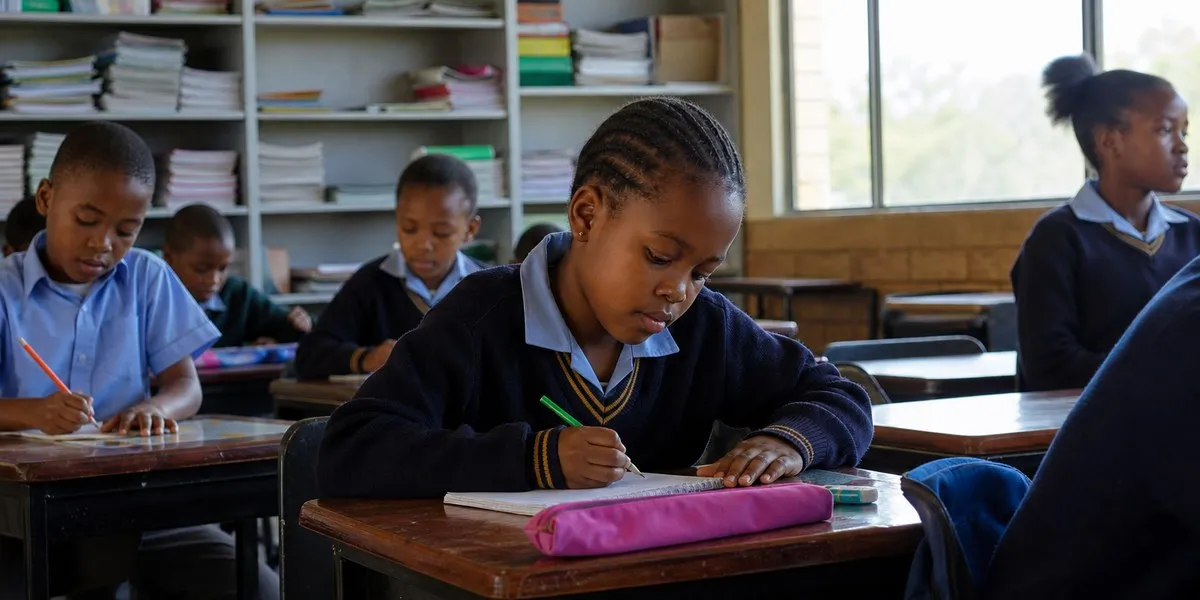
State schools in South Africa will likely have to use a textbook catalogue for lower grades that is about 15 years old in 2027. Basic Education Minister Siviwe Gwarube has suspended the introduction of a new catalogue over concerns about the procurement procedure, Daily Maverick reports.
Materials for grades 1–3
The new catalogue for pupils in grades 1–3 covers mathematics, home language, first additional language and life skills. Textbooks and other learning materials were planned to be developed using the latest research to improve literacy levels in line with the National Reading Strategy and Reading Plan for 2024–2030.
According to the 2021 Progress in International Reading Literacy Study, more than 80% of South African fourth-grade pupils could not read for meaning in any language. Cape Peninsula University of Technology lecturer Amy Sara Padayachee warned that the suspension could slow the country’s efforts to overcome illiteracy.
She noted that pupils entering first grade in 2027 will complete third grade in 2029. According to Padayachee, delays matter because the country has little time to accelerate improvements in literacy and numeracy indicators.
More current news is available on the UA.News Telegram channel Telegram.
Basic Education Department research on reading in lower grades showed that structured lesson plans combined with graded reading books, phonics materials and teacher coaching improved literacy outcomes. The new catalogue also includes programming and robotics elements, including pattern recognition and basic problem-solving.
Procurement and school supplies
The government plans to spend about 1.6 billion rand on purchasing new textbooks and supplementary materials from the catalogue. Schools and provincial education departments were instructed to replenish learning stocks with materials from the old list. Gwarube said the new catalogue had not been cancelled but extended its suspension pending legal advice.
According to the minister, an independent confidential review found no evidence of fraud or irregularities during the evaluation concerning the publisher at the centre of the dispute. At the same time, the review identified serious shortcomings in the broader procurement process. The report also refers to possible consequences related to financial irregularities, but Gwarube stressed that this does not mean guilt has been established.
Padayachee believes the impact of the delay will vary between schools. Institutions with sufficient stocks of books and supplementary materials may experience almost no disruption, while resource-constrained schools depend more on timely procurement and delivery by provincial education authorities.


