
The trial of a Russian businessman on money laundering charges has begun in Paris
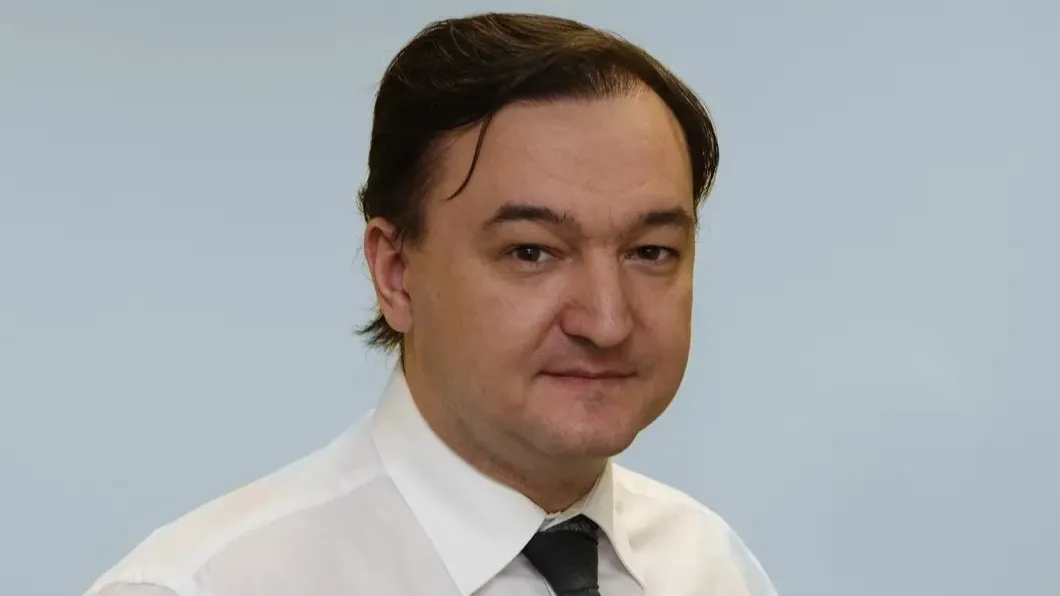
A Paris court is holding the first hearing in the case of Russian businessman Dmitry Klyuev, whom French prosecutors believe to be the mastermind behind a large-scale tax fraud scheme.
Klyuev is accused of laundering money in France that was stolen from the Russian budget, a scheme that was originally exposed by lawyer Sergei Magnitsky.
According to the prosecution’s case, in 2007, 5.4 billion rubles were embezzled from the Russian Federation’s budget through illegal income tax refunds.
The funds were initially transferred to accounts at the “Universal Savings Bank,” owned by Klyuev, and then funneled abroad through a network of shell companies, including to his personal offshore accounts.
French investigators determined that between 2008 and 2012, Klyuev spent over 2 million euros of these funds in France on luxury goods, jewelry, and vacations.
In particular, over 127,000 euros were spent on leisure activities at the Courchevel ski resort for Russian Senator Dmitry Savelyev and his entourage.
In March 2025, Dmitry Klyuev was placed on an international wanted list, but French law enforcement officials do not expect him to be extradited.
Prosecutorial documents state that the suspect is likely in Russia, where he “clearly enjoys the support of the authorities and is likely affiliated with organized crime.”
Despite the charges, Klyuev continues to run businesses in Russia, including the law firm “Quorum Debt Management Group,” which works with government agencies.
He also owns a hunting estate in the Kaluga region, which is frequently visited by high-ranking officials, indicating his deep integration into the Russian elite.
The case against Klyuev was initiated following a complaint by the Hermitage Capital fund, whose chairman, Bill Browder, led a global campaign for justice in the Magnitsky case after the lawyer’s death in pretrial detention.
Most of the individuals involved in this scheme have been subject to U.S. and EU international sanctions since 2014.
The businessman currently faces up to 10 years in prison, as the prosecution views his actions as systematic money laundering.
In addition to France, evidence of Klyuev’s involvement in laundering stolen funds was found in Cyprus and Switzerland, where significant sums also passed through offshore accounts linked to him.
As a reminder, a French court sentenced Ukrainian women for performing illegal Botox injections.
The EU court also upheld sanctions against five Russian oligarchs.
