
Paris investigates alleged harassment involving smart glasses — Channel NewsAsia
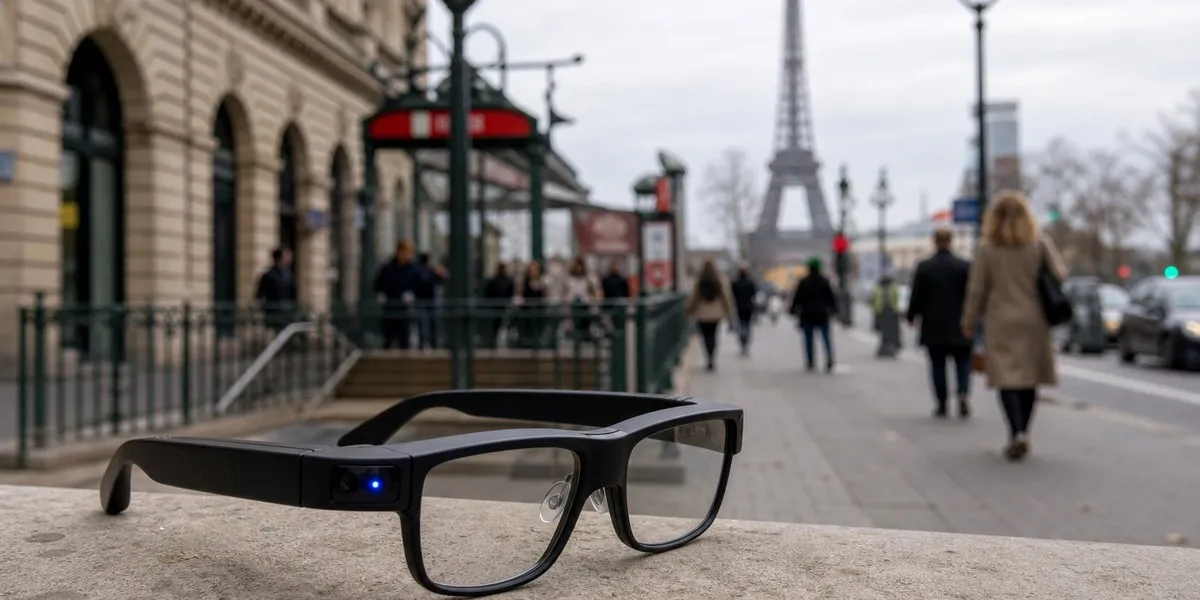
In France, the Paris prosecutor's office has opened at least one criminal investigation following complaints of alleged sexual harassment linked to the use of smart glasses. The cases concern a practice widespread on social media in which women are filmed on the street without their consent and the videos are then published online, Channel NewsAsia reports, citing Reuters.
The prosecutor's office did not specify the brand of devices mentioned in the complaints. At the same time, its cybercrime unit tested smart glasses two weeks ago to better understand which potential crimes they could be used to commit.
Complaints about workplace use
France's data protection authority, CNIL, said it had received fewer than 10 complaints concerning the use of smart glasses in the workplace. The regulator is also increasingly receiving requests from companies about whether such devices can be banned at work.
Nasera Behat, head of CNIL's economic department, noted that smart glasses create real challenges in informing people about filming and obtaining consent when it is required. French law provides for up to one year in prison or a fine of up to €45,000 for recording a person's image in a private place without their consent. At the same time, CNIL and other legal sources said these rules are difficult to enforce, especially when content spreads quickly online.
More current news is available on the UA.News Telegram channel Telegram.
International attention to the devices
Globally, Meta glasses, developed in cooperation with EssilorLuxottica, lead the market with an approximately 76% share. Meta glasses with artificial intelligence features have a small built-in camera that enables discreet recording. Seven million such devices were sold last year, while EssilorLuxottica's latest sales figures point to exponential growth in 2026.
A Meta spokesperson said the company had built privacy protections into its AI glasses from the outset and plans to strengthen safeguards as the devices' capabilities grow. Human rights advocates, however, stress that a small recording light indicator on the frame shifts responsibility for avoiding filming onto the people being recorded.
Some cinemas in the United Kingdom have already banned smart glasses. In Germany, a consumer rights organization has filed a criminal complaint against Meta and other companies selling such devices, citing privacy legislation. Australia is also considering banning smart glasses with cameras in government workplaces over privacy and security concerns.


