
South Korea expands voluntary blood donation network for dogs
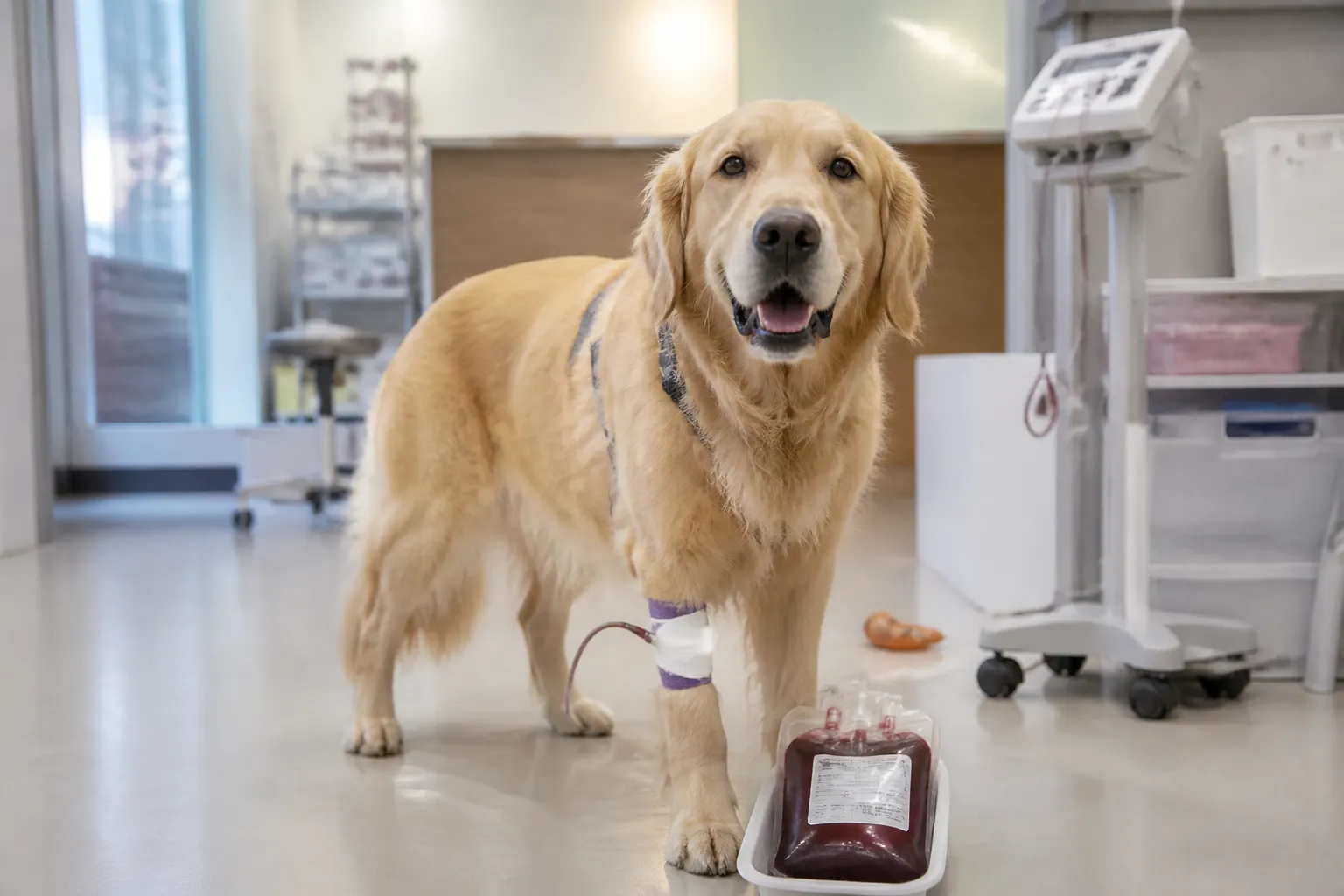
In South Korea, a network of voluntary blood donation for dogs is gradually expanding, though, according to veterinary industry representatives, it still covers less than 10% of nationwide demand. One participant is Kappu, a seven-year-old golden retriever weighing 31 kilograms: over four years, he donated blood 10 times.
Kappu’s most recent and final donation took place on July 31 at the KU I’m Dognor dog blood donation center at Konkuk University in Seoul’s Gwangjin district. For each donation, the center gives dogs colorful bandanas. Kappu’s guardian, Cho Han Dok, told The Korea Herald that he initially did not know pet dogs could take part in donor programs, but decided to join because his dog could help other animals.
Historically, a significant share of the country’s blood supply for veterinary needs came from large dogs kept primarily for blood collection. This practice raises animal welfare concerns. The voluntary donor network is not yet capable of replacing this system, but veterinarians believe it is realistic to gradually increase the number of voluntary donors and reduce dependence on specially kept dogs.
More current news is available on the UA.News Telegram channel Telegram.
Only a few specialized donation centers operate in South Korea, including those at Konkuk University in Seoul and Kyungpook National University in Daegu. They are connected to Hyundai Motor Group’s I’m Dognor campaign, launched in 2019. Mobile blood collection units also operated as part of the campaign. According to the center at Konkuk University, since 2023, more than 570 dogs have donated blood there at least once, while the total number of donations has exceeded 1,000.
A healthy large dog can donate approximately 300–400 milliliters of blood, depending on its weight and condition on the day of the procedure. Before donation, veterinarians assess the animal’s overall condition and conduct tests. A healthy dog weighing at least 25 kilograms, free of infectious diseases and receiving regular protection against heartworm disease and parasites, can become a donor. If the animal is too nervous or stressed, the procedure is not carried out.
The blood is used, among other things, during emergency surgeries and to treat anemia and other serious conditions. Song Jong Eun, director of the Gwangju Animal Medical Center, said that during the procedure, which can last about two hours, the donor is usually attended by a team of four to five specialists, including veterinarians and veterinary technicians. According to him, developing a sustainable network requires greater awareness among animal guardians and support from government bodies.


