
Tomahawk missiles are experiencing widespread malfunctions — Forbes
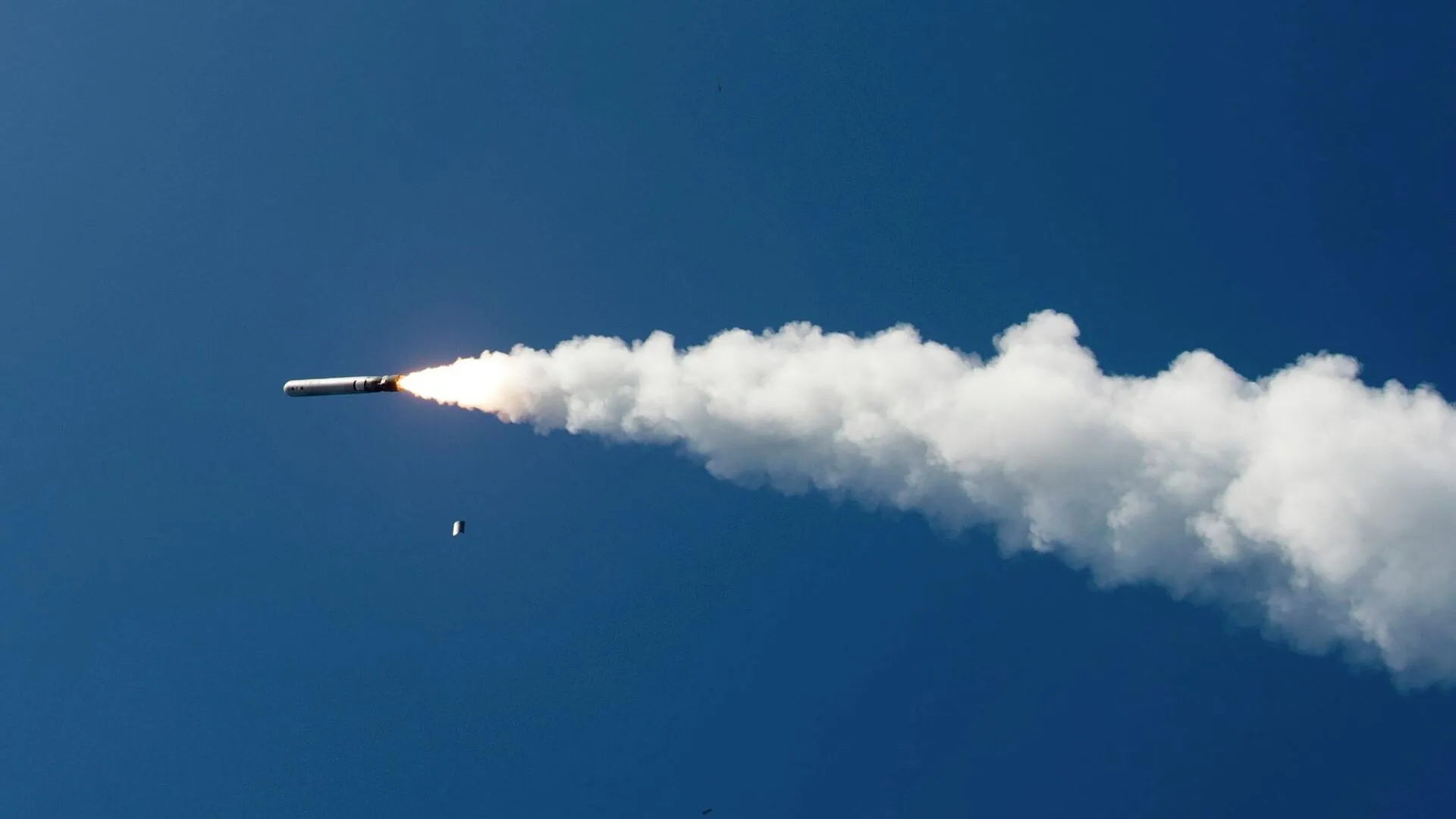
The BGM-109 Tomahawk cruise missiles, which for decades were considered the benchmark for U.S. precision-guided weapons, are increasingly coming under fire due to technical malfunctions.
In conflict zones in Syria, Iraq, and Nigeria, there have been repeated instances where the missiles failed to detonate upon impact or fell short of their targets.
According to Forbes, citing an analysis by technology expert David Gambling, the problem lies in the missiles’ long service life and the specific nature of arsenal upgrades.
Since these missiles have been in service since the 1980s and are purchased in small batches, military stockpiles have accumulated a large number of different variants with varying degrees of wear and tear.
“Tomahawks have been in service since the 1980s and are procured by the U.S. in relatively small batches. This procurement model, combined with active combat use, leads to the accumulation of various missile variants in military arsenals,” the author notes.
One of the main factors sparking debate among military analysts is the extremely high price of each unit of weaponry.
The cost of a single Tomahawk missile, including the launch container, exceeds $2 million, and the expenses for modernization and service life extension only increase this price tag.
The existence of photographic evidence of unexploded missiles in combat zones calls into question the effectiveness of such large-scale investments.
Although official failure statistics remain limited, experts emphasize that any complex weaponry has a certain percentage of technical malfunctions—ranging from launch issues to faulty detonators.
The situation is complicated by the fact that unexploded ordnance can become a source of technological secrets for the enemy.
The discovery of intact missile components in Syria or Iraq allows other countries to study American navigation and guidance systems, creating additional risks to U.S. security.
As a reminder, Trump cited training as the main obstacle to transferring Tomahawk missiles to Ukraine.
Zelenskyy also offered the U.S. “thousands of drones” in exchange for “Tomahawks.”
