$ 44.35 € 51.52 zł 12.16
+16° Kyiv +23° Warsaw +20° Washington

A wave of business nationalization is intensifying in Russia
UA.NEWS 03 June 2026 14:36
A wave of business nationalization is intensifying in Russia

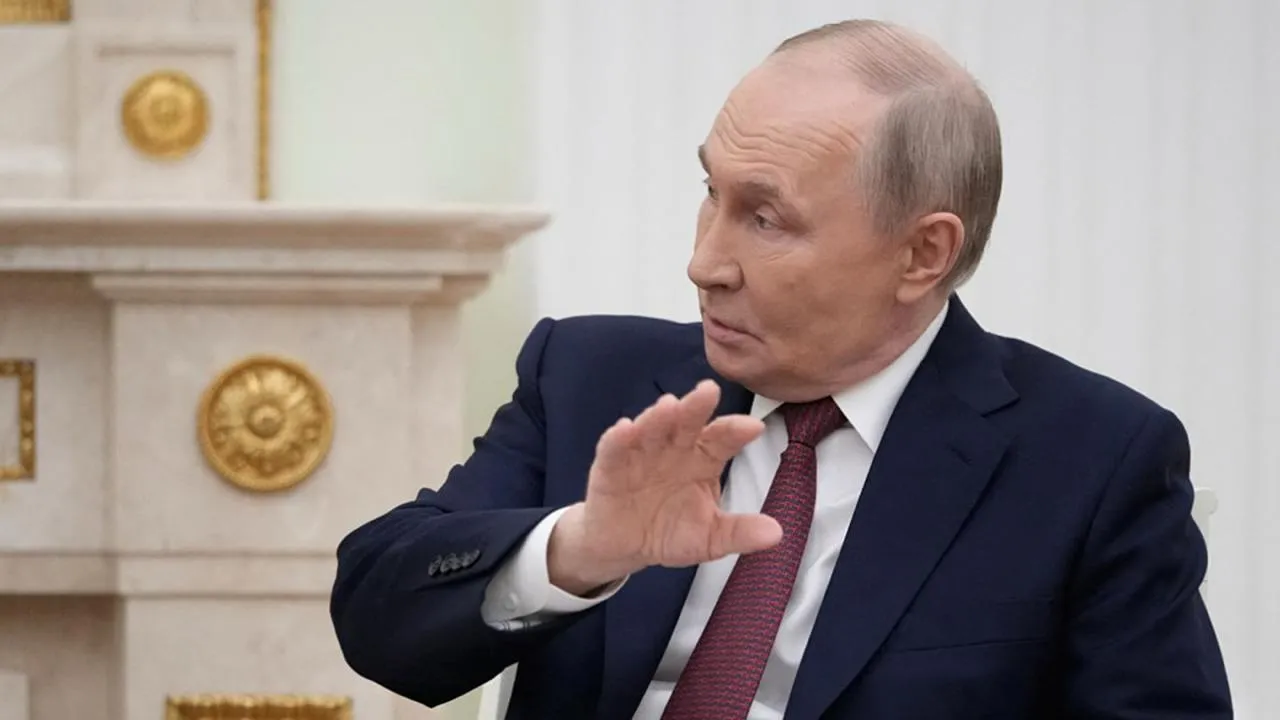
A large-scale wave of nationalization of private assets continues in Russia; far from abating, it is in fact being driven by the Kremlin’s political agenda. One of the most high-profile examples is the case of Vadim Moshkovich, co-owner of the agribusiness Rusagro, from whom the state seized the company he had founded. Against this backdrop, tensions are rising among the Russian business elite, which is increasingly finding itself under attack by the law enforcement system.


 

The situation surrounding Moshkovich has become symbolic of a new phase of property redistribution in Russia, where major business assets are increasingly coming under state control. According to Forbes, he was one of the country’s wealthiest businessmen with a fortune of about $2.9 billion, yet this did not spare him from criminal charges and the loss of his business.

Journalists note that the Moshkovich case is not an exception but fits into a broader trend that has intensified since 2022. According to the law firm “Nektarov, Savelyev & Partners,” over 100 cases related to asset seizures have been opened in Russia, and the total value of confiscated property has exceeded 6.5 trillion rubles, equivalent to approximately $91 billion.

Bloomberg claims that Vladimir Putin has no intention of halting this process, as the state requires ever-increasing financial resources to continue the war against Ukraine. The article notes that some Russian billionaires are attempting to avoid conflict with the authorities or even reach an agreement with them.

In particular, the publication cites the example of Suleiman Kerimov, who, according to Bloomberg’s sources, offered to “donate” about 100 billion rubles to the budget during a closed-door meeting. Following that meeting, as noted, major businessmen collectively transferred about 220 billion rubles in the form of voluntary contributions.

The article also separately mentions the Kremlin’s position. Russian President Vladimir Putin’s press secretary, Dmitry Peskov, acknowledged that some major businessmen did indeed discuss the possibility of significant financial contributions to the budget, but did not elaborate on the circumstances.

Among those mentioned is Vladimir Potanin, who previously held high-ranking government positions, which, according to Bloomberg, could also serve as an argument in legal disputes over assets. Lawyers, meanwhile, emphasize that following the decisions of the Russian Constitutional Court in 2024, the state gained even broader powers to confiscate property if it is deemed to have been acquired in violation of anti-corruption laws.

In fact, as the publication notes, the Russian economic elite finds itself in a situation where the line between private business and state control is becoming increasingly blurred, and the wave of nationalization is turning into one of the key tools of the country’s financial and political system. This is reported by Bloomberg.

Moscow has begun restricting the sale of gasoline to a single buyer by setting limits at gas stations within fuel station networks. Similar restrictions have already been introduced in other Russian regions amid growing pressure on the fuel market.
 

Kremlin leader Vladimir Putin held a meeting with editors of history textbooks, during which he called for a review of their content. According to him, textbooks created before the start of Russia’s full-scale invasion of Ukraine contain “blatant Russophobia,” “distortions of historical facts,” and “false information.”

We previously reported that Russia is preparing for another wave of “editing” school history. Putin himself announced plans to change the content of textbooks, complaining that current books allegedly lack “truthful information.”


Read us on Telegram and Sends

Завантажуй наш додаток