
Russia is predicting a wave of gas station bankruptcies
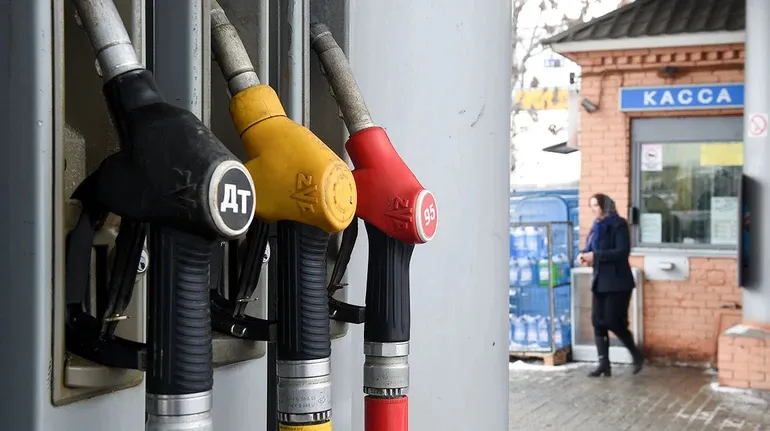
In Russia, domestic gasoline sales are increasingly becoming a loss-making business. The Foreign Intelligence Service of Ukraine predicts that by the end of the year, some gas station chains may go bankrupt, and fuel prices will rise significantly. The main reasons are sanctions, logistics problems, and the priority given to supplying resources to the military. This is reported by the Foreign Intelligence Service of Ukraine.
A serious problem is brewing in Russia’s fuel market. According to the Foreign Intelligence Service of Ukraine, gas station chains have begun to lose profits on a massive scale, and domestic gasoline sales have already become effectively unprofitable for many operators.
The Foreign Intelligence Service reports that Russian gas stations are currently losing an average of 84 kopecks per liter of AI-92 gasoline—the most popular fuel among drivers in Russia.
The situation with AI-95 is slightly better, but profits there are minimal as well. “AI-95 yields a symbolic 47 kopecks in profit per liter, which, given current inflation and the cost of loans, is the economic equivalent of zero,” the intelligence report notes.
Analysts explain that the problem arose not because of a single factor, but due to a whole complex of reasons that have accumulated in recent years. One of the main ones is the Kremlin’s focus on exporting petroleum products, as sales abroad bring in foreign currency. Because of this, the domestic market began to experience a supply shortage.
In addition, the Russian railway is currently overloaded with military shipments. Fuel tankers are delayed, logistics costs are rising, and expenses for gas stations are increasing. “In the pursuit of foreign exchange earnings, the Kremlin is stimulating the export of petroleum products, artificially limiting supply in the domestic market,” the SSU stated. Sanctions have become a separate issue. Russian oil refineries are facing difficulties in sourcing Western parts, equipment, and additives for fuel production.
Because of this, refineries are factoring additional risks into the cost of gasoline as early as the wholesale stage, but gas stations cannot fully pass these costs on to drivers, as the government is curbing sharp price increases through administrative measures.
The situation with diesel fuel remains more or less stable for now. According to SZRU estimates, diesel yields a profit of about 3.68 rubles per liter. But this segment is also under pressure due to massive consumption by the military. “The military consumes diesel on an industrial scale,” analysts note.
The Foreign Intelligence Service predicts that by the end of 2026, Russia may face a wave of bankruptcies among independent gas station chains, especially in the regions. At the same time, experts expect double-digit growth in fuel prices, as it is becoming increasingly difficult to maintain the current system.
As a result, according to the SIS, the Kremlin has found itself in a situation with no easy way out. “The Kremlin faces a choice with no choice: raise gasoline prices and risk social unrest, or continue to bleed the industry dry and head toward a physical shortage at gas stations,” the report states.
Experts add that problems in the fuel market could spill over into other sectors of the economy—from transportation and agriculture to rising prices for goods across the country.
Russia is not using its capabilities against Western satellites due to “informal restrictions,” says Khodakovsky.
Russia’s accusations of alleged Baltic involvement in strikes on Russian territory may be part of Moscow’s preparations for a possible opening of a second front against NATO countries.
Russia has launched large-scale nuclear exercises to demonstrate its strength to Ukraine’s allies, increase pressure on NATO, and divert attention from its own failures on the front lines. This is the conclusion reached by analysts at the Institute for the Study of War (ISW).


