
In Russia, with Putin's approval, United Russia's targets have been adjusted
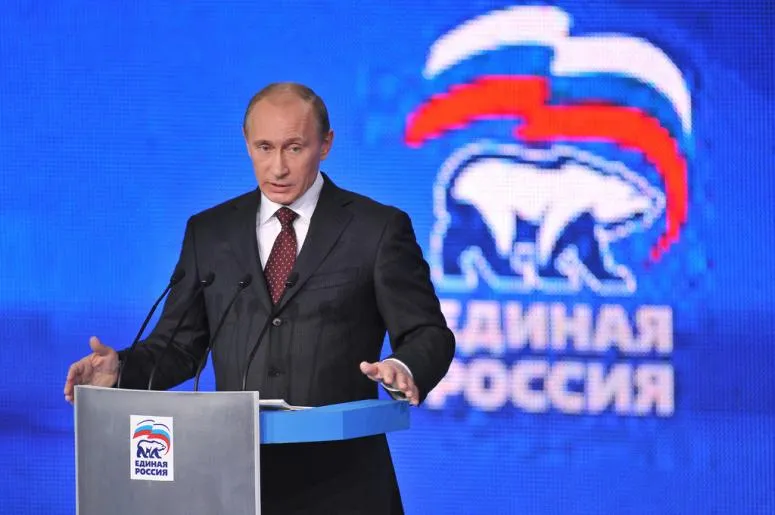
The Office of the President of the Russian Federation has lowered the target voter turnout figures and the projected results for the “United Russia” party in the upcoming State Duma elections. Russian media reported this on June 23, citing sources familiar with domestic political processes.
According to the publication’s sources, the adjustment of the figures is linked to the ruling party’s declining approval ratings and the need to ensure the “legitimacy” of the electoral process. At the same time, the strategic goal remains the same—United Russia must retain a constitutional majority in parliament, meaning more than 300 of the 450 seats.
It is expected that, based on the results of voting in single-member districts, the party’s representatives could win between 190 and 210 seats. According to sources, the result based on party lists may fall below 50%, but the overall total should still exceed the 300-seat mark in the State Duma.
By comparison, in the 2021 elections, “United Russia” received 49.82% of the vote via party lists and won 198 of 225 single-member districts, forming a faction of 324 deputies.
Earlier, the Russian presidential administration had provided the regions with general guidelines for the election results, specifically a turnout of about 50% and up to 55% of the vote for “United Russia.” Now, according to sources, no uniform nationwide targets have been announced, which is attributed to fluctuations in electoral ratings.
Despite this, the turnout target remains at around 50%, as this figure is considered a key indicator of electoral legitimacy in Russian political practice.
According to the VTsIOM, United Russia’s approval rating had been declining since the beginning of the year and stood at 27.7% at the end of April; however, in June, following a change in polling methodology, it rose to 32%.
At the same time, it is reported that the party has not yet presented a comprehensive election platform and plans to involve citizens in its development. Additionally, against the backdrop of a budget deficit, a reduction in campaign funding is expected. According to sources, administrative resources may be used to boost voter turnout, including mobilizing government employees and distributing food packages and other campaign materials.
Read also:
On the night of June 20, the Ukrainian Defense Forces struck a number of Russian military targets. Among the targets was a bridge near Henichesk, which the occupiers use to transport equipment and resupply their troops between occupied Crimea and the southern front.
In Taganrog, Russia, a power substation that supplied electricity to the “Atlant-Aero” defense enterprise was damaged. As a result, production lines involved in the manufacture of drones were disrupted.


