
Singapore layoffs rise to highest level since 2020 — Channel NewsAsia
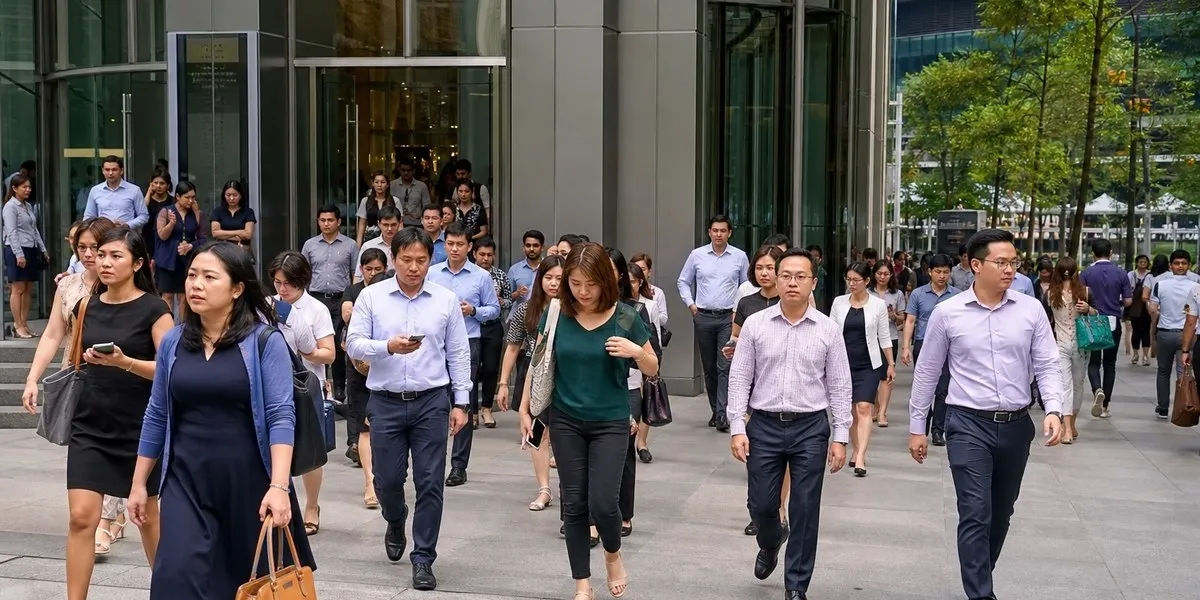
In Singapore, 4,620 workers were retrenched in the second quarter of 2026, the highest figure since the fourth quarter of 2020. The retrenchment rate was 2 per 1,000 employees, compared with 1.6 in the previous quarter, Channel NewsAsia reports, citing Singapore’s Ministry of Manpower.
The ministry said the increase in retrenchments was linked to business reorganisation and restructuring in outward-oriented industries: manufacturing, the information and communications sector, and financial services.
Fewer job vacancies
Total employment increased by 11,400 people in April–June, exceeding the increase of 9,400 in the first quarter. At the same time, employment growth among Singapore residents slowed from 5,400 to 2,200 people. Employment growth among non-residents was driven mainly by work permit holders in construction and manufacturing.
The number of job vacancies fell to 68,600 in June from 73,300 in March. The decline primarily affected vacancies for professionals, managers, executives and technicians in the financial and information and communications sectors. Despite this, the labour market remained relatively tight, with 1.48 vacancies per unemployed person.
More current news is available on the UA.News Telegram channel Telegram.
The unemployment rate remained low: 1.9% overall, 2.9% among residents and 3% among Singapore citizens. The share of people who had been without work for at least six months was 1% in June, compared with 0.9% in March.
Finding work after retrenchment became more difficult
The share of retrenched workers who returned to work within six months fell to 54.9% from 60.7% a quarter earlier. The rate of returning to work within 12 months remained stable at 69.8%.
The ministry separately drew attention to the situation among residents aged 50 and over. Among people aged 50 to 59, unemployment rose to 3.1% in June from 2.9% in March, while among those aged 60 and over it increased to 2.2% from 1.8%. The highest retrenchment rate was recorded among workers aged 50 to 59, at 3.6 per thousand residents.
At the same time, a business survey showed cautiously positive expectations. In July, 48.7% of companies planned to hire workers over the next three months, compared with 43.9% in June. The share of employers planning to raise wages fell from 29.3% to 27.9%.


