
ISIS-K member sentenced to 20 years in prison in the US — CBS News
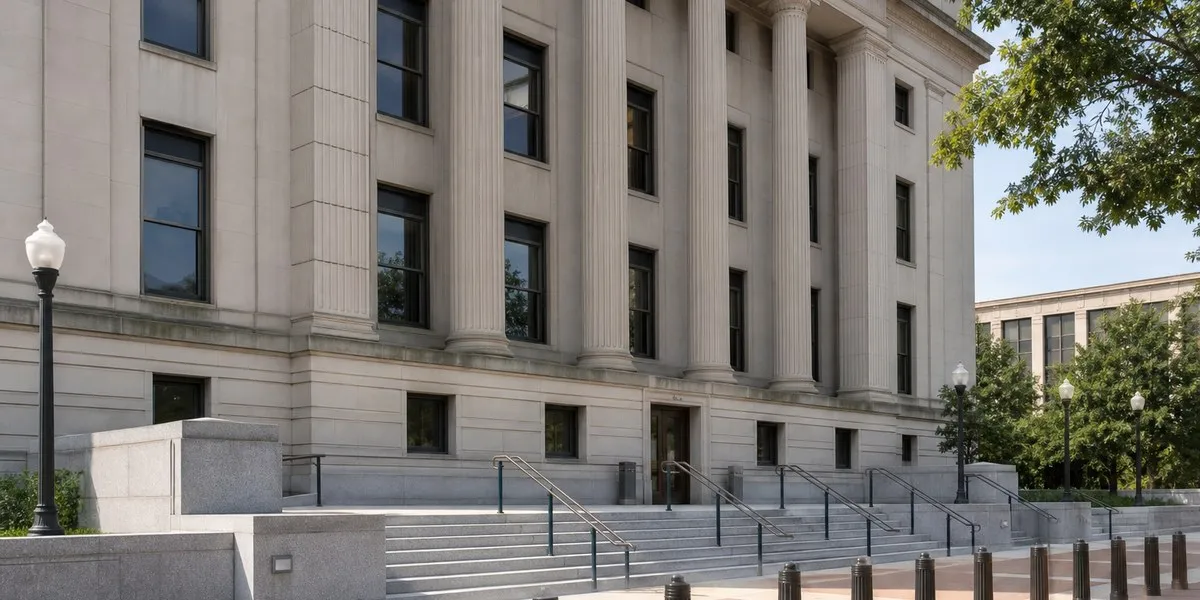
A federal court in Virginia, United States, sentenced 28-year-old Mohammad Sharifullah to 20 years in prison for providing material support to ISIS-K, the Afghan branch of the Islamic State group. This is the maximum sentence on the sole count in the international terrorism case, CBS News reports.
In April, a jury found Sharifullah guilty of providing material support to ISIS-K. However, it did not reach a unanimous conclusion on whether this conspiracy resulted in deaths during the bombing near the Abbey Gate entrance at Kabul airport on August 26, 2021. Had the answer to this question been affirmative, he could have faced life imprisonment.
The prosecution’s case
According to prosecutors, before the attack Sharifullah checked the route to Hamid Karzai International Airport to identify Taliban checkpoints and informed ISIS-K leadership that the road was clear. Several hours later, ISIS-K militant Abdul Rahman al-Logari detonated an improvised explosive device near the Abbey Gate entrance.
More current news is available on the UA.News Telegram channel Telegram.
The explosion occurred during an evacuation operation conducted by the US military at the airport during the withdrawal of US troops from Afghanistan. The attack killed 13 US service members and about 160 Afghans. Prosecutors also said that Sharifullah helped in dozens of other ISIS-K attacks, including by providing surveillance, transporting suicide bombers or weapons, and communicating with attackers.
The defense’s position
Sharifullah did not testify at trial and declined to speak before sentencing. Judge Anthony Trenga called him a committed terrorist who, according to the judge, showed no remorse for the grief and suffering he caused.
The defense requested a 17-year prison sentence and insisted that Sharifullah was not an ISIS-K leader. His lawyers said prosecutors presented no evidence of his involvement in the Kabul bombing other than his own statements during hours-long FBI interrogations. They also argued that he may have said what he thought the agents wanted to hear because he feared torture while being held in Pakistan. Sharifullah was detained in early 2025 by Pakistani intelligence and the CIA near the border with Afghanistan, after which he was extradited to the United States.


