
Texas executes Norman, while Georgia halts execution — The Guardian
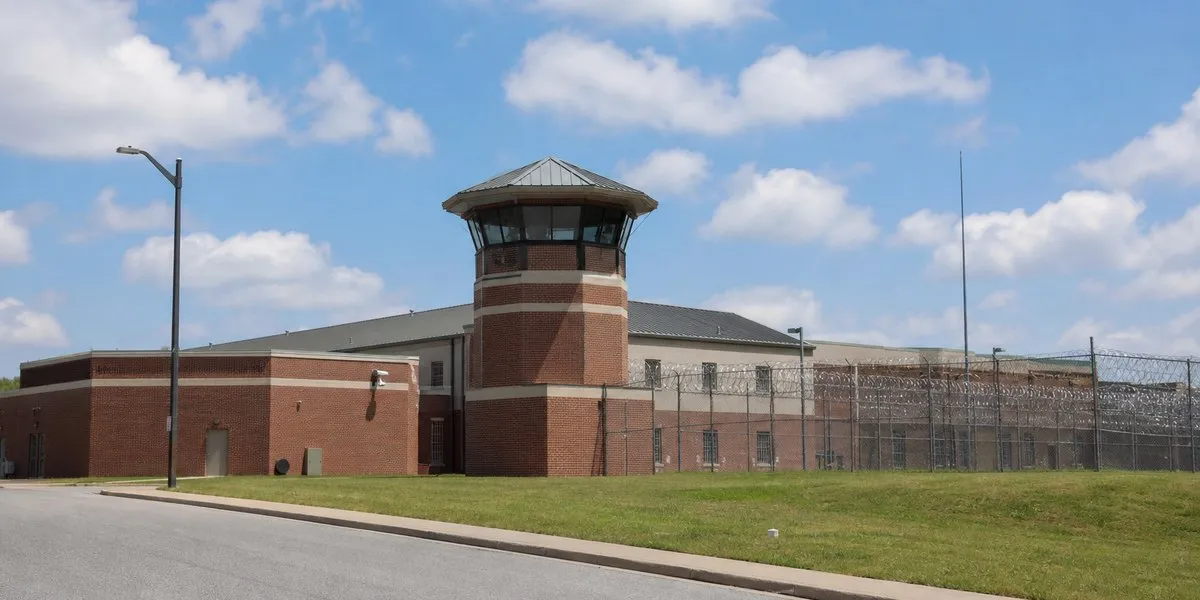
In the United States, the state of Texas executed 40-year-old LeJames Norman on September 16. He had been sentenced to death for the 2005 killing of three people. The sentence was carried out by lethal injection of pentobarbital at the state penitentiary in Huntsville. This was the fifth execution in Texas since the beginning of the year, The Guardian reports.
Norman's case
Norman was convicted over the deaths of Samuel Roberts, Tiffany Peacock, and Celso Lopez in the city of Edna, about 161 km southwest of Houston. According to court records, Norman and Kershawn Ramey believed there was cocaine in the house and planned to steal it, but found no drugs.
Norman was detained about five months after the crime while attempting to return to the United States from Mexico. He pleaded guilty to capital murder, and the jury determined his sentence. Ramey was also sentenced to death; his execution is scheduled for next week.
The Texas Board of Pardons and Paroles refused to commute Norman's sentence or recommend a 90-day reprieve. The Texas Court of Criminal Appeals also rejected the defense's request to halt the execution. Norman's lawyers asked the U.S. Supreme Court to review that decision.
More current news is available on the UA.News Telegram channel Telegram.
Georgia execution postponed
On the same day, the state of Georgia was set to execute 53-year-old Stacy Humphreys, who was convicted of the 2003 murders of Cindy Williams and Lori Brown. However, a judge halted the execution late in the evening on September 15.
Humphreys' defense filed a motion for a new sentencing hearing under a new state law. It allows victims of violence to seek a review and possible reduction of their sentence if they can link their crime to violence they experienced. State authorities appealed the stay, but the Georgia Supreme Court declined to consider the appeal before the scheduled execution time and left the lower court's order in effect.
Humphreys' lawyers also argued that a biased juror may have influenced the verdict by allegedly concealing information during jury selection and pressuring other jurors. Courts had previously rejected these arguments on procedural grounds. The Georgia Board of Pardons and Paroles denied Humphreys clemency on September 15.




