
A second US judge blocks Trump’s restrictions on mail-in voting — Daily Maverick
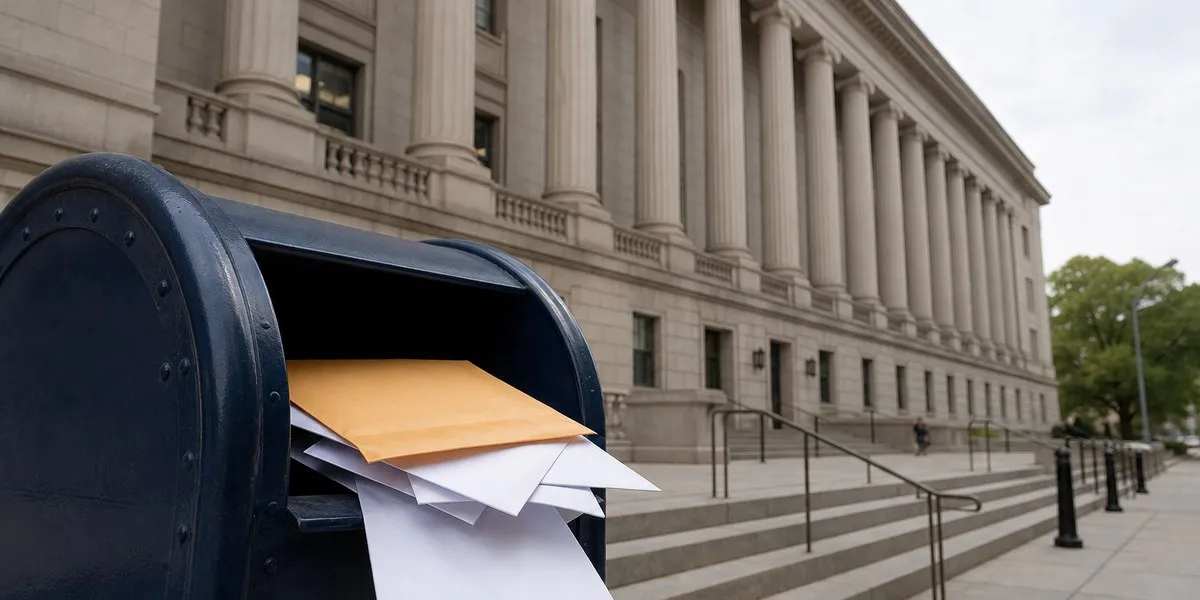
US District Judge Carl Nichols in Washington temporarily blocked the introduction of a new US Postal Service rule that tightened requirements for mail-in voting. The judge granted the Democratic Party’s request for a preliminary injunction, Daily Maverick reports.
Nichols, whom President Donald Trump appointed as a judge during his first term in the White House, concluded that the rule could have made it harder for some people to vote by mail. He also noted that the new regulation exceeded the US Postal Service’s authority.
In his ruling, the judge said that no law grants the Postal Service the authority to introduce key provisions of this rule. The US Department of Justice and the Postal Service did not provide immediate comments on the ruling.
Second court injunction
This is already the second court ruling against the rule. On September 4, US District Judge Indira Talwani in Boston blocked it at the request of Democrat-led states and voting rights groups.
The administration asked the US Supreme Court to suspend Talwani’s ruling so that the Postal Service could apply the new requirements. Therefore, the final decision on whether the restrictions can be introduced will likely depend on the country’s highest court.
More current news is available on the UA.News Telegram channel Telegram.
What requirements the rule contained
The rule provided that states must submit to the Postal Service lists of voters who may receive ballots by mail. Envelopes used to send and return ballots would also have to contain unique barcodes.
The Postal Service could refuse to deliver ballots to voters who are not on such lists, as well as in states that do not comply with the new standards. Democrats said this creates a risk of disenfranchising voters who are eligible to vote.
Justice Department lawyers representing the administration denied that the Postal Service was seeking to take control over the administration of federal elections. In their view, states would retain control over determining who is eligible to vote.
All 50 US states allow some form of mail-in voting. In 29 states, voters can request that a ballot be sent to them without giving a reason, while eight states conduct elections entirely by mail.


