
Interaction with Neighbors Has Declined in the U.S., Study Finds
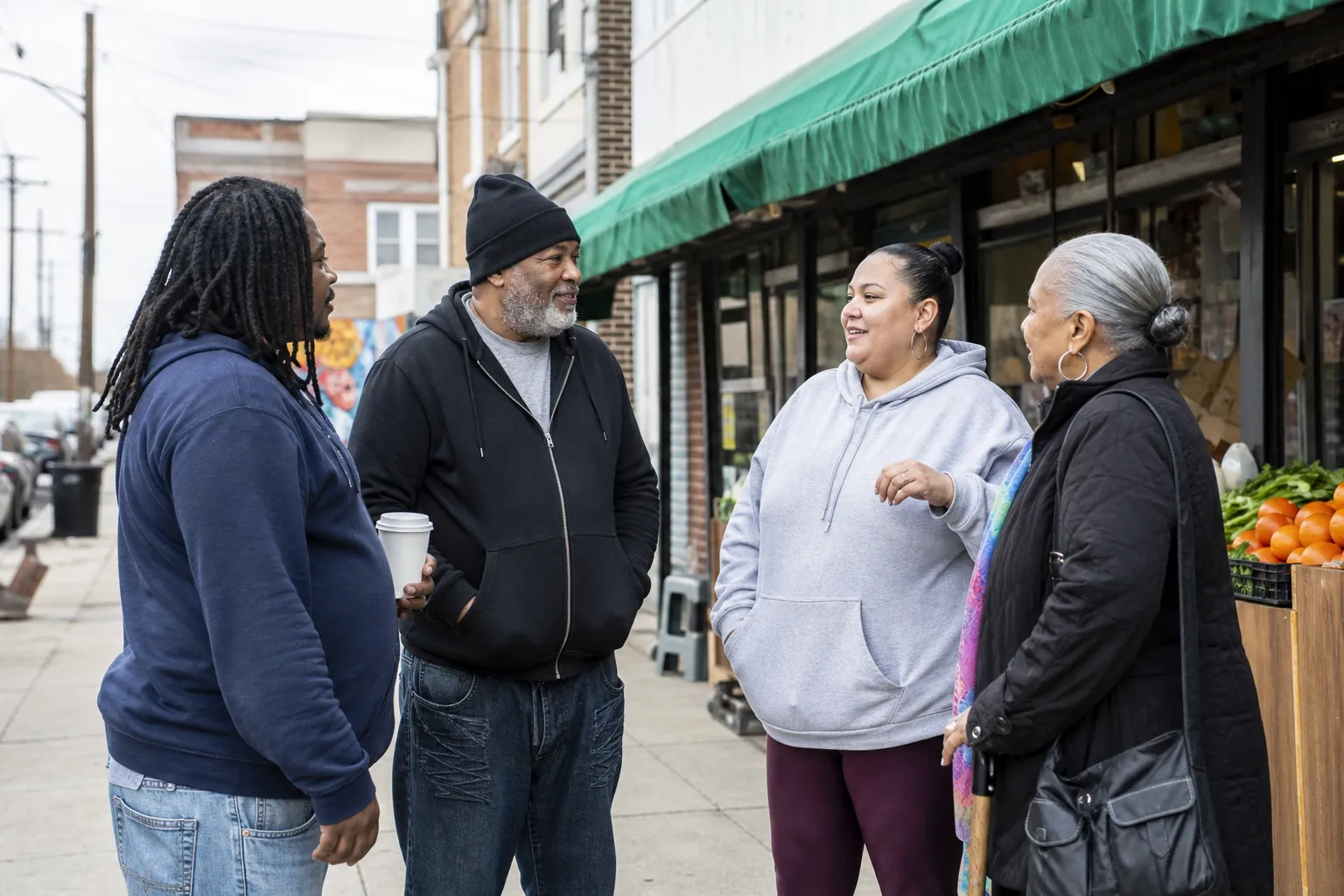
Only 40% of Americans currently interact regularly with their neighbors, whereas in 2012, nearly six out of ten said they did. Fortune reports this, citing the Survey Center on American Life’s report “Strangers Next Door.”
The sharpest decline in regular contact was observed among young adults: in just over a decade, their share has fallen from 51% to about one in four. Among older Americans, 56% talk to their neighbors every week—that’s seven percentage points less than before.
The report’s author, Daniel Cox, director of the Survey Center on American Life at the American Enterprise Institute, attributes this trend in part to fears of being filmed and shared online out of context. According to him, young people may avoid public interactions out of fear of looking foolish or making a mistake that could be captured on a smartphone.
Read more breaking news on the UA.News Telegram channel.
The report also showed that young Americans are less likely to turn to their neighbors for help. Sixty percent of older adults would be willing to leave a spare key with a neighbor, compared to only 36% of young adults. Fewer than four in ten parents without a college degree would feel comfortable asking a neighbor to watch their child in an emergency.
Cox cited the proliferation of services that replace everyday interactions—such as ordering goods and food, hailing a taxi via apps, or pre-ordering coffee—as one of the factors driving this trend. In his view, such services reduce the number of casual conversations and change people’s perceptions of whether it is appropriate to ask others for a favor.
Nearly two-thirds of those surveyed believe that being a good neighbor means not interfering in others’ affairs, rather than offering help without being asked. At the same time, people who walk or run around their neighborhood at least once a week are significantly more likely to talk to their neighbors on a regular basis. Cox also linked social contact to the availability of places for daily gatherings and the ability to get around the neighborhood on foot.


