
US calls on Australia to demand transparency from data centres
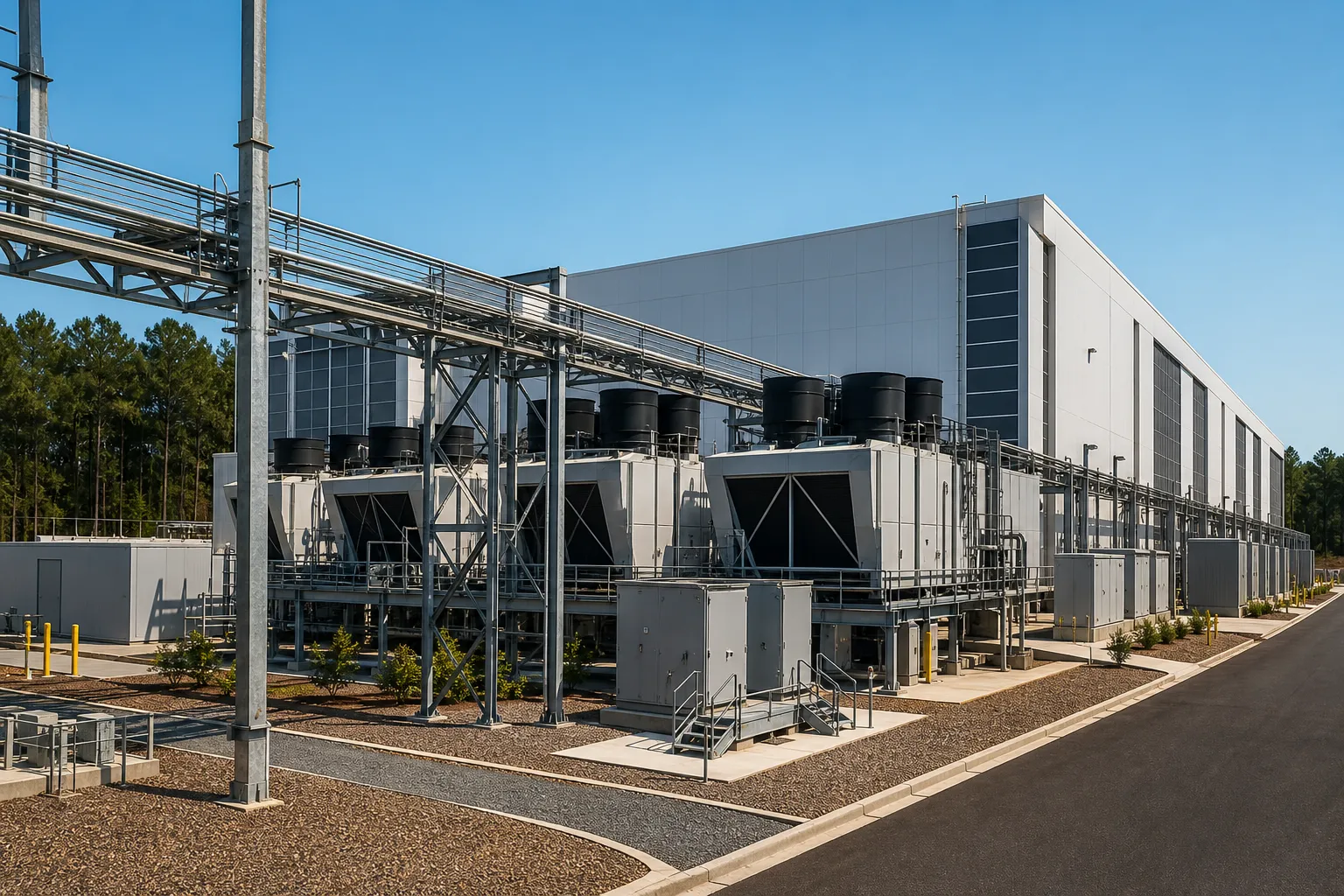
Residents and researchers in the United States have called on Australia to take US experience into account as it expands its network of data centres and to demand greater transparency from companies regarding resource consumption and impacts on communities. As ABC News Australia reports, these warnings come amid expected growth of the sector in Australia.
Protests in North Carolina
In June, hundreds of people gathered outside the courthouse in Durham, North Carolina, to oppose a proposed 18% increase in electricity rates. Protesters link the potential rise in bills to the need to build energy infrastructure for data centres that have not yet been built.
Private energy company Duke Energy submitted an application for a price increase to the state utilities commission. A final decision on the rates has not yet been made. Science teacher Carl Hines said that residents are already feeling the impact of planned data centres through the anticipated increase in demand for electricity generation.
About 90 data centres operate in North Carolina. Until tax breaks were repealed in July, companies in the sector did not pay tax on the electricity they used — this was an incentive to attract investment. Lynn Taylor, who lives in Charlotte, voiced concerns about the possible use of agricultural land, noise, health effects and environmental consequences. According to the Data Center Map service, there are about 35 data centres in Charlotte.
More current news is available on the UA.News Telegram channel Telegram.
Australian market
According to the Australian Energy Market Operator, 165 data centres are operating in the country, while another 225 are under development. The operator estimates that by 2036, data centres will account for 13% of Australia’s total electricity consumption.
Eric Masanet, a professor at the University of California, Santa Barbara, noted that in the United States, companies often do not disclose to communities data on water use, potential air pollution and other operational parameters of facilities. In his view, Australia can use this experience to regulate the sector by combining strict requirements for companies with investment in renewable energy.
Simon Currie, founder of energy strategy company Energy Estate, believes that data centres should be located near reliable sources of electricity supply. He also proposed linking their development to the construction of renewable generation facilities and using heat produced by data centres for other industries.


