
Traces of human habitation dating back 86,000 years have been discovered in Turkey
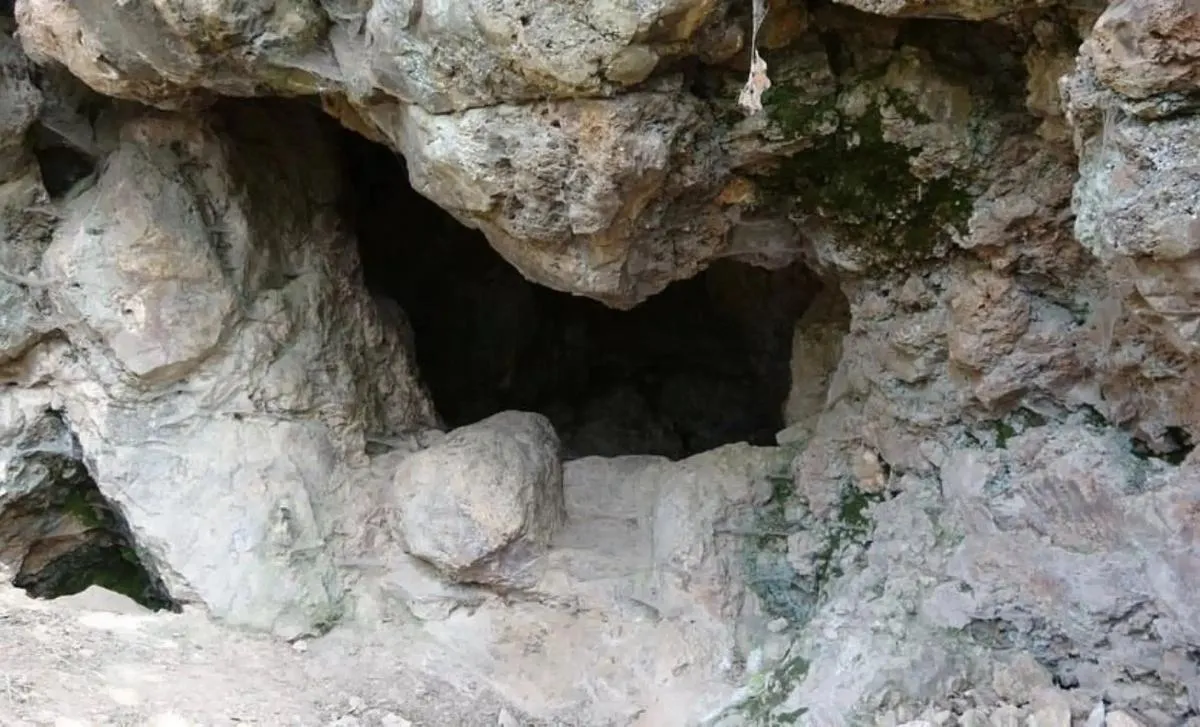
Archaeologists have discovered evidence of human habitation dating back approximately 86,000 years in the Inkay Cave in northwestern Turkey. Along with this evidence, researchers found hundreds of flint tools that help shed light on the lives of people during the Middle Paleolithic period.
The Inkaya Cave is located near the village of Bahadirlı in the province of Çanakkale. It was first discovered in 2016 during archaeological surveys, and systematic excavations have been ongoing there for the past six years.
According to the head of the research, Professor Ismail Ozer of Ankara University, the findings indicate that the territory of the modern province of Çanakkale played a much more significant role during the Paleolithic period than previously thought. The cave also helps shed light on the migration routes of ancient people between Anatolia and the Balkans.
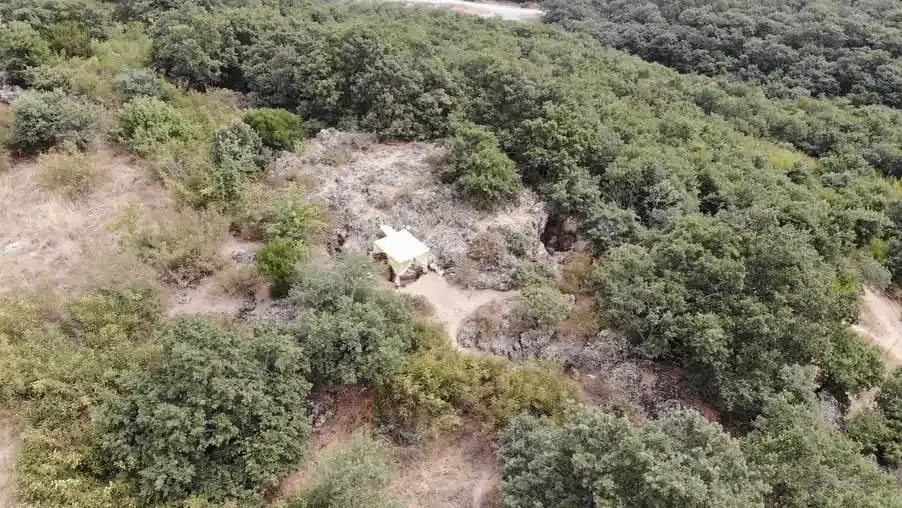
During the latest phase of excavations, a team of 20 specialists discovered the oldest dated traces of human presence. Researchers suggest that the cave served not only as a temporary shelter but also as a place of longer-term habitation, thanks to its flint deposits and access to water.
Among the most valuable finds are hundreds of flint artifacts of various shapes and sizes. In particular, archaeologists discovered a serrated tool that may have functioned like a modern saw, as well as tools that were likely attached to wooden, bone, or horn handles using resin.

Scientists believe these tools were used for processing animal hides, digging the soil, and other household tasks. In the future, they plan to examine them under a microscope to determine the exact purpose of each object more precisely.
At the same time, archaeologists have not yet found any human bones, animal remains, or plant material. As a result, the stone artifacts currently remain the primary source of information about the lives of the people who inhabited the cave tens of thousands of years ago.
This was reported by Daily Galaxy.
As a reminder, off the coast of Ecuador, scientists have spotted a rare smooth-headed hammerhead shark (Sphyrna zygaena) in the Galápagos Islands for the first time in over 20 years. Researchers suggest that the archipelago may be an important breeding ground for this little-studied species, which is threatened with extinction.
In Pennsylvania (U.S.), a rare two-headed gecko hatchling was born and named Simon and Garfunkel. Although animals with this anomaly usually do not live long, the baby has been thriving for over a month.


