
Victoria has begun vaccinating penguins due to the spread of bird flu
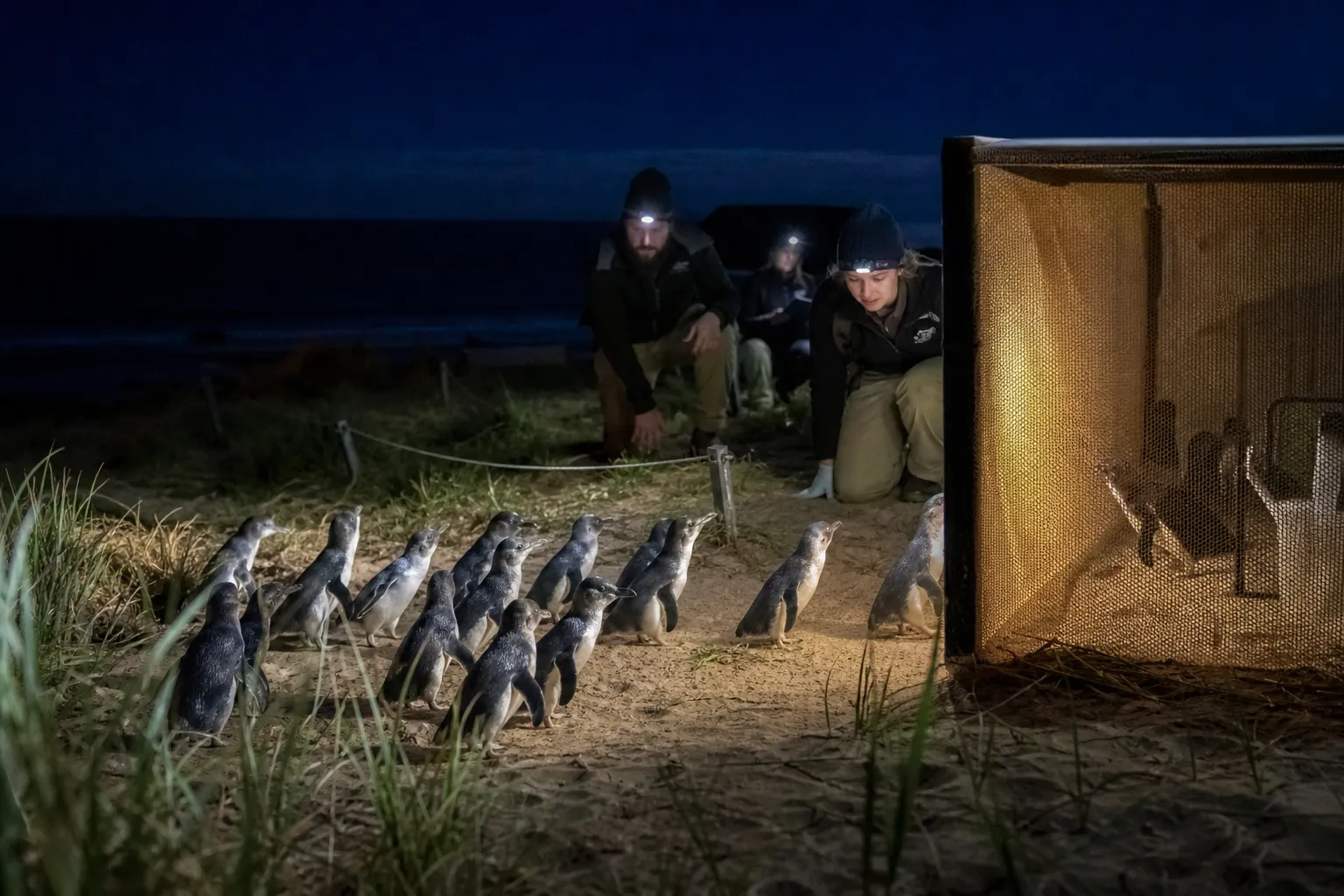
Wildlife conservation agencies in the Australian state of Victoria have launched a program to vaccinate little penguins against the H5 strain of avian influenza. Over the next few weeks, experts plan to capture and vaccinate more than 5,000 birds in colonies on Philip Island and St. Kilda, according to ABC News Australia.
The virus, first detected in southwestern Victoria about two and a half weeks ago, has spread to Philip Island. On the eve of the vaccination campaign, the death of a little penguin from the virus was confirmed. The bird was found in a different part of the island, away from the site of the nightly tourist penguin watch.
The colony on Phillip Island numbers up to 40,000 birds and is one of the largest in the world. A state government study released in May 2025 modeled the risks of H5N1 to this population and predicted that, in a worst-case scenario, between 8,000 and 16,000 penguins could die. Little penguins are vulnerable to the spread of infection because they nest and gather in large groups.
For more breaking news, follow the UA.News Telegram channel.
Victoria’s Chief Biodiversity Officer, James Todd, stated that operations will be conducted at night. When the penguins return from the sea, they will be directed to a special area where they will receive their first dose of the vaccine and be microchipped, after which the birds will be able to return to their burrows. The number of staff will be limited to reduce biosafety risks to both people and animals.
According to Todd, vaccinating wild animals is complicated by the need for two doses of the vaccine, which is usually impractical or impossible. Priority will be given to penguins participating in the tourist “penguin parade”: they are accustomed to people and have predictable movement patterns. The nightly shows for visitors will continue for now.
Jack Gough, a representative of the Invasive Species Council, called Philip Island likely the best-prepared location in Australia, but noted that vaccination should have begun earlier. Todd emphasized that the detection of the virus in the little penguin is cause for concern, but experts advise continuing the vaccination program as quickly and safely as possible. Officials are also considering expanding the program to include vulnerable animal species in captivity.




