
The remains of a giant dinosaur have been discovered in Argentina
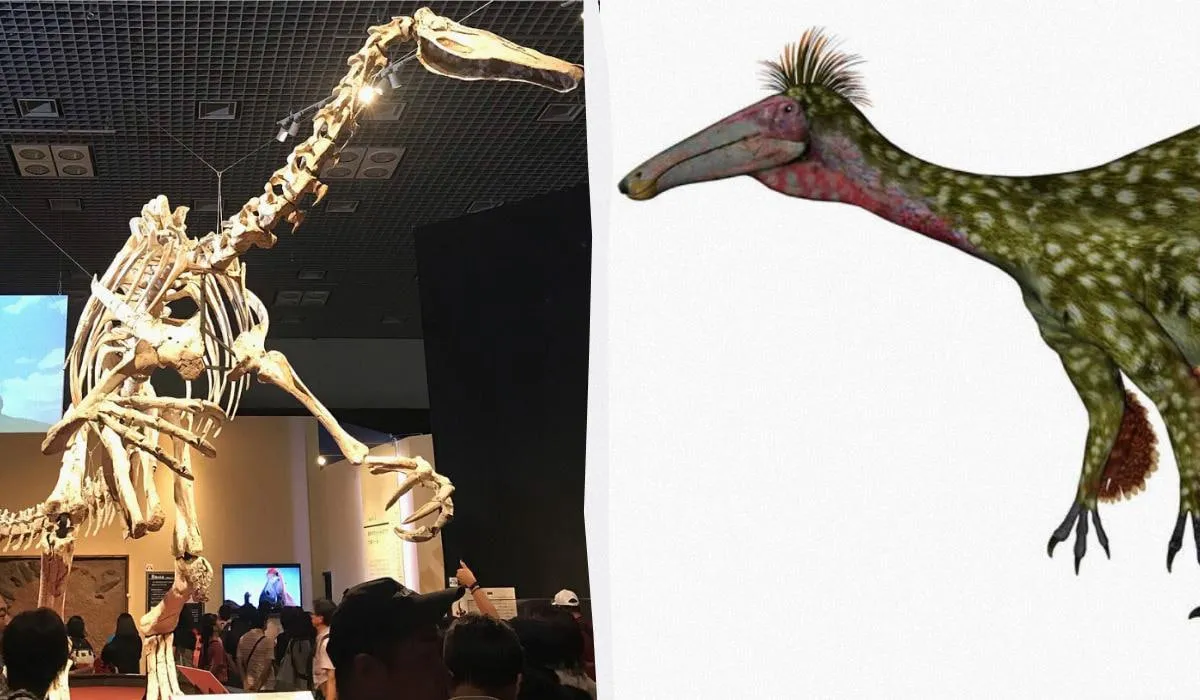
In Argentina, a shepherd stumbled upon the remains of a giant dinosaur estimated to be about 155 million years old. According to scientists, this new discovery will provide a better understanding of the evolution of these animals in the Southern Hemisphere.
Spiegel reports on this.
The discovery involves a previously unknown long-necked dinosaur, which has been named Bicharracosaurus dionidei.
According to estimates by a German-Argentine team of scientists, it could have been about 20 meters long.
It is explained that the dinosaur was named after the shepherd Dionide Mesa, who discovered the remains. The genus name derives from the Spanish word bicharraco, meaning "large animal." Currently, the fossil remains are housed at the Egidio Ferullo Paleontological Museum.
In particular, parts of the spine with over 30 cervical, thoracic, and caudal vertebrae, several ribs, and a fragment of the pelvis were discovered. The structure of the bones indicates that this was an adult specimen that lived on the ancient southern continent of Gondwana. The skeleton shares features with the African Giraffatitan—a brachiosaurid from Tanzania. At the same time, certain characteristics, particularly the structure of the vertebrae, resemble Diplodocus and its North American relatives.
"Long-necked dinosaurs—sauropods—with massive bodies, long necks and tails, and small heads embody the typical image of a dinosaur for many people. It is to this group that the largest land animals in history belong, whose length could reach up to 40 meters; among the most famous are Diplodocus and Brachiosaurus," the article states.
According to the study’s author, Alexandra Reutter, a doctoral student at Ludwig Maximilian University of Munich, evolutionary analysis shows that this creature was related to brachiosaurids—and this may be the first discovery of such Jurassic-period dinosaurs in South America.
Study leader Oliver Rauchut emphasized that the discovery is of great significance to science. Until now, knowledge of the evolution of Late Jurassic sauropods has been based primarily on finds from the Northern Hemisphere, while in the South there has long been only one significant site—in Tanzania. The new discovery site in the Argentine province of Chubut allows for a significant expansion of our understanding of the evolution of these animals in the Southern Hemisphere.
Dinosaursweren’t exactly like lizards: scientists have revealed what their skin was like.
As a reminder, the oldest wooden tools were found in Greece.
Additionally, during excavations, archaeologists discovered artifacts from the time of Kievan Rus.


