
In Australia, neuroscientist warns of AI risks for learning — ABC News Australia
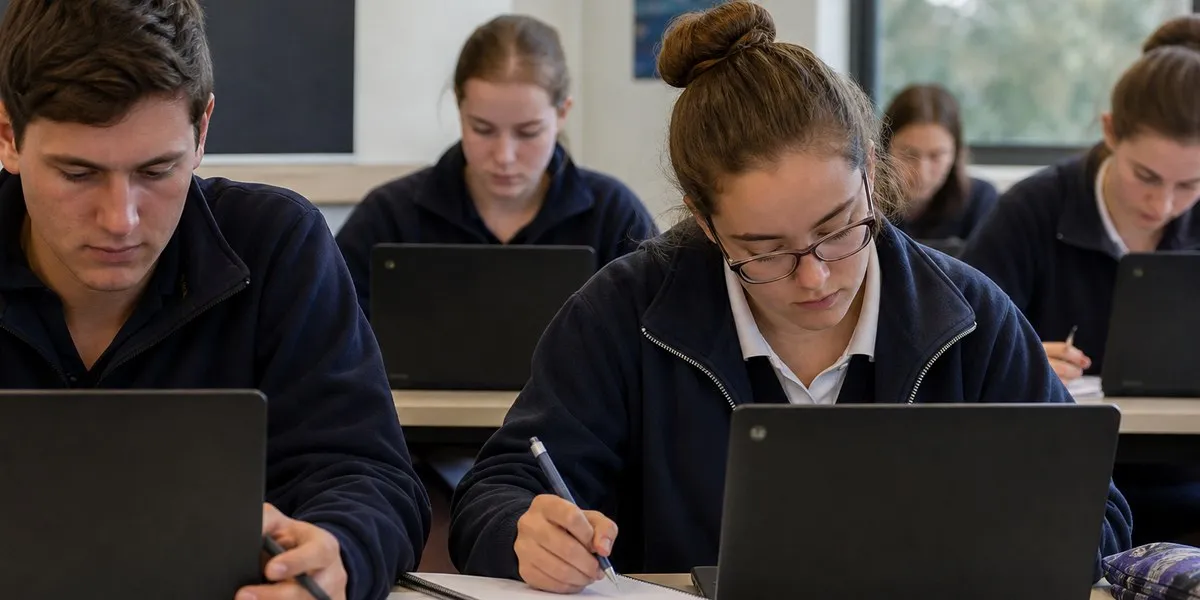
In Australia, neuroscientist James Vickers warned that delegating complex mental work to artificial intelligence could weaken the development of deep-thinking skills. As ABC News Australia reports, he referred to a study of more than 26,000 students in grades 7–12 in China that examined the impact of generative AI on homework and learning.
The study found that using AI increased homework grades by 18% and improved the time-to-complete indicator by 30%. At the same time, monthly exam results fell by 20% over six months.
Cognitive reserve and learning
According to Vickers, learning and deep reflection physically change the brain by forming new connections between neurons. Matt Kirkcaldie, a senior lecturer in neuroscience at the University of Tasmania, explained that the brain increases in weight almost fourfold from birth to adulthood without adding new neurons, thanks to physical changes associated with learning.
More current news is available on the UA.News Telegram channel Telegram.
Critical thinking, learning and other cognitive tasks form strong neural networks over time, which underpin cognitive reserve. Vickers noted that it helps the brain withstand the negative consequences of stroke, traumatic brain injuries, multiple sclerosis and dementia. Kirkcaldie added that students may read and understand AI-generated text but not independently go through the process of working through ideas and connecting them to the bigger picture.
How students use AI
According to Australia’s eSafety Commissioner, 78% of children in Australia have used an AI assistant. The report also states that 91% used such tools for learning or translation, 70% for writing or editing texts, and 68% for entertainment.
Some students use AI to create practice tests or explain difficult topics. Lacey Tillyard of Guilford Young College in Hobart said that some of her classes, including psychology, have a strict ban on AI use. Professor Katie Mills of Australian Catholic University said that students and teachers need tools that not only provide answers but also guide learning. She added that homework will be more difficult to use to assess what a student can do without AI support.


