
In Ecuador, Conquista 2 crew released without charges after US-Ecuador operation
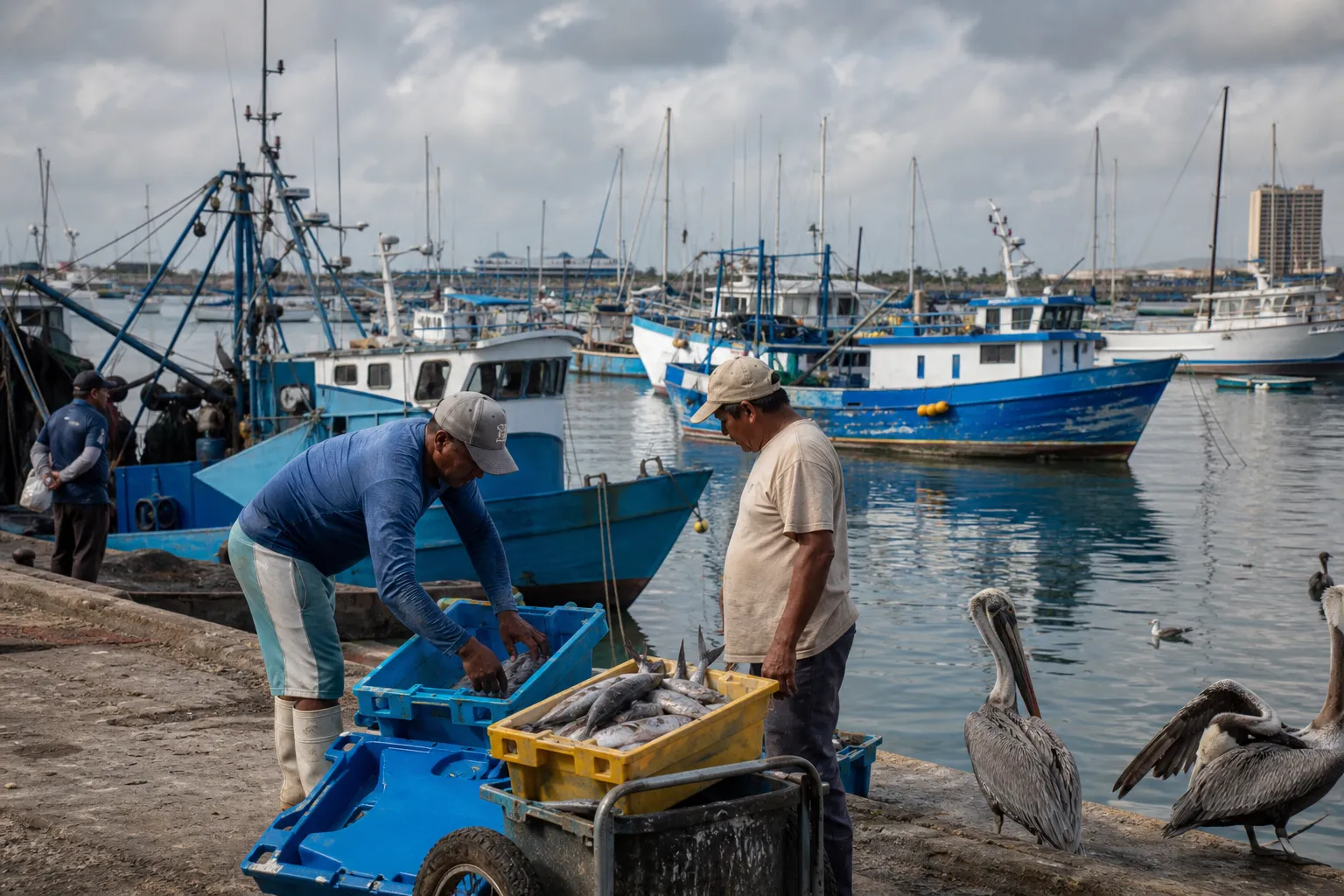
In the city of Manta, Ecuador, crew members of the fishing vessel Conquista 2, detained during a joint US-Ecuador anti-drug operation in the Pacific Ocean, were released without criminal charges. As The Japan Times reports, the vessel was sunk during the operation.
Eduardo Olgin, a 41-year-old fisherman who was aboard Conquista 2, said that he and the other crew members were not involved in drug trafficking. According to him, a speedboat carrying military personnel approached the vessel, and they pointed weapons at the fishermen.
Detention of the crew
Olgin said the crew members were transferred to a patrol vessel and their boat was blown up. He also claimed that there was an interpreter and people he called “gringos” aboard the patrol vessel, after which he was put in a hood and headphones.
According to the fisherman, those detained were given food, but did not want to eat because of what they had experienced. Later, the crew was handed over to the Ecuadorian Navy, which took the fishermen to Manta, the country’s main fishing port in the southwest. After arriving on land, they were taken to a police station and released without charges the following day.
More current news is available on the UA.News Telegram channel Telegram.
Juan Carlos Posligua, a 44-year-old crew member, said the fishermen had not engaged in illegal activity. He said that after the detention, he did not sleep or eat for three days.
Anti-drug operations
Since August 28, four Ecuadorian vessels have been destroyed during joint US-Ecuador anti-drug operations in the Pacific Ocean. US Southern Command said that Conquista 2 was used to support drug trafficking by the Ecuadorian criminal group Los Choneros.
The operations are taking place following the publication of a Human Rights Watch report. The organization said that at least eight people went missing after US forces attacked three Ecuadorian vessels between January and March this year. Washington denies involvement in these disappearances.
Olgin and Posligua said they were unsure whether they would return to fishing. At the same time, Olgin noted that due to a lack of work, they would likely be forced to go back to sea.


